

By Nkechi Eze
China is set to commence full implementation of a zero-tariff policy for African countries with diplomatic relations from May 1, 2026, in a landmark move expected to significantly reshape trade dynamics and deepen economic cooperation between Nigeria and the Asian economic powerhouse.
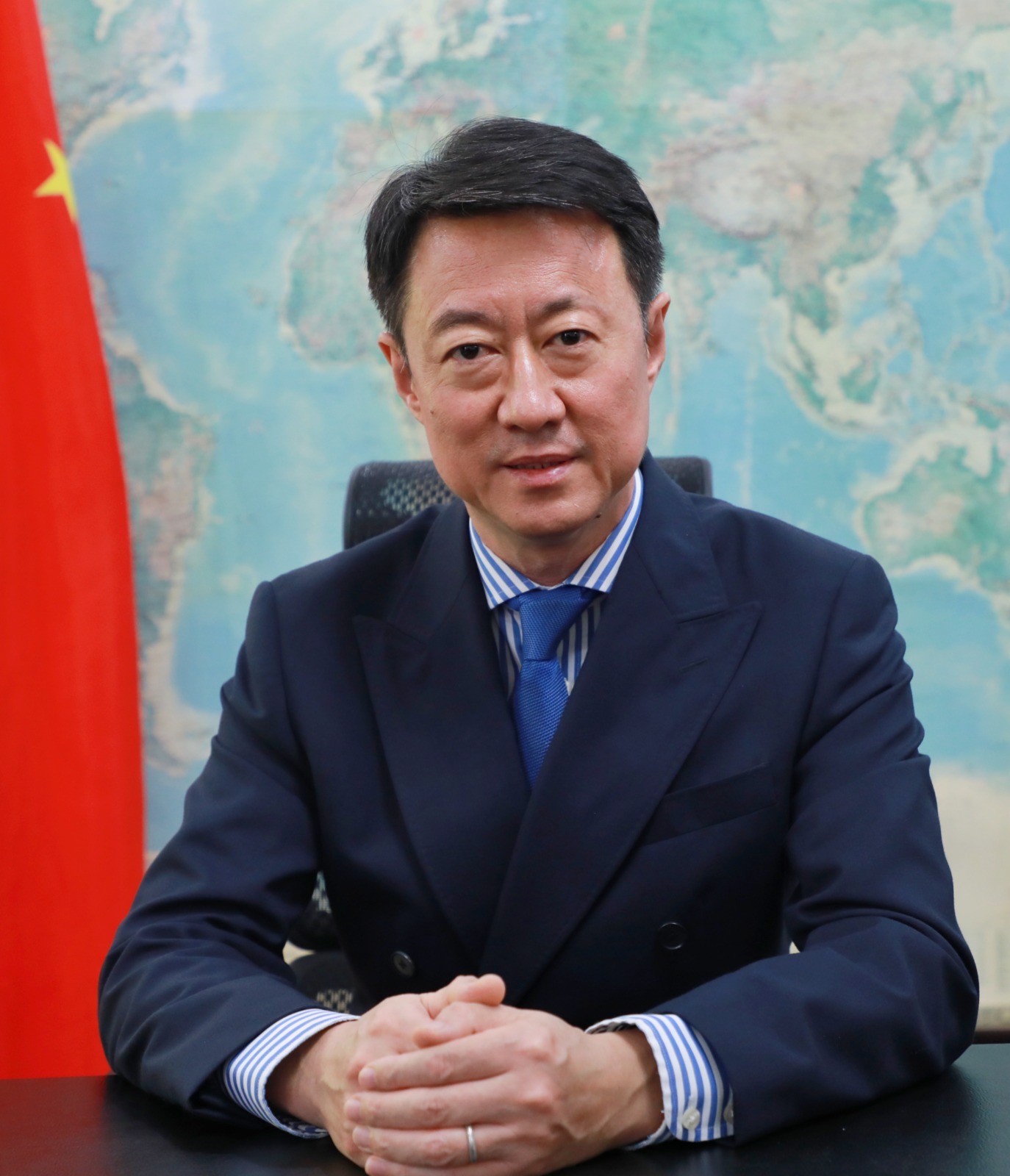
The development was disclosed by the Chinese Ambassador to Nigeria, Yu Dunhai, who explained that the policy grants preferential tariff-free access to exports from 53 African countries, including Nigeria, marking a major milestone in the evolution of China–Africa economic relations.
The initiative is widely seen as a strategic expansion of China’s long-standing trade engagement with Africa, effectively removing tariff barriers that have historically limited the competitiveness of African exports in the Chinese market. With the new framework, a wide range of Nigerian agricultural commodities—including sesame seeds, ginger, cashew nuts, cocoa, and other produce—will now enjoy significantly easier access into China, provided they meet stipulated rules of origin and quality benchmarks.
Ambassador Yu noted that the removal of tariffs is expected to substantially reduce the cost of entry for Nigerian goods, thereby improving their price competitiveness in one of the world’s largest consumer markets. He emphasized that beyond immediate gains in export volumes, the policy is designed to catalyse structural improvements within Nigeria’s export ecosystem, encouraging producers to enhance product quality, standardisation, and packaging in line with international best practices.
According to him, the initiative presents a dual opportunity: while it opens up a vast and stable market for Nigerian exporters, it also creates incentives for value addition and agro-processing, shifting the focus from raw commodity exports to higher-value finished and semi-processed goods. This transition, he noted, is critical to strengthening Nigeria’s position in global value chains and reducing vulnerability to commodity price fluctuations.
The ambassador further highlighted that the zero-tariff regime is expected to stimulate increased investment flows into key sectors of the Nigerian economy, particularly agriculture, manufacturing, and mineral processing. These investments are anticipated to drive industrial expansion, boost productivity, and generate employment opportunities across multiple value chains, thereby contributing to broader economic growth and diversification efforts.
He explained that the policy builds on China’s earlier preferential trade arrangements for least-developed African countries but now represents a more comprehensive approach, achieving near-total coverage of African exports. This positions China among the first major global economies to implement such an extensive unilateral tariff elimination scheme for the continent.
Despite the opportunities presented, Ambassador Yu cautioned that the extent to which Nigeria benefits from the initiative will largely depend on the readiness of its producers and exporters to meet stringent international standards. He stressed the importance of compliance with quality control requirements, consistency in supply, and improvements in packaging and logistics, noting that these factors will ultimately determine market acceptance and long-term sustainability.
To support African countries in maximising the benefits of the policy, China has pledged a range of complementary measures, including capacity-building programmes, technical support, and enhanced trade facilitation mechanisms. Nigerian exporters are also expected to gain increased access to major international trade platforms such as the China International Import Expo and the Canton Fair, which provide critical opportunities for market exposure, networking, and business expansion.
The zero-tariff initiative forms part of broader ongoing negotiations aimed at establishing a more robust China–Africa economic partnership framework. The envisioned framework seeks to further reduce trade barriers, expand investment channels, and institutionalise long-term economic cooperation between China and African nations.
Analysts view the policy as particularly significant against the backdrop of growing global economic uncertainties, shifting supply chains, and rising protectionist tendencies in several parts of the world. In this context, China’s decision to further open its market to African exports is being interpreted as a deliberate effort to reinforce South-South cooperation and position itself as a key partner in Africa’s economic transformation.
For Nigeria, Africa’s largest economy, the initiative presents a timely opportunity to scale up non-oil exports, strengthen trade balances, and accelerate its diversification agenda. However, stakeholders maintain that realising these benefits will require coordinated efforts between government agencies, private sector actors, and export institutions to address structural bottlenecks and align production systems with global market requirements.
As implementation begins, attention is expected to shift towards how effectively Nigerian exporters can leverage the expanded access, adapt to competitive pressures, and translate the policy into tangible economic gains that support sustainable development and long-term growth.