

By Nkechi Eze
The Director-General and Chief Executive Officer of the National Information Technology Development Agency (NITDA), Kashifu Inuwa Abdullahi, CCIE, has called for an inclusive Artificial Intelligence (AI) future that prioritises representation, access and agency for citizens.
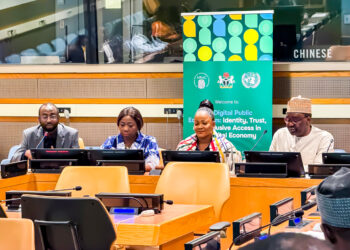
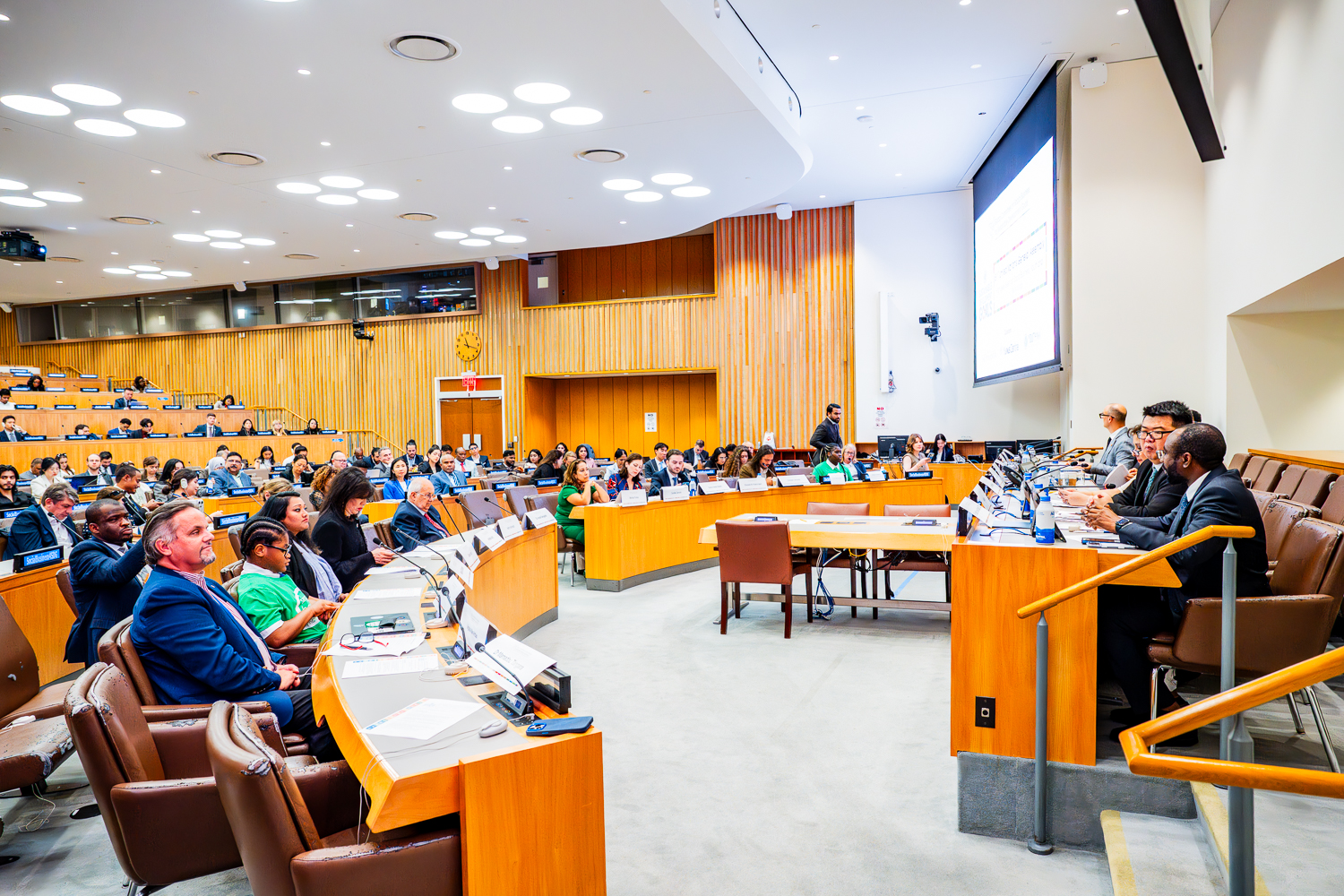
Abdullahi made the call while joining global leaders and development champions at a high-level dialogue on leveraging technology, innovation and social business to advance sustainable and inclusive development.
The session featured the President of the 81st Session of the United Nations General Assembly, H.E. Dr. Khalilur Rahman; President of Timor-Leste and 1996 Nobel Peace Laureate, H.E. José Ramos-Horta; Prime Minister of Bhutan, H.E. Dasho Tshering Tobgay; Brazil’s State Minister of Development and Social Assistance, Family and Fight Against Hunger, H.E. Wellington Dias; and Pakistan’s Minister of State and Chairman of the Virtual Assets Regulatory Authority, H.E. Bilal Bin Saqib, MBE.
Also featured was Professor Muhammad Yunus, 2006 Nobel Peace Laureate, founder of Grameen Bank and Chair of the Global Committee on Social Business for Sustainable Development Goals.
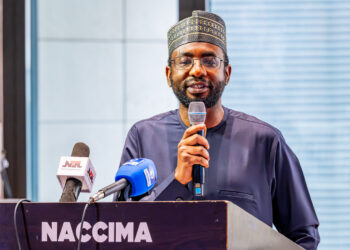
In his keynote address, Abdullahi urged policymakers and technology stakeholders to move beyond simply expanding access to AI and focus on ensuring that AI systems reflect the data, languages, cultures, contexts and values of the people they are designed to serve.
He said inclusive AI should empower citizens not only to consume technology but also to understand, build with, shape and create value from it.
“Inclusive AI requires representation and access—and access must mean agency, not just consumption.”
Using agriculture as an example, the NITDA chief said AI could give Nigerian farmers access to expert knowledge by helping them understand weather and soil conditions, identify crop challenges and connect with markets.
“The promise of AI is not that every Nigerian becomes an AI expert. It is that AI can put expertise within the reach of every Nigerian,” he said.
Abdullahi identified four pillars underpinning Nigeria’s approach to an inclusive AI future as CONNECT, SKILL, COMPUTE and CREATE, highlighting initiatives aimed at expanding connectivity, building digital and technical capabilities, strengthening sovereign cloud and AI infrastructure, and creating an enabling environment for innovation.
On digital sovereignty, he clarified that Nigeria’s objective was not technological isolation but the ability to ensure that AI systems understand Nigerian data and context, operate within Nigerian laws and reflect the country’s culture and values, while remaining open to global investment and partnerships.
He also called for shared responsibility among governments, technology companies and citizens, urging global technology firms to move beyond selling technology to Africa and instead “build with Africa” through investment in computing infrastructure, knowledge transfer, talent development, African datasets and languages, as well as partnerships with local innovators and researchers.
The NITDA DG further stressed the importance of maintaining human accountability as AI becomes increasingly integrated into decisions affecting health, livelihoods, rights and public services.
“We can delegate tasks to machines. We cannot delegate accountability.”
He challenged policymakers, technology companies and innovators to consider who is represented in the intelligence being created and who has the agency to shape it and derive value from it.
Abdullahi said Nigeria’s vision for the AI era was centred not merely on technological advancement but on using technology to expand human opportunity.
Through NITDA, he said, Nigeria would continue to support an AI ecosystem where representation creates relevance, access creates opportunity and agency empowers Nigerians to become creators rather than merely consumers of the AI economy.