


By Nkechi Eze
The National Information Technology Development Agency (NITDA) has called on Nigeria to prioritise indigenous technology development, strategic investment and responsible innovation to strengthen public trust in an increasingly artificial intelligence-driven world.
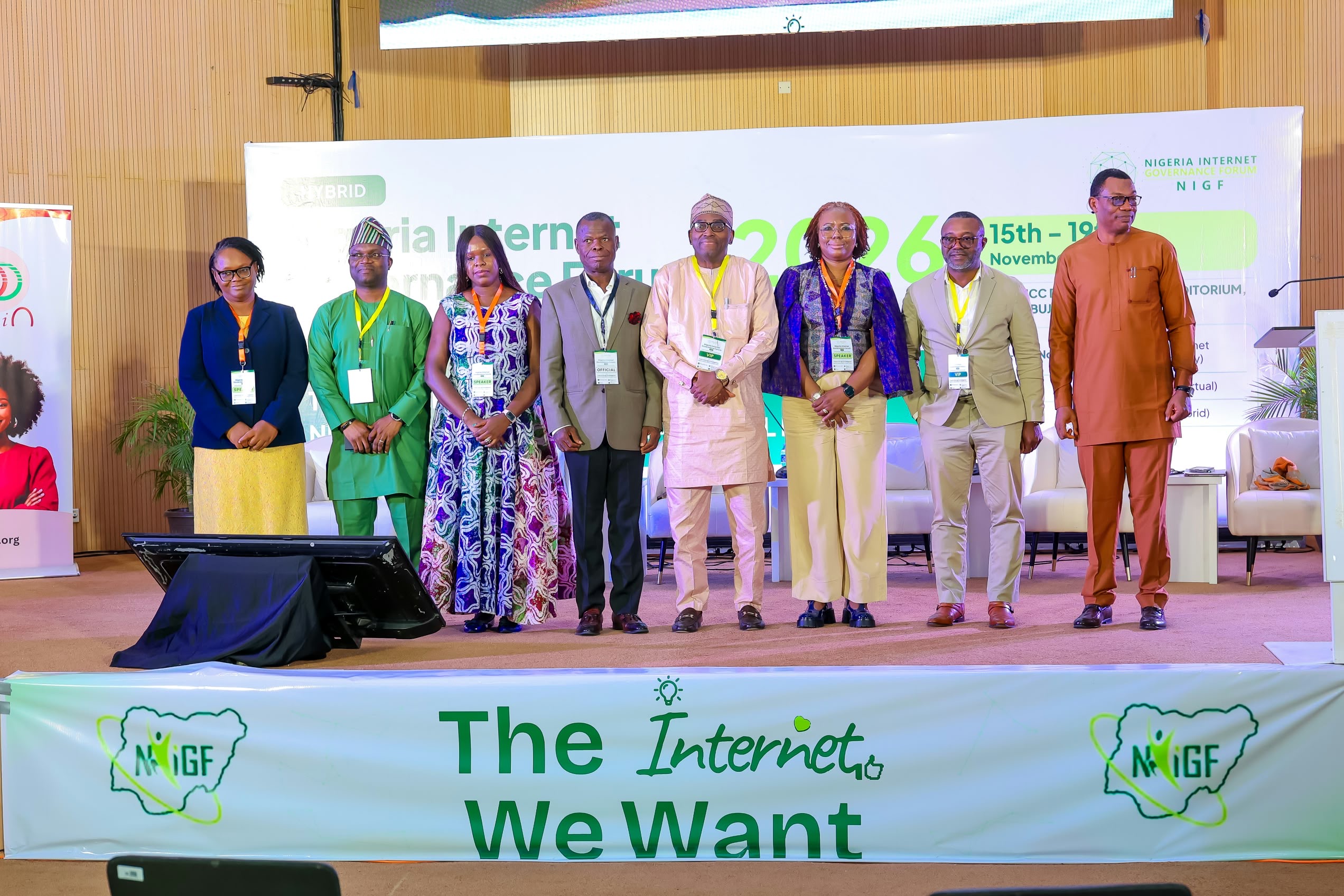
The Director-General of NITDA, Kashifu Inuwa Abdullahi, CCIE, made the call in a goodwill message delivered on his behalf by the Director of the e-Government Department, Engr. Salisu Kaka, at the opening of the 2026 Nigeria Internet Governance Forum (NIGF) in Abuja.
The forum, themed, “Trust in the Age of Intelligence: Nigeria’s Shared Stake in a Digital Future,” brought together regulators, including the Central Bank of Nigeria (CBN), Nigerian Communications Commission (NCC), NITDA and other stakeholders to deliberate on the implications of emerging technologies for Nigeria’s digital future.
Inuwa described the annual gathering as an important national initiative that positions Nigeria within global conversations on internet governance, commending the organisers and participants for sustaining engagements that contribute to the country’s digital development.
He said the theme addressed a critical concern confronting societies as artificial intelligence and other data-driven technologies become increasingly integrated into everyday activities.
According to him, the growing influence of artificial intelligence is gradually shifting the management of human affairs from direct human involvement towards what he described as “algorithm management,” raising fundamental questions about trust, accountability and the extent of users’ control over digital systems.
The NITDA chief warned that misplaced trust in artificial intelligence could have far-reaching consequences, particularly when systems generate responses without sufficient information to support their conclusions.
Citing concerns over AI hallucinations, he explained that inaccurate or misleading outputs could cause unintended harm to individuals and society, making reliability and accountability essential in the development and deployment of intelligent technologies.
He stressed that trust must not be assumed to be an automatic outcome of technological advancement but deliberately incorporated into the design, development and implementation of digital solutions.
Inuwa maintained that technologies introduced into society must be developed with public confidence, safety and users’ needs in mind, rather than allowing technological capabilities to determine how people live and conduct their affairs.
He identified indigenous technology development as a critical pathway towards building a digital ecosystem that reflects Nigeria’s realities and inspires greater confidence among citizens.
The NITDA Director-General urged stakeholders to move beyond dependence on available technologies and become active participants in determining and developing the solutions required to address the country’s needs.
“We have to be deliberate in making investments to ensure that we have the right technology for us to live digitally. Let the technology align with our own expectations, our own requirements, not the other way around. Governments need to create a conducive environment to allow us to develop indigenous innovation,” Inuwa said.
He further emphasised that technology must serve Nigeria’s expectations, priorities and development requirements rather than compel the country to adjust its interests to systems developed elsewhere.
Earlier, the Chairman of the NIGF Multi-stakeholder Advisory Group, Dr. Dimie Wariowei, called on Nigerian stakeholders to take a more active role in shaping the country’s digital future.
Wariowei explained that the forum’s multi-stakeholder model provides government, industry, civil society, technical experts, young people and other participants with an equal voice in building consensus on internet policy.
He described NIGF as part of a broader internet governance framework linking the West Africa Internet Governance Forum, Africa Internet Governance Forum and the global Internet Governance Forum.
He urged participants to engage meaningfully with the discussions, noting that positions and recommendations reached at the Abuja meeting could strengthen Nigeria’s voice in international internet governance.
With the global Internet Governance Forum scheduled to hold in Nairobi, Kenya, from December 14 to 18, 2026, he said Nigeria’s deliberations could contribute directly to continental and international policy conversations.
The 2026 forum is expected to focus on opportunities and risks associated with artificial intelligence and other emerging technologies, with discussions centred on three priority areas: fintech and cybersecurity, child online safety, and digital cooperation.
Participants are also expected to examine ways of strengthening trust as a critical factor in promoting confidence and wider adoption of digital services.