

The Director-General and Chief Executive Officer of the Nigerian Meteorological Agency (NiMet), Professor Charles Anosike, has reaffirmed Nigeria’s commitment to leveraging artificial intelligence (AI) to strengthen weather forecasting, climate services and early warning systems for farmers across Africa.
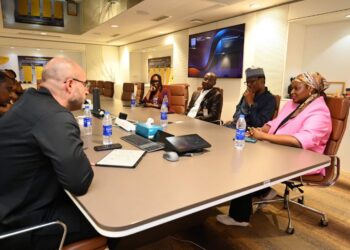
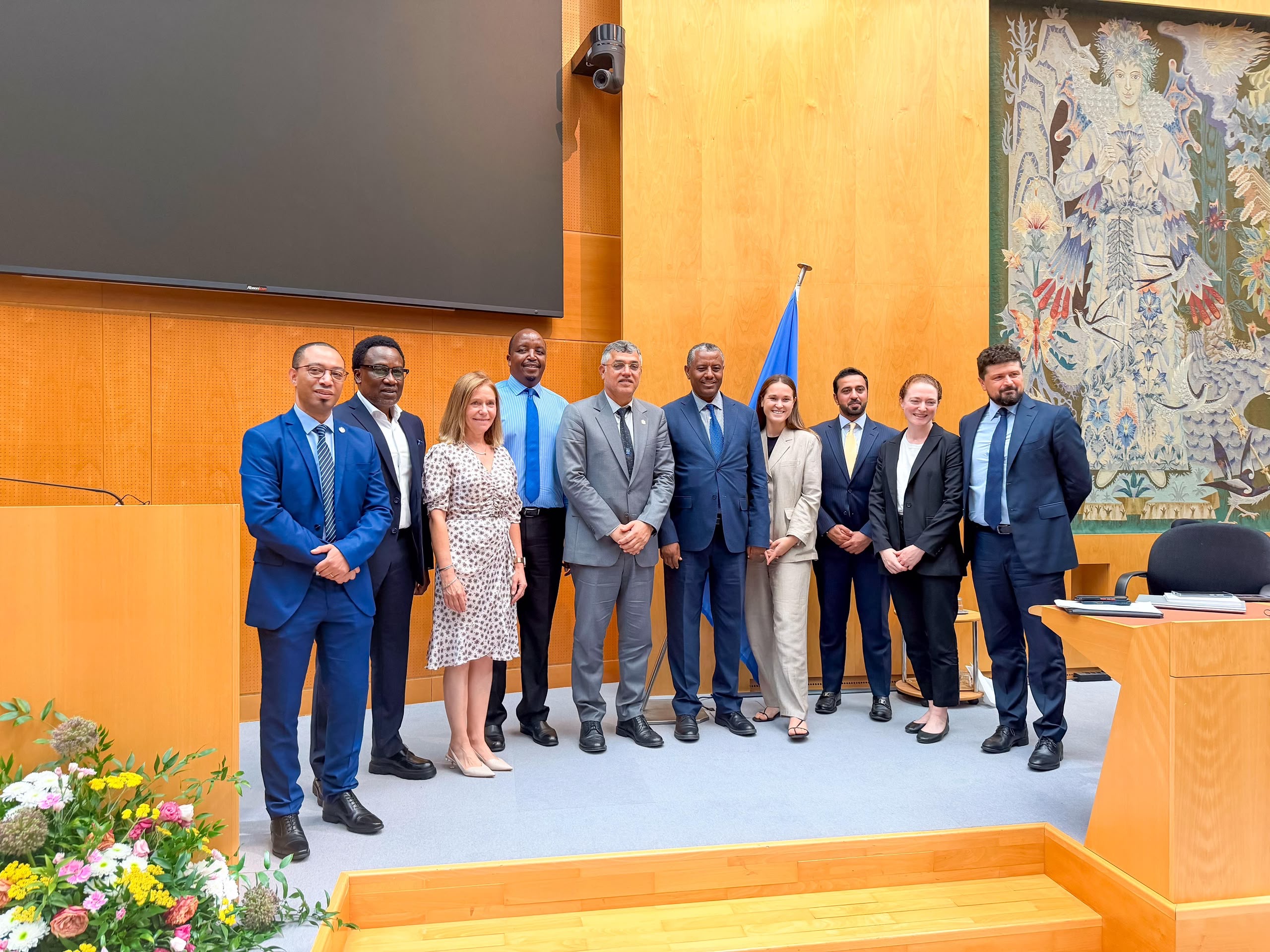
Professor Anosike, who is also Nigeria’s Permanent Representative to the World Meteorological Organization (WMO), made the commitment while participating in the WMO Executive Council Side Event on “Scaling AI-Powered Weather Services for Farmers” held at the WMO Headquarters.
The high-level event brought together global leaders, meteorological experts and development partners to explore how artificial intelligence can enhance weather forecasting, improve climate services for agriculture and strengthen food security through innovative partnerships.
Speaking during the session, Professor Anosike stressed that effective AI-driven weather forecasting depends on high-quality meteorological observations, noting that addressing observation and data gaps across Africa remains critical to unlocking the full potential of artificial intelligence in meteorology.
He emphasised that sustained investment in observation systems would provide the foundation for more accurate forecasts and more effective climate services capable of supporting agricultural productivity and disaster risk reduction.
Professor Anosike also highlighted NiMet’s structured approach to integrating artificial intelligence into its operations. He disclosed that the Agency inaugurated its AI Research Team in January 2026 to drive the identification, evaluation and operational deployment of AI and machine learning technologies.
According to him, NiMet has since developed Artificial Intelligence Terms of Reference (TOR), Standard Operating Procedures (SOP), an AI Operational Framework with phased implementation milestones and documented AI use cases to guide the responsible adoption of the technology.
As part of the initiative, the Agency is evaluating leading AI-powered weather prediction models while developing the MeteoAI platform to improve weather forecasting, climate prediction, forecast verification and early warning services. It is also assessing the most cost-effective computing infrastructure required to support operational AI deployment.
Professor Anosike reaffirmed NiMet’s commitment to harnessing artificial intelligence and modern geospatial technologies to strengthen operational meteorology and advance the Early Warnings for All initiative across Africa, ensuring that farmers and vulnerable communities receive more timely, accurate and actionable weather and climate information.