The Financial Institutions Training Centre (FITC) and the Fiscal Responsibility Commission (FRC) have commenced discussions on a strategic partnership aimed at enhancing institutional efficiency, strengthening fiscal governance and advancing capacity development within Nigeria’s public sector.
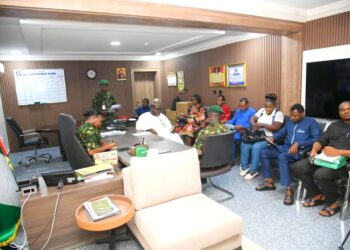
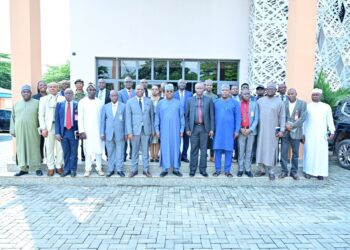
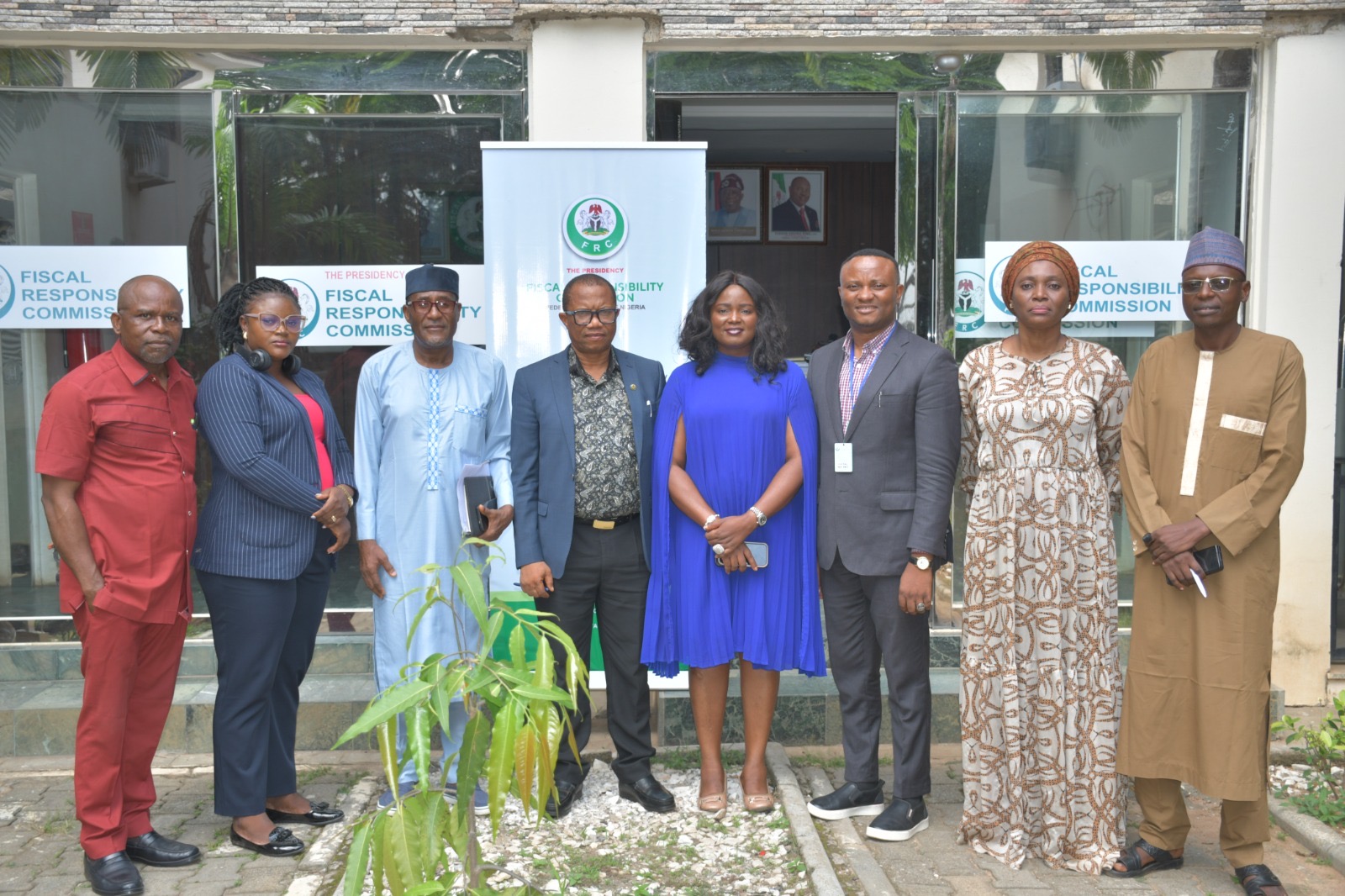
According to an official signed statement by Deputy Director, Strategic Communication Directorate, FRC, Bede Anyanwu, the collaboration was explored during a strategic meeting between the management of FITC and the Commission at the FRC headquarters in Abuja on Wednesday.
Leading the FITC delegation, Mrs. Adenike Animasaun described FITC as a world-class, innovation-driven knowledge institution established by the Central Bank of Nigeria (CBN) and the Bankers’ Committee, with more than four decades of experience in developing resilient and high-performing institutions through learning, advisory services and research.
She said FITC had closely monitored and appreciated the role of the Fiscal Responsibility Commission in promoting prudent and transparent fiscal management across the country.
According to Mrs. Animasaun, the Commission’s responsibility for monitoring the remittance of operating surpluses, enforcing the Fiscal Responsibility Act (FRA) 2007 and promoting macroeconomic stability remains critical to Nigeria’s economic sustainability.
She explained that the meeting was convened to identify areas of strategic collaboration that would strengthen FRC’s institutional capacity and improve service delivery.
Mrs. Animasaun disclosed that FITC has over 16 years of experience working with regulatory agencies and public institutions, including the Nigeria Deposit Insurance Corporation (NDIC), the National Pension Commission (PenCom) and several other government organisations.
She noted that the institution currently offers more than 180 specialised courses tailored to the operational and developmental needs of public sector agencies, adding that FITC focuses on identifying performance gaps and delivering customised solutions to improve organisational effectiveness.
“Our objective is to ensure that the Fiscal Responsibility Commission benefits from our innovative learning solutions, advisory services and institutional development programmes designed to drive sustainable performance,” she said.
She further explained that FITC provides both open and customised training programmes, enabling organisations to nominate personnel for capacity-building initiatives aligned with their professional responsibilities and institutional goals.
The FITC executive added that the institution also delivers executive development programmes for chief executives and management teams, as well as specialised interventions covering staff promotion examination support, strategic work planning, performance management systems, change management, digital transformation, workforce transformation, board recruitment, capacity management, strategic planning, technology advisory and policy implementation.
Mrs. Animasaun also highlighted FITC’s extensive local and international professional partnerships and its expertise in research and policy development. She announced that the institution would host a major conference on July 8, with participation expected both physically and virtually.
Responding on behalf of the Acting Chairman of the Fiscal Responsibility Commission, Barrister Charles Chukwuemeka Abana, the Chairman of the Collaboration Committee, Mr. Ugoh Chinemerem, commended FITC for initiating what he described as a timely and valuable engagement.
He stressed the importance of institutionalising professionalism in the training and development of public servants, noting that effective capacity building remains essential for improving performance across government institutions.
Mr. Ugoh assured the FITC delegation that the Commission would review the organisation’s learning and development calendar before advancing discussions on specific areas of collaboration.
He also emphasised the need for stronger platforms to communicate the Commission’s policies, programmes and activities to a wider audience.
Describing the FRC as a credible institution, he attributed its reputation to sustained efforts in promoting accountability, transparency and prudent management of public resources.
Also speaking during the meeting, the Head of Monitoring and Evaluation at the Commission advocated a dual approach to future collaboration. He noted that while capacity development for FRC personnel remains important, there is also a pressing need to educate Government-Owned Enterprises (GOEs) under the Fiscal Responsibility Act, 2007, to improve their understanding of the law and strengthen compliance.
Concluding the engagement, Mr. Ugoh assured the delegation that the outcome of the meeting would be communicated to the Commission’s Chief Executive and expressed optimism that the proposed partnership would yield significant benefits through sustained engagement.
The meeting is expected to further strengthen institutional collaboration between both organisations while supporting efforts to deepen fiscal discipline, improve governance standards and promote sustainable economic development in Nigeria.