By Nkechi Eze
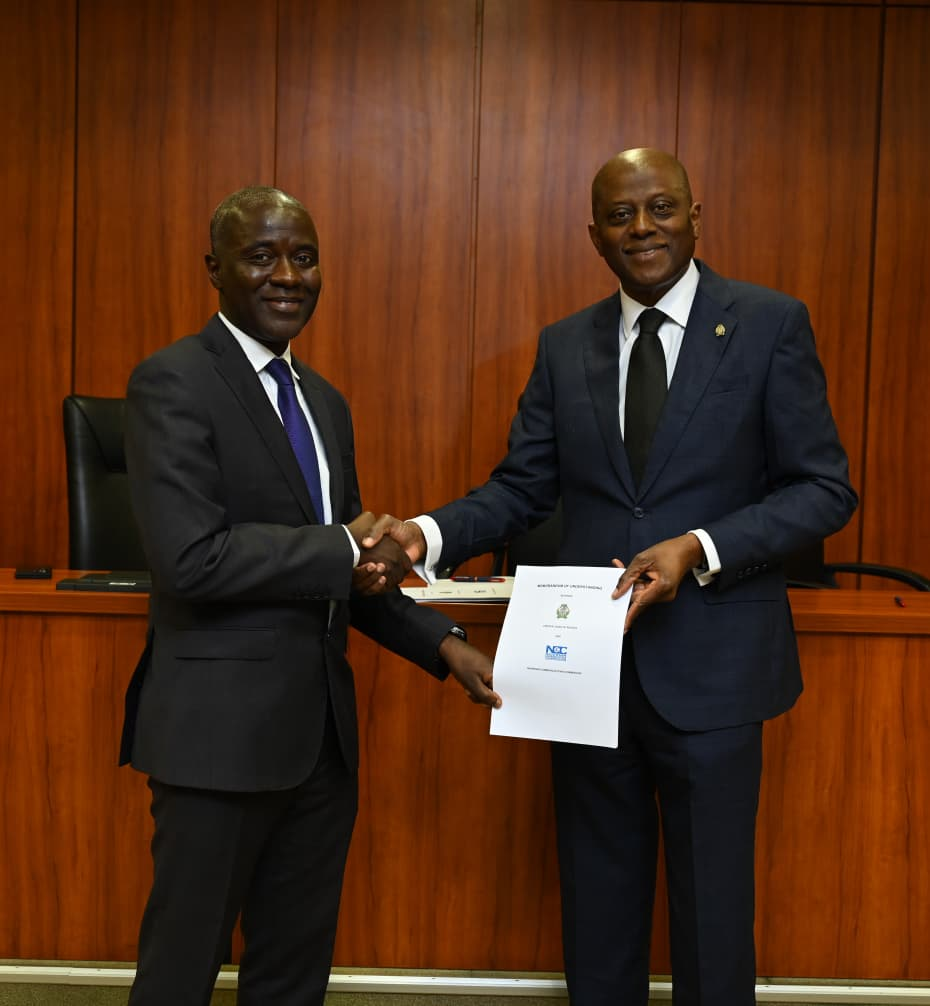
The Nigerian Communications Commission and the Central Bank of Nigeria have signed a Memorandum of Understanding (MoU) aimed at safeguarding consumers against fraud while unlocking opportunities within the telecommunications and financial sectors.
According to an official signed statement by Nnenna Ukoha, Head of Public Affairs Department at the NCC, the agreement coincided with the inauguration of a Joint Committee on Payment Systems and Consumer Protection, as well as a Joint Committee on Telecoms Identity Risk Management System (TIRMS) Portal.
The Executive Vice Chairman and Chief Executive Officer of the NCC, Aminu Maida, stated that the MoU establishes a structured framework for collaboration in critical areas such as payment system integrity, fraud mitigation, digital inclusion, and consumer protection, particularly for micro, small and medium-sized enterprises.
He described the agreement as a major milestone in the regulatory oversight of Nigeria’s digital economy, reflecting a shared commitment by both institutions to strengthen financial system stability, enhance digital inclusion, and protect consumers in an increasingly interconnected environment.
Dr. Maida emphasized the importance of sustained collaboration, noting that previous joint efforts between the NCC and the CBN—such as the resolution of the USSD debt impasse—demonstrated the effectiveness of coordinated regulatory action in addressing complex cross-sector challenges.
He explained that the MoU would enhance secure digital payments, promote trust in mobile-enabled financial services, and expand safe access to underserved populations, while aligning with the NCC’s strategic focus on building a resilient, inclusive, and trusted digital ecosystem.
On fraud prevention, Dr. Maida highlighted the role of the TIRMS Portal, which aggregates data on recycled phone numbers and those flagged for suspicious activities. He said the system would provide financial institutions with critical insights into the status of phone lines, including activation, swaps, disconnections, and reassignment, thereby strengthening efforts to combat electronic fraud.
He added that the initiative would also improve consumer experience by ensuring prompt resolution of issues such as failed airtime recharges, while enabling coordinated policy responses to emerging risks across both sectors.
Governor of the CBN, Olayemi Cardoso, described the MoU as a significant step toward enhancing regulatory coordination on approvals, technical standards, and innovation trials, including sandbox testing to support market-driven solutions while maintaining system stability.
Cardoso reaffirmed the commitment of the apex bank to collaborate with the NCC in building a safer, more resilient, and inclusive digital financial system that supports national productivity and strengthens public trust.
He subsequently inaugurated the Joint Committee on Payment Systems and Consumer Protection, alongside the Joint Committee on the TIRMS Portal, noting that both bodies would prioritize the protection of consumers across the telecommunications and financial sectors from fraud.