

…theatre commander details strides, challenges, and humanitarian gains in the fight against boko haram and ISWAP
By Nkechi Eze
For over a decade, Nigeria’s North East has borne the brunt of terrorism, with communities ravaged by attacks from Boko Haram and the Islamic State West Africa Province (ISWAP). Villages were abandoned, schools and markets shut down, and countless families displaced, creating one of the most challenging security landscapes in the country. Yet, in recent years, Operation Hadin Kai, the military’s sustained counter-insurgency campaign, has begun to turn the tide, reclaiming territory, restoring public confidence, and reviving socio-economic life in the region.
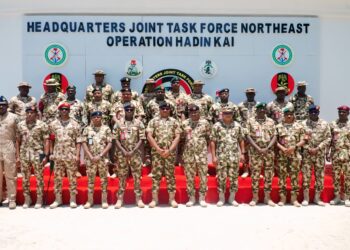
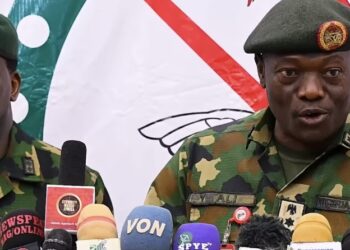
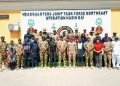
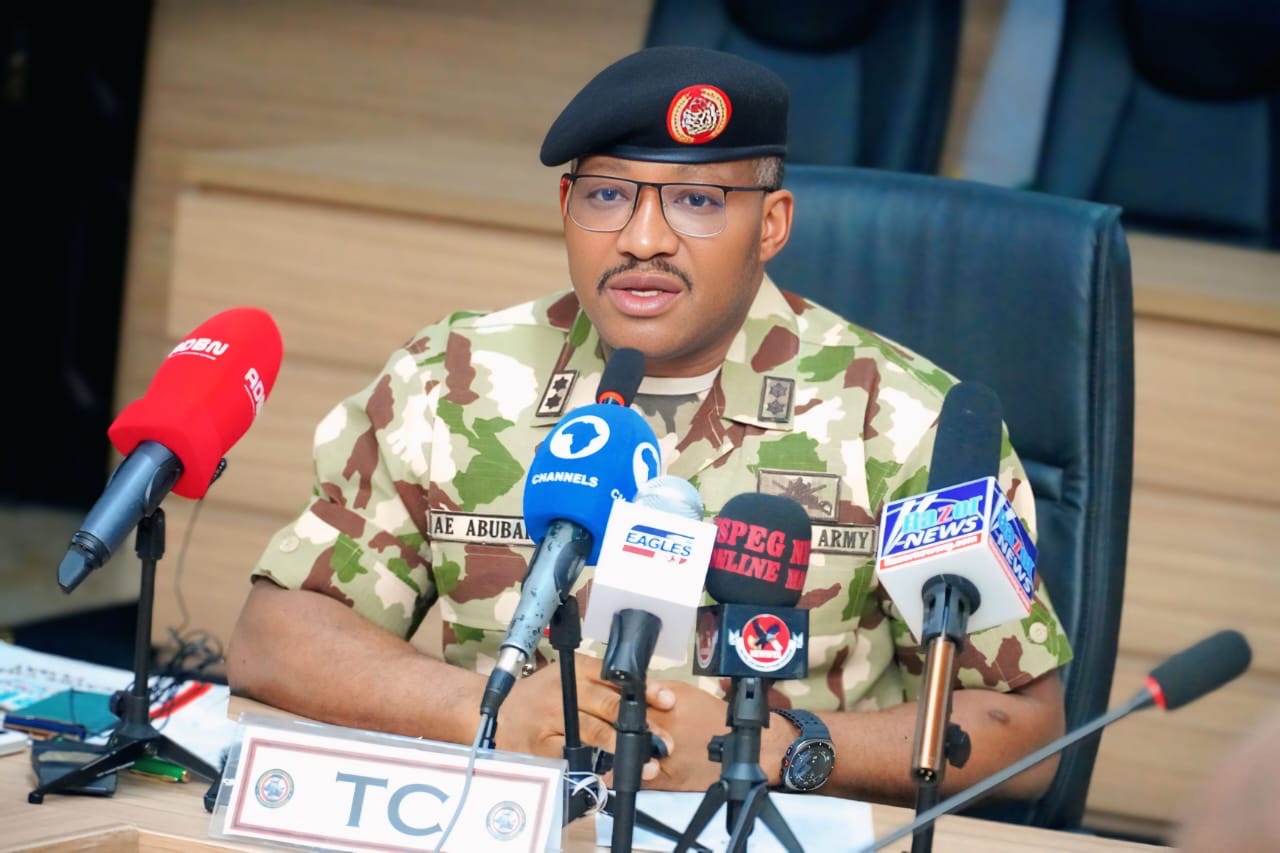
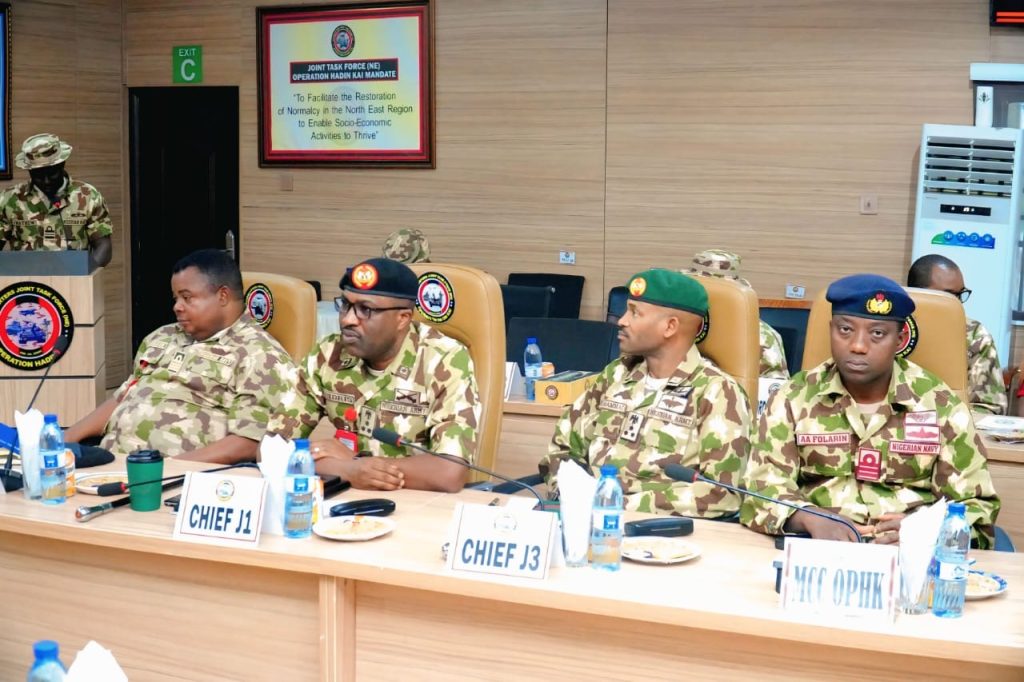
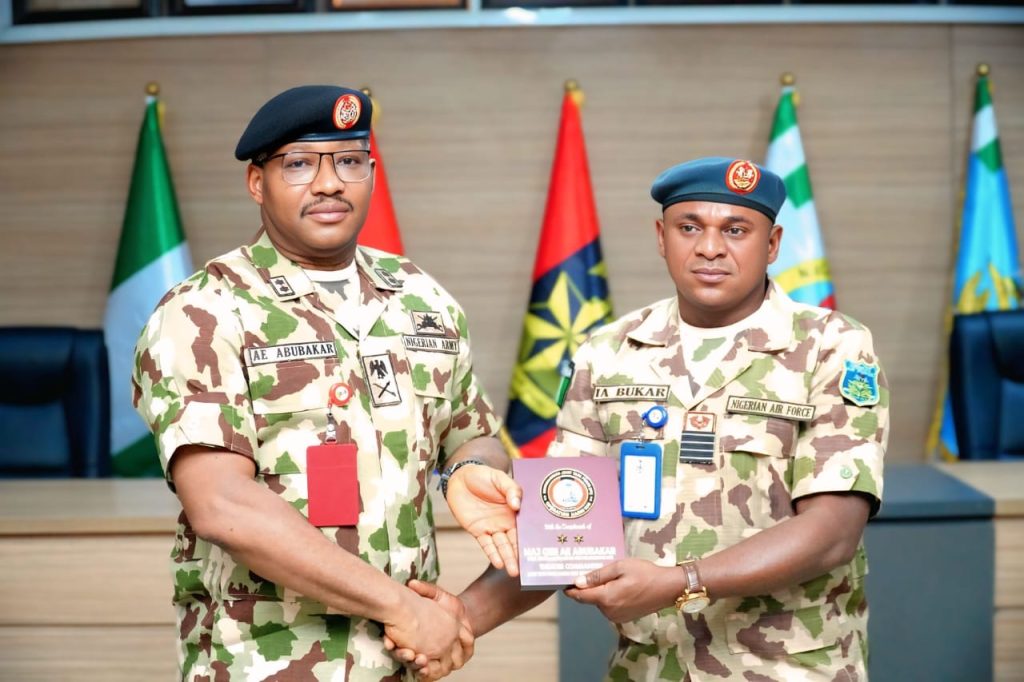
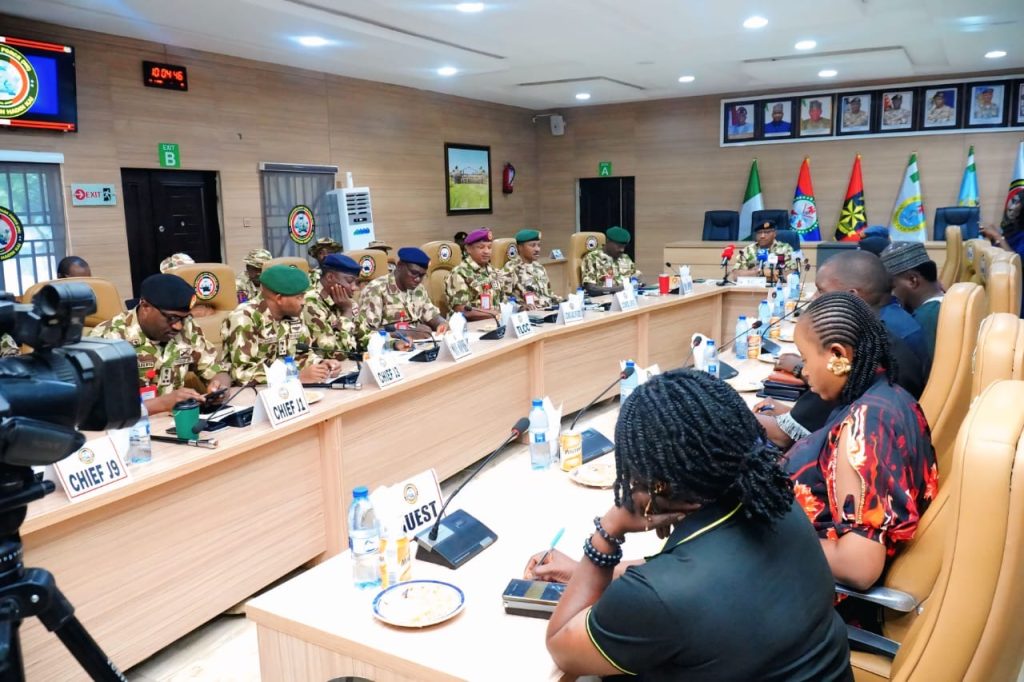
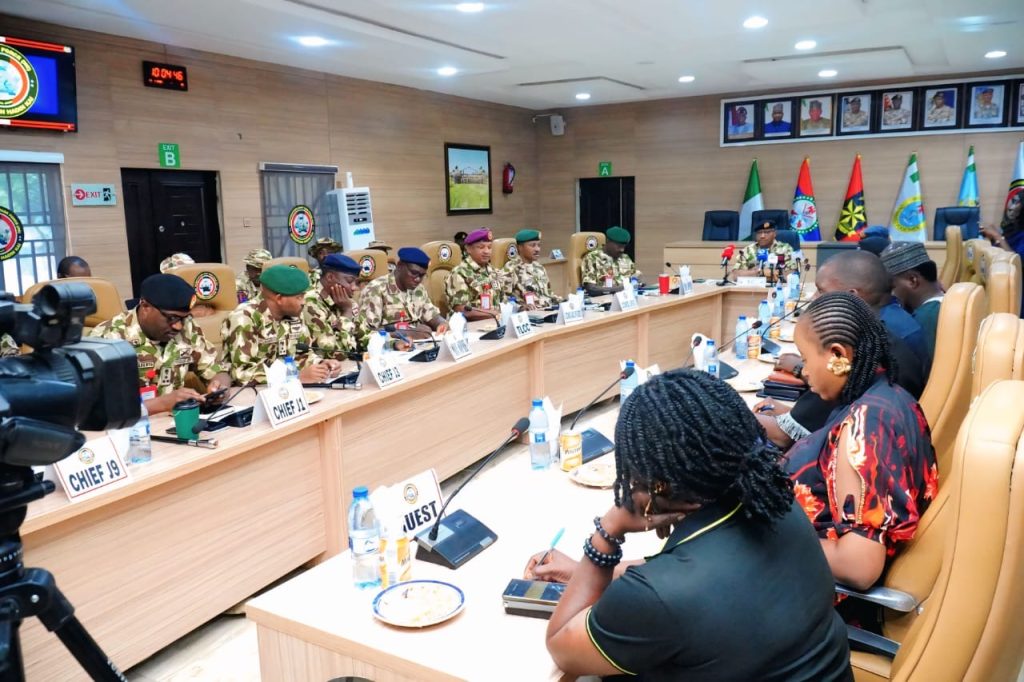
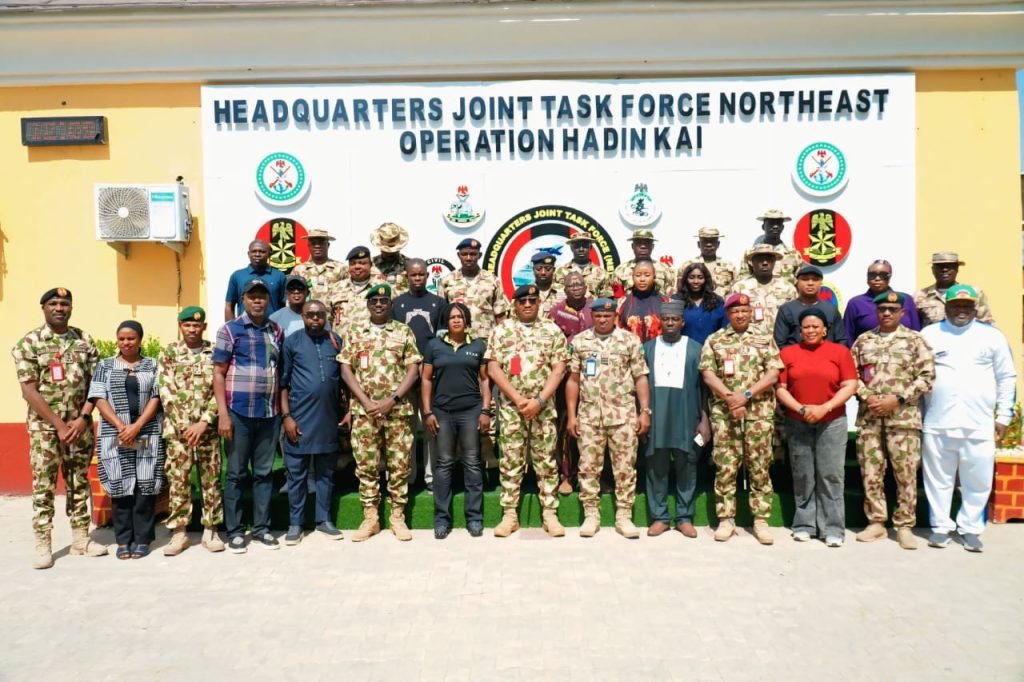
It is against the backdrop of this resilience and recovery which aligns with the Chief of Defence Staff General Olufemi Oluyede’s open-door policy, promoting transparency, trust, and informed citizen participation in Nigeria’s collective mission to secure the nation that Theatre Commander of the Joint Task Force (JTF) North East, Operation HADIN KAI (OPHK), Major General Abdulsalam Abubakar, addressed defence correspondents during the Bi-Annual Media Tour held from 20–22 January 2026. In a candid briefing, he outlined the operations, achievements, challenges, and humanitarian initiatives that have defined the campaign over the past year.
Speaking to journalists, Major General Abubakar stressed the dual importance of robust military operations and strategic communication, noting that information is as vital as firepower in the fight against insurgency. “In an asymmetric war, keeping Nigerians informed about the sacrifices and achievements of our troops strengthens public confidence and counters terrorist narratives,” he said.

The Commander outlined the operational structure of the theatre, which is divided into four sectors with Sector One headquartered at the Theatre Command in Maiduguri. The area of responsibility encompasses thousands of square kilometres, with coordinated operations conducted by land, air, and maritime forces alongside other security agencies. Despite adaptive tactics by Boko Haram and ISWAP, including IEDs, ambushes, and drone surveillance, the troops have maintained continuous pressure on terrorist elements.
Citing specific incidents, Major General Abubakar recalled a September 2025 attack where insurgents ambushed troops escorting humanitarian convoys using improvised explosive devices from multiple directions. “Our forces responded decisively, neutralising several terrorists and seizing a substantial cache of arms and ammunition,” he said. He also disclosed that 53 high-profile terrorist leaders, including Abu Fatimah, who carried a bounty exceeding ₦100 million, have been neutralised since late 2025, attributing the success to intelligence-driven operations enhanced through collaboration with international partners, particularly the United States.

Addressing the rise in suicide attacks and attempts, the Theatre Commander described these as signs of desperation by terrorists. “When insurgents cannot match our capacity in kinetic operations, they resort to suicide bombings, it is the last kick of a dying horse,” he remarked, noting that 15 would-be suicide bombers were apprehended, three neutralised, and several key masterminds captured across Borno and Adamawa States.
The military has also developed effective countermeasures against drone attacks. “In the last month, we have not lost a single soldier to armed drone strikes,” he stated, highlighting the importance of technological adaptation in modern counter-terrorism operations. Troops have additionally disrupted terrorist logistics, intercepting over 10,000 litres of fuel and lubricants and conducting amphibious operations in Lake Chad, clearing over 10 kilometres of waterways to enable deeper force projection into island territories long exploited by insurgents.
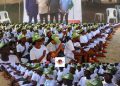
Major General Abubakar provided a comprehensive overview of the human impact of the operations. Between January 2025 and January 2026, more than 20,000 terrorists and family members surrendered, including over 8,000 active fighters, 7,000 women, and 4,000 children. Intelligence obtained from debriefing these individuals has informed ongoing operations, resulting in the dismantling of key terrorist enclaves and disruption of supply networks.
Non-kinetic operations form a critical component of the strategy to consolidate military gains. The Commander highlighted community-focused initiatives such as medical outreaches, educational support, psychosocial care for surrendered persons, and distribution of relief materials. He cited a medical outreach conducted on 9 December 2025, which offered free consultations, malaria screening, blood pressure and sugar checks, and the provision of medications. “Winning the hearts and minds of the local population is essential for lasting peace,” he said.
Operation Hadin Kai also continues to support the disarmament, demobilisation, rehabilitation, and reintegration (DDRR) programme, in collaboration with government agencies, NGOs, and international partners. These efforts ensure safe delivery of humanitarian assistance while fostering long-term stability in the region.
Highlighting operational achievements, the Commander recounted the bravery of troops from 198 Special Forces Battalion, who in October 2025 repelled a major insurgent attack despite being heavily outnumbered, and 145 Battalion, which successfully neutralised multiple ambush attempts and recovered arms and motorcycles between August and November 2025.
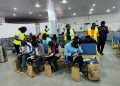
Improved security has also facilitated the return of displaced persons, with over 6,000 individuals resettling in their communities within the last six months. The reopening of critical routes and border towns has revived trade, enabled civil authorities to return, and allowed religious and cultural events, previously suspended due to insecurity, to resume safely. “These developments are strong indicators that confidence is returning and that normalcy is gradually taking root,” Major General Abubakar noted.
In his closing remarks, he reaffirmed the Armed Forces’ commitment to professionalism, human rights, and operational excellence, while urging the public to continue supporting military efforts and encouraging responsible media reporting. “Our fallen heroes, our troops, their families, widows, and orphans deserve recognition. The Armed Forces remain resolute to ensure that the North East and indeed all of Nigeria remains secure, stable, and united,” he said.
The Theatre Commander emphasized that the media engagement aligns with the Chief of Defence Staff’s open-door policy, promoting transparency, trust, and informed citizen participation in Nigeria’s collective mission to secure the nation.