

The Independent Corrupt Practices and Other Related Offences Commission (ICPC) has urged officers of the Nigeria Customs Service (NCS) in Borno State to uphold the highest standards of integrity, transparency, and accountability in the discharge of their duties, particularly in revenue collection and service delivery.
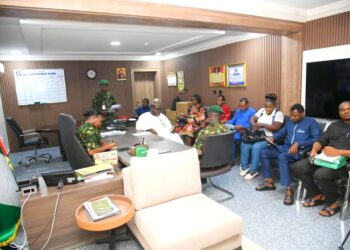
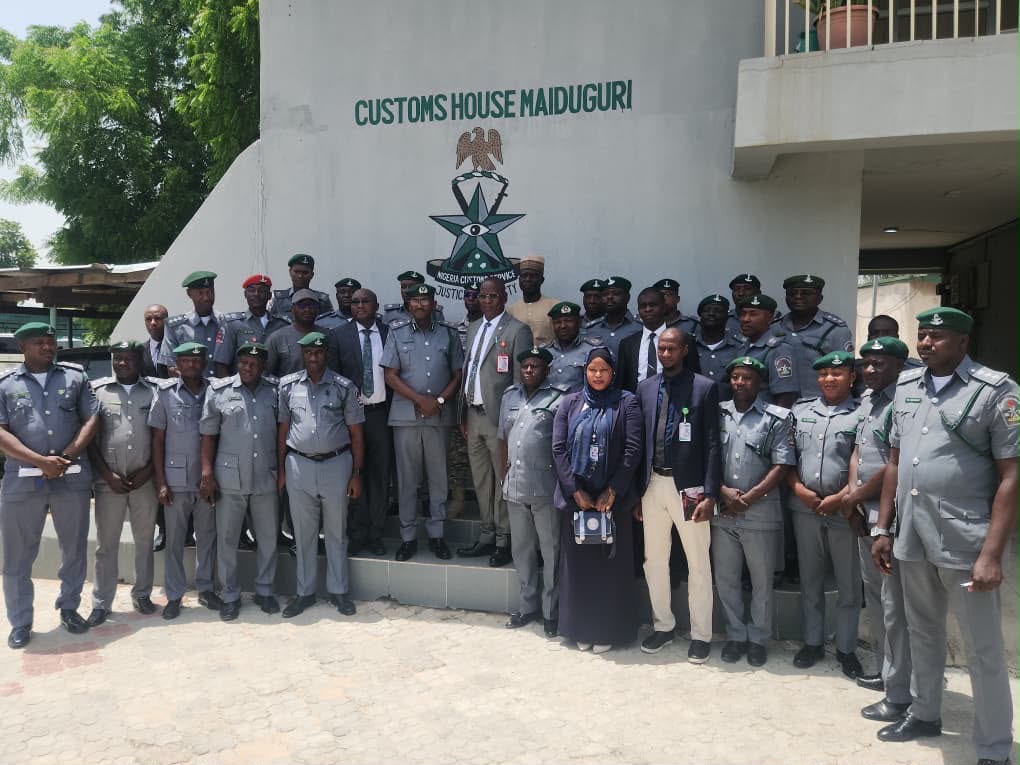
According to an official signed statement by Head, Media and Public Communications, ICPC, J. Okor Odey, the charge was delivered during a one-hour sensitisation lecture and interactive session held at the Customs Command Headquarters in Maiduguri as part of the Commission’s ongoing efforts to strengthen ethical conduct across public institutions and combat corruption.
Speaking at the event, the Resident Anti-Corruption Commissioner (RACC) for Borno and Yobe States, Mr. Linus Gubbi, described integrity, transparency, and accountability as fundamental pillars of effective public administration. He stressed that public officers must consistently demonstrate professionalism and remain answerable for their actions and decisions, warning that corruption undermines institutional credibility and national development.
“The fight against corruption is a collective responsibility,” Gubbi stated, urging Customs officers to regard themselves as ambassadors of ethical governance and to actively support initiatives aimed at promoting good governance within the public sector.
He further called on personnel of the Service to adopt preventive measures against corrupt practices and uphold ethical standards in the performance of their duties, noting that public confidence in government institutions largely depends on the conduct of public servants.
Responding on behalf of the Customs Area Controller, A.M. Idris, the Command expressed appreciation to the ICPC for the engagement and reaffirmed the Nigeria Customs Service’s commitment to transparency and accountability in its operations. The Controller also pledged continued collaboration with the Commission in advancing anti-corruption reforms and strengthening institutional integrity.
As part of the programme, Assistant Chief Superintendent (ACS) Abba Dzikwi presented a paper titled, “Enhancing Integrity and Accountability in Customs Operations: Promoting Transparency and Ethical Practices.” He highlighted the importance of transparency in customs procedures, adherence to ethical codes, and the need to avoid practices capable of eroding public trust. He also encouraged officers to embrace reforms designed to improve efficiency and accountability within the Service.
The event concluded with a vote of thanks delivered by the Special Assistant to the Controller, O.A. Ogunduwase, who commended the ICPC for its sustained efforts in promoting ethical values across public institutions.
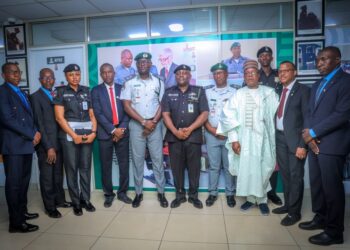
Educational materials and commemorative plaques were exchanged between both organisations as a symbol of their shared commitment to integrity and good governance, while participants also took part in a group photograph to mark the occasion.
The sensitisation programme, according to the Commission, reflects the ICPC’s continued dedication to fostering a culture of transparency, accountability, and ethical governance across public institutions as part of the nation’s broader anti-corruption drive.