

By Nkechi Eze
International partners, including the European Union (EU), the United Nations Office on Drugs and Crime (UNODC) and the Economic Community of West African States (ECOWAS), have pledged continued support for Nigeria’s renewed efforts to combat drug abuse and illicit trafficking under the 2026–2030 National Drug Control Master Plan (NDCMP).
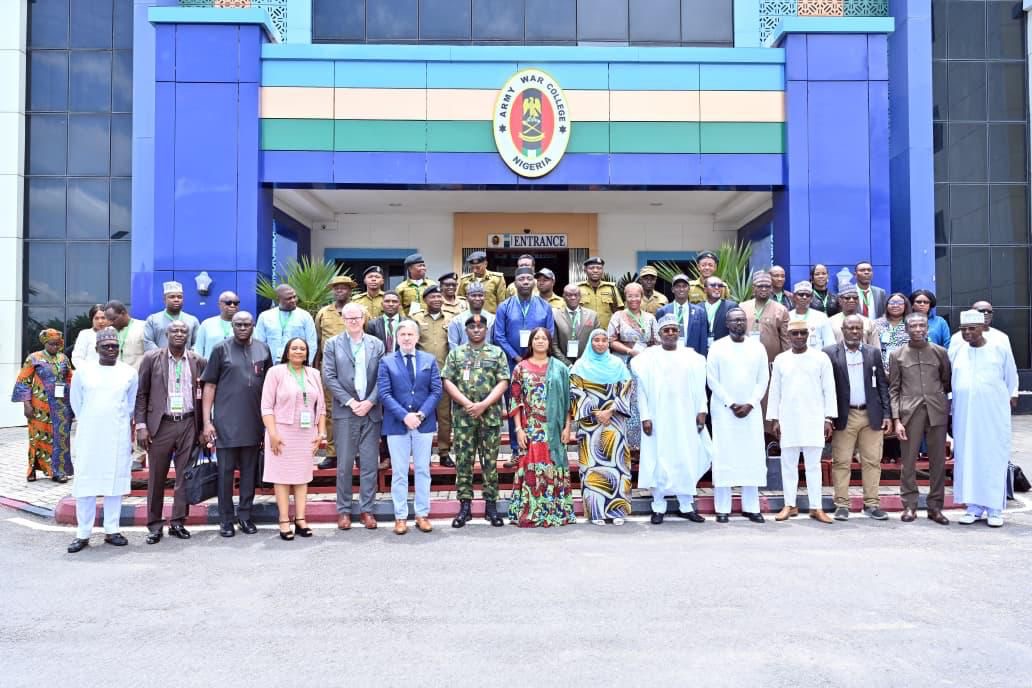
According to an official signed statement by the Director, Media and Advocacy of the National Drug Law Enforcement Agency (NDLEA), Femi Babafemi, the assurances were given during the opening session of a two-day National Drug Control Master Plan Consultative Forum organised by the NDLEA in Abuja on Monday, 18th May 2026.
Speaking at the forum, the EU delegation to Nigeria and ECOWAS, represented by Deputy Head Mr. Zissimos Vergos, reaffirmed the European Union’s commitment to supporting Nigeria’s drug control architecture, describing the challenge as a shared transnational concern requiring sustained global cooperation.
Vergos noted that drug trafficking and substance abuse transcend national borders, stressing that developments in Nigeria have implications for broader regional and international security. He commended the NDLEA for its commitment and achievements, adding that the EU would continue to collaborate with Nigeria in strengthening institutional capacity, prevention frameworks and enforcement mechanisms.
He stated that the EU remained committed to its updated drug strategy, which prioritises stronger international cooperation, and expressed optimism that the new master plan would translate into tangible progress in saving lives and securing communities across Nigeria, West Africa and beyond.
Similarly, the UNODC Country Representative, Mr. Chiekh Ousmane Touré, warned of a rapidly evolving global drug landscape driven by synthetic substances, sophisticated trafficking networks and the increasing use of digital platforms for illicit trade.
He described Nigeria as occupying a critical position in global drug dynamics, stressing the need for a comprehensive, data-driven and adaptable strategy. He reaffirmed UNODC’s commitment to supporting Nigeria through technical assistance, capacity building, drug demand reduction programmes and strengthened international cooperation.
Touré said the proposed master plan presented an opportunity to deepen institutional coordination, improve data systems and enhance evidence-based responses, while ensuring a people-centred and sustainable approach to drug control.
In his remarks, the Chairman and Chief Executive Officer of the NDLEA, Brigadier General Mohamed Buba Marwa (Rtd), warned that despite progress recorded in recent years, emerging trends indicate a growing and more complex drug threat across Africa.
Citing projections suggesting a possible 40 per cent rise in drug use across the continent by 2030, Marwa highlighted West Africa’s continued role as a major trafficking corridor for cocaine flows between Latin America and Europe, alongside rising synthetic drug production, prescription drug abuse, and the digitalisation of illicit drug markets.
He said Nigeria could not afford to remain passive in the face of such evolving threats, describing the consultative forum as a critical platform for shaping the 2026–2030 strategy. Marwa explained that the new master plan would introduce alternative development and sustainable livelihood interventions, alongside stronger financial intelligence frameworks aimed at disrupting illicit drug economies.
He urged stakeholders to approach the process with bold and innovative ideas, noting that drug abuse remains a lived reality affecting families, schools and communities across the country.
“The goal remains a drug-free Nigeria,” he said, adding that the final plan must serve as a roadmap for a safer and healthier society.
Also speaking, ECOWAS Commissioner for Human Development and Social Affairs, Dr. Daniel Amankwaah, said Nigeria’s drug control master plan remains central to regional coordination efforts, noting that its outcomes often inform strategies across member states. He reaffirmed ECOWAS’ commitment to supporting both the formulation and implementation phases of the plan.
In her remarks, the Minister of State for Education, Prof. Suwaiba Said Ahmad, commended the NDLEA for its sustained efforts in addressing drug abuse through enforcement, advocacy, rehabilitation and collaboration. She called for a multi-sectoral approach integrating education, healthcare, law enforcement and community engagement to address both the causes and consequences of substance abuse.
Other stakeholders at the forum included representatives of the Senate Committee on Drugs and Narcotics, the National Orientation Agency, and other partner institutions, all of whom expressed support for the new drug control framework and its objectives.