By Nkechi Eze
The Chief of Army Staff (COAS), Lieutenant General Waidi Shaibu, has directed commanders at all levels of the Nigerian Army to uphold the fundamental human rights and safety of all citizens in the course of their duties.
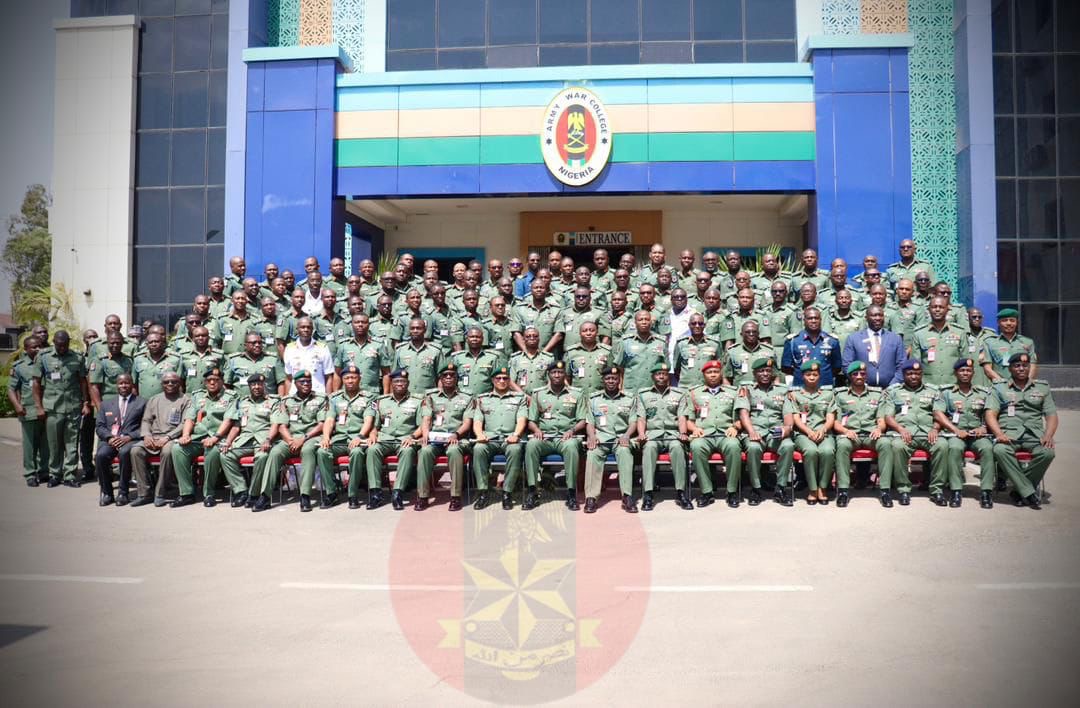
The Army Chief gave the directive on Tuesday, March 17, 2026, while delivering a lecture on his Command Philosophy to participants of Army War College Course 10/2026 at the Army War College Nigeria in Abuja.
According to a statement issued by the Acting Director Army Public Relations, Colonel Appolonia Anele, the COAS stressed that respect for human rights remains critical to operational success and national stability. He noted that strict adherence to international humanitarian law, Rules of Engagement, and other operational protocols not only protects civilians but also builds public trust and enhances intelligence-driven operations.
General Shaibu explained that his Command Philosophy, which is focused on transforming the Nigerian Army into a more adaptable, combat-ready, and resilient force capable of effectively discharging its constitutional responsibilities within a joint and multi-agency environment, serves as the foundation of his leadership approach.
He urged the participants to internalise the philosophy, particularly the “Soldier First Concept,” which prioritises the welfare of personnel. The concept, he said, is anchored on professionalism, sound administration, operational readiness, strategic cooperation, and exemplary leadership as key drivers of effectiveness.
The COAS also emphasised the importance of continuous training, directing commanders to focus on the development of their subordinates through structured, mission-oriented programmes. He highlighted that training on human rights and civilian protection reflects the core values embedded in the Oath of Allegiance taken by all officers.
In his remarks, the Commandant of the College, Major General Umar Alkali, commended the Army Chief for his consistent support to the institution, noting that the lecture had a significant impact on both participants and the College.