

By Nkechi Eze
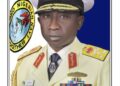
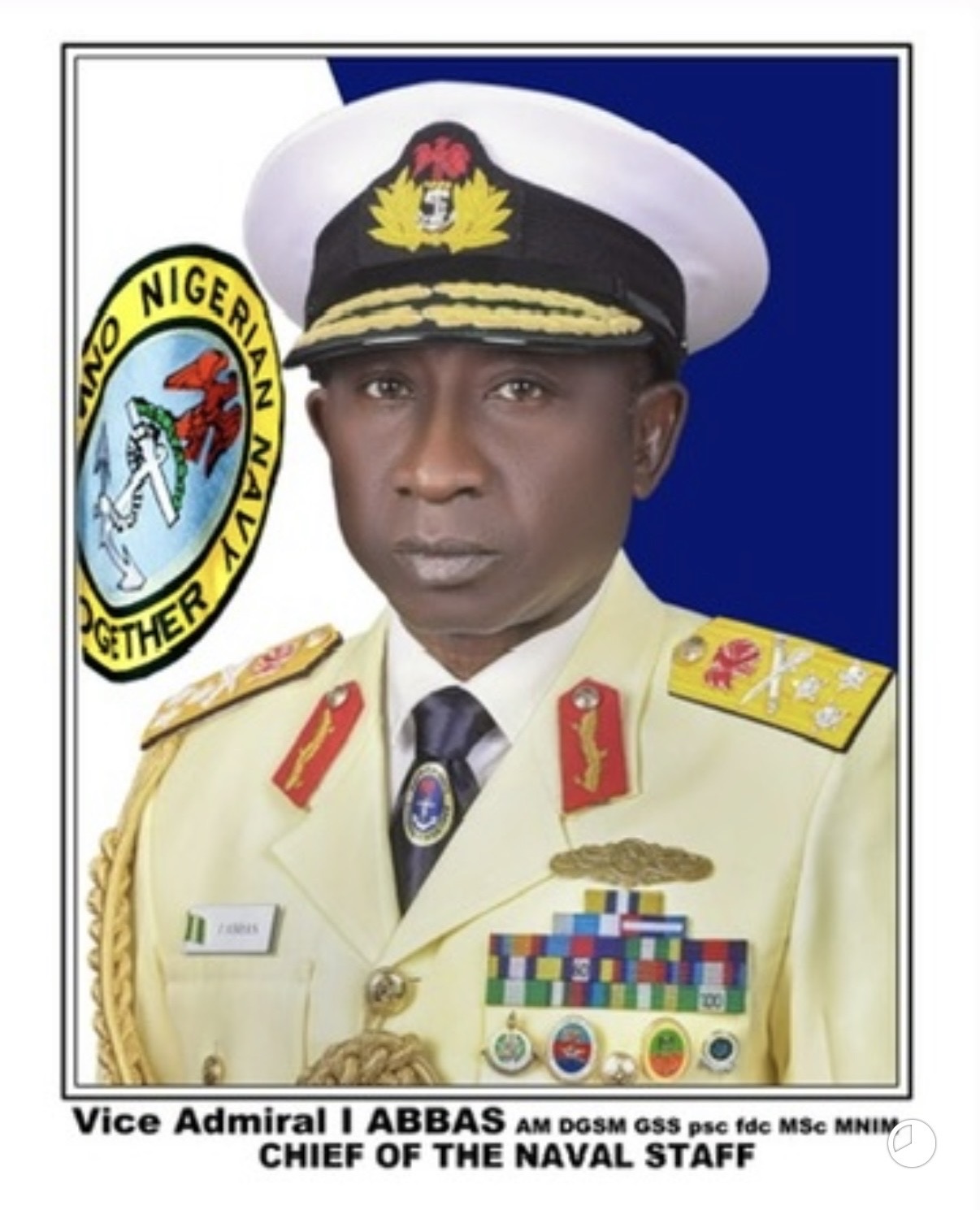
The Nigerian Navy has sustained Nigeria’s zero-piracy status, recovered over 7.48 million litres of stolen crude oil and illegally refined petroleum products, commissioned three high-speed patrol vessels and completed more than 93 community development projects within the first year of Vice Admiral Idi Abbas as Chief of the Naval Staff.
The achievements, covering the period from October 30, 2025, to November 4, 2026, also include the deactivation of 168 illegal refining sites, destruction of 363 dugout pits, arrest of 259 suspects and securing of nine convictions for offences relating to crude oil theft and pipeline vandalism.
The Service also arrested four vessels suspected of involvement in crude oil theft as part of intensified efforts to protect Nigeria’s maritime resources and critical national assets.
A major operational milestone during the period was the activation of Operation DELTA SENTINEL in January 2026 to strengthen the fight against crude oil theft, illegal bunkering and other maritime crimes.
The operation further reinforced the Navy’s intelligence-driven approach to maritime security, with sustained efforts to deny criminal elements access to Nigeria’s waterways and oil infrastructure.
In a major boost to fleet renewal and operational capability, the Navy commissioned three high-speed patrol vessels, NNS OLOIBIRI, NNS MAMBILA and NNS GURARA, in June 2026.
The vessels are expected to strengthen maritime surveillance, expand the Service’s operational reach and enhance its ability to respond swiftly to security threats within Nigeria’s maritime domain.
Beyond its operational achievements, the Nigerian Navy recorded significant progress in infrastructure development and personnel welfare, with the construction and commissioning of more than 36 projects covering accommodation, medical, office and multipurpose facilities.
The Service also commenced the development of a 200-bed Reference Hospital at Navy Town, Asokoro, Abuja, to strengthen healthcare delivery and improve access to medical services for personnel and their families.
In community development, the Navy completed more than 93 projects under the Chief of the Naval Staff Special Intervention Quick Impact Projects (CNS-SIQIP) and other related initiatives.
The interventions include the provision of 18 solar-powered boreholes, renovation of 11 school buildings, construction and equipping of 11 healthcare centres, as well as the provision of electricity infrastructure in three communities.
The projects are aimed at improving access to essential social amenities, including potable water, education, healthcare and electricity, particularly in communities hosting naval formations and operations.
In the area of human capacity development, the Navy graduated and inducted its inaugural batch of 328 Nigerian Navy Marines, marking a significant addition to its specialised operational manpower.
The Marines have been deployed to reinforce ongoing military operations, particularly against asymmetric threats in northern Nigeria, while training of a second batch is ongoing to further strengthen the capability.
The development reflects the Navy’s efforts to expand its operational capacity to address emerging security challenges beyond conventional maritime threats.
The Service also strengthened regional and international maritime cooperation through participation in multinational exercises, including OBANGAME EXPRESS 2026, COASTAL GRIP 2, GRAND AFRICAN NEMO 2026 and CROCODILE LIFT.
A major achievement in this regard was the operationalisation of the Combined Maritime Task Force for the Gulf of Guinea during the Nigerian Navy’s 70th Anniversary celebrations in June 2026.
The initiative is expected to enhance regional coordination, interoperability and collective responses to maritime security threats across the Gulf of Guinea.
The Navy’s achievements under Abbas are anchored on five major areas: maritime security, fleet renewal and infrastructure development, community development, human capacity development, and regional and international cooperation.
Under maritime security, the Service sustained Nigeria’s zero-piracy status while intensifying operations against crude oil theft, illegal bunkering and other maritime crimes through intelligence-driven operations and Operation DELTA SENTINEL.
In fleet renewal and infrastructure, the commissioning of three high-speed patrol vessels, completion of more than 36 projects and commencement of the 200-bed Reference Hospital represent key investments in operational capacity and personnel welfare.
Similarly, the completion of more than 93 community development projects underscores the Navy’s commitment to supporting national development and improving relations with host communities.
The induction of 328 Nigerian Navy Marines and ongoing training of a second batch have also expanded the Service’s specialised manpower, particularly for operations against asymmetric threats.
Through multinational exercises and the operationalisation of the Combined Maritime Task Force for the Gulf of Guinea, the Navy has further strengthened its regional partnerships and commitment to collective maritime security.
The achievements reflect the Service’s broader commitment to securing Nigeria’s maritime environment, protecting critical national assets, developing its personnel and contributing to national security and economic prosperity.
Under Abbas, the Nigerian Navy continues to pursue the strategic vision of building a more capable Navy and a more secure maritime environment.