

By Nkechi Eze
The Independent National Electoral Commission (INEC) has raised concerns over growing foreign interference and disinformation campaigns ahead of the 2027 General Election, seeking the support of the United Nations (UN) and the United Kingdom (UK) to protect Nigeria’s electoral process.
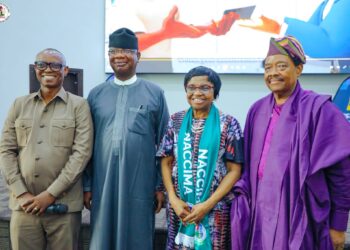
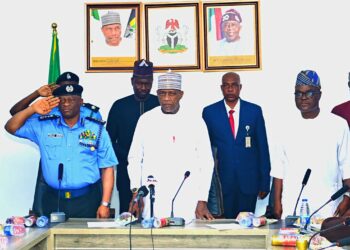
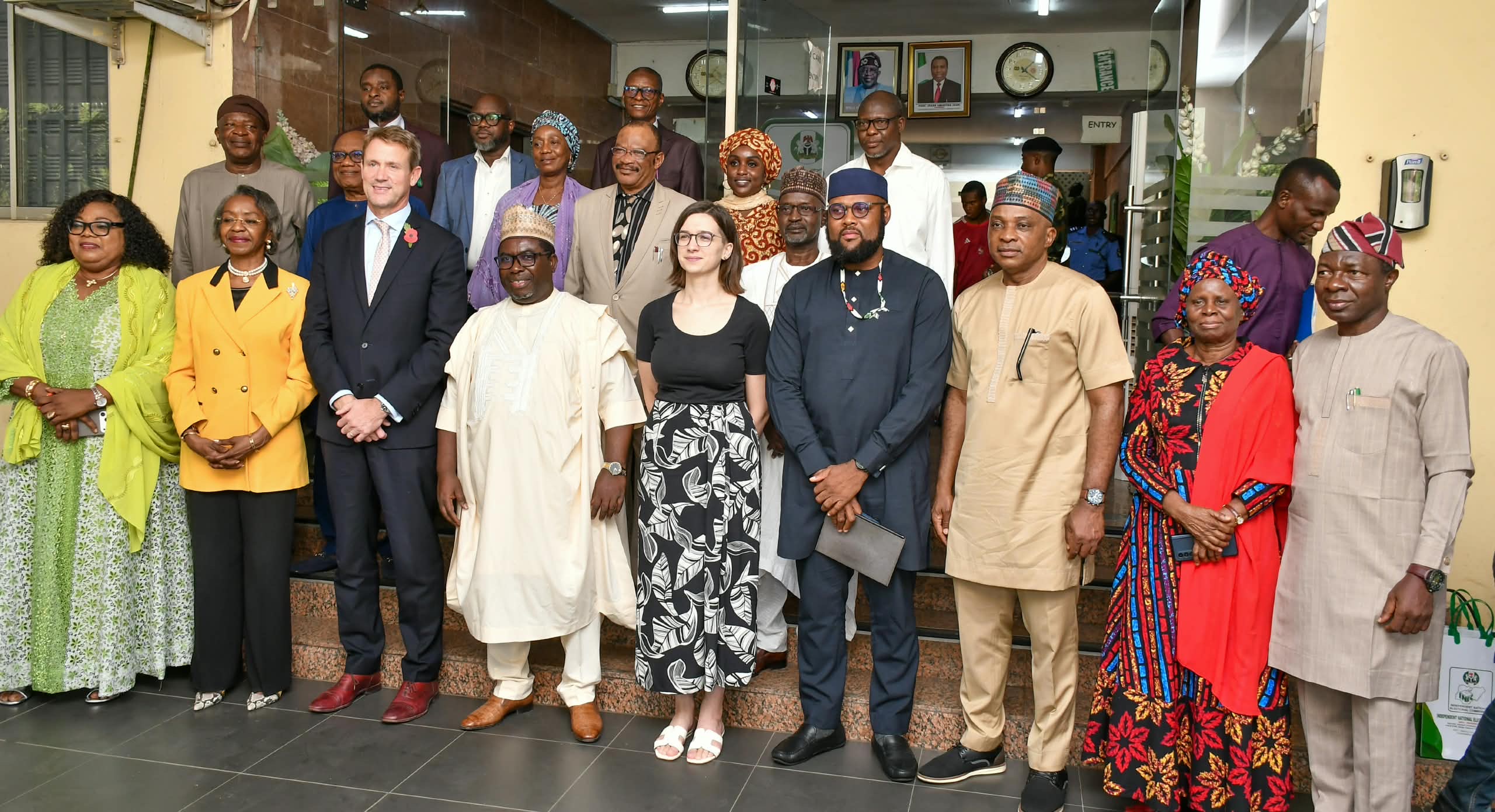
INEC Chairman, Prof. Joash Amupitan, SAN, raised the concern on Wednesday when he received the Special Representative of the UN Secretary-General for West Africa and the Sahel and Head of the UN Office for West Africa and the Sahel (UNOWAS), Mr Leonardo Santos Simao, and the British High Commissioner to Nigeria, Mr Pete Vowles, during separate courtesy visits to the Commission’s headquarters in Abuja.
Amupitan identified Foreign Information Manipulation and Interference (FIMI) as one of the gravest threats to the 2027 elections, warning that foreign actors were increasingly deploying indirect methods, including lookalike platforms, to manipulate information and undermine public confidence in the electoral process.
He described the development as a major challenge to Nigeria and the wider West African region, noting that INEC’s recent research had revealed a growing trend of foreign-driven information manipulation across the sub-region.
The chairman consequently sought international collaboration on rapid-response mechanisms and public awareness campaigns to counter foreign disinformation, AI-driven manipulation, fake news and hate speech.
He disclosed that the Commission was already engaging traditional rulers and other stakeholders through local and zonal sensitisation programmes to educate electoral officials and the public on the dangers of misinformation, disinformation and the misuse of artificial intelligence.
Amupitan also requested UN assistance in establishing early-warning and monitoring systems, facilitating high-level dialogue among political actors to prevent electoral violence, and supporting programmes that promote the participation of women, youths and vulnerable groups.
He said INEC was working with security agencies through its Election Risk Management (ERM) tool to identify and map areas vulnerable to electoral violence for appropriate preventive measures.
On preparations for the 2027 elections, the INEC chairman disclosed that nine of the 14 key activities in the revised electoral timetable had been completed, adding that the Commission had moved from strategic planning to rigorous implementation.
He said the National Register of Voters had exceeded 103 million, with young Nigerians aged between 18 and 34 accounting for nearly 29 per cent of the electorate.
According to him, the final register of voters would be published on December 15, 2026, while the distribution of Permanent Voter Cards was ongoing across the 774 local government areas, with collection points decentralised to ward level.
Amupitan further revealed that the Commission’s Candidates Nomination Portal had processed submissions from 21 of the 22 registered political parties, covering presidential, governorship, National Assembly and State House of Assembly contests.
He also disclosed that INEC had secured 57,000 Bimodal Voter Accreditation System (BVAS) devices, with shipments already arriving for batch testing and configuration.
The Commission, he said, was procuring ballot boxes and voting cubicles for the 176,846 polling units nationwide and making arrangements with the Nigeria Customs Service and other port authorities for expedited clearance of electoral materials.
The INEC chairman appealed for additional support to expand the scope of the planned mock accreditation and election exercise, noting that budgetary constraints had limited its coverage despite its importance in testing the Commission’s technology and operational preparedness.
Responding, the UN envoy, Simao, assured INEC of the organisation’s support, stressing that the 2027 elections should not become another source of violence for Nigeria.
He disclosed that UNOWAS had engaged political parties, candidates and government institutions on the country’s electoral preparedness, adding that the UN would maintain a presence during the elections to encourage positive conduct.
Simao, however, clarified that the organisation would not participate as election observers because it lacked the mandate to do so.
He noted that successful elections in Nigeria would serve as an inspiration to other countries in the West African sub-region.
Also speaking, the British High Commissioner, Vowles, reaffirmed the importance of Nigeria’s democracy to its citizens, the region and the international community.
He described the 2027 elections as an important opportunity for Nigeria to demonstrate how democracy could operate in a large and diverse country.
Amupitan assured both delegations of INEC’s commitment to conducting a credible, transparent and inclusive 2027 General Election, declaring that the Commission remained resolutely independent and impartial.