Against the backdrop of renewed concerns over the state of Nigeria’s democracy and political culture, former Bayelsa State Governor and National Leader of the National Democratic Congress (NDC), Senator Seriake Dickson, has called for a fundamental renewal of the country’s political system.
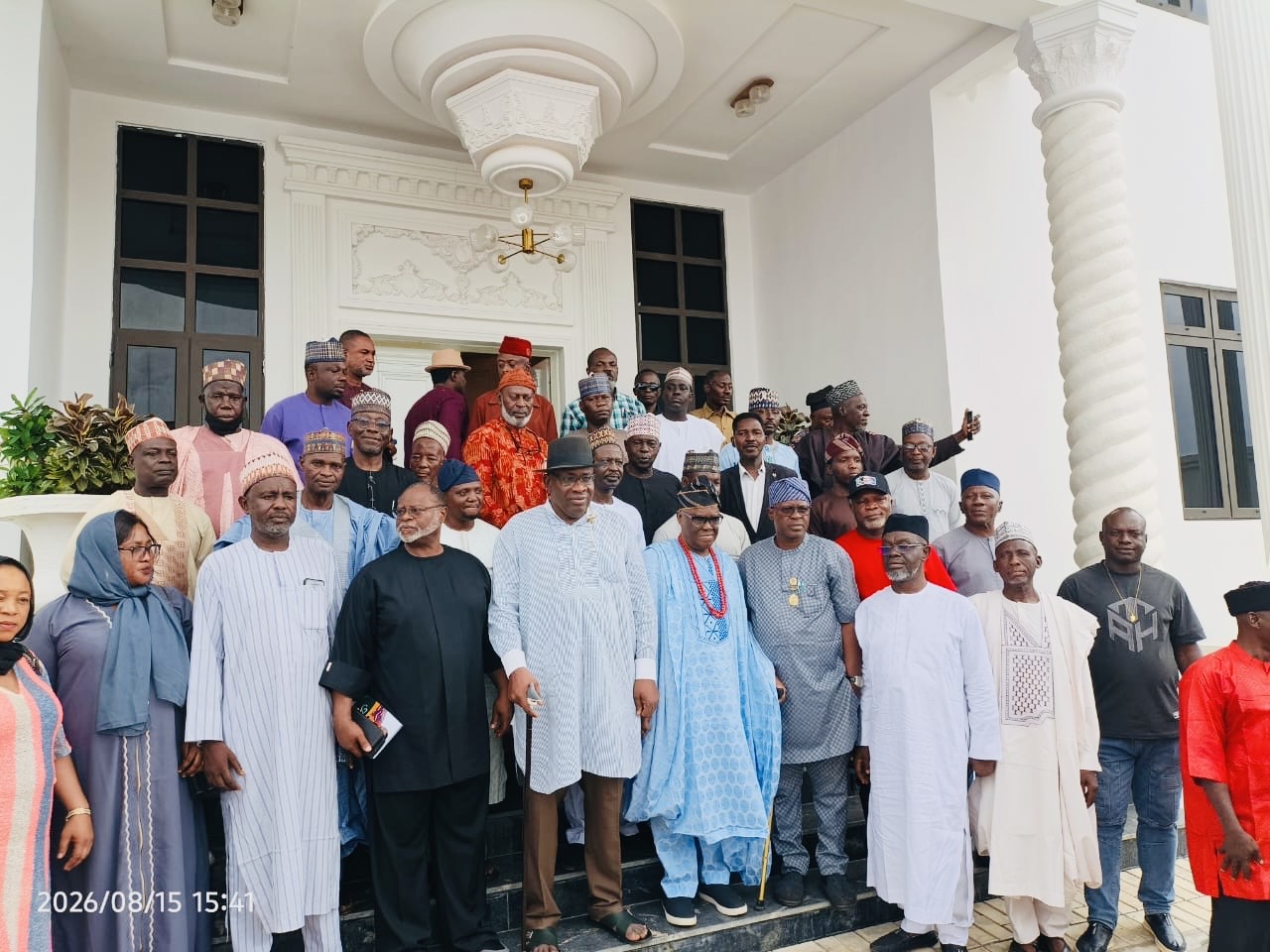
Dickson made the call in Abuja at a reunion of former leaders and associates of the Alliance for Democracy (AD), held under the theme, “Reclaiming Our Moral Mandate: A National Democratic Conversation for a Reborn Polity.”
He urged political leaders to return to the ideals of sacrifice, integrity, ideology and service that characterised Nigeria’s early democratic struggles, stressing that politics must once again be driven by conviction and commitment rather than financial inducement.
Dickson recalled that during the formative years of the AD, money was not the dominant currency of political participation, as members were largely motivated by ideals, values and a commitment to public service.
“Money was not the most important currency of politics at that time. What was important then was ideals, values and commitment,” he said.
He noted that despite limited financial resources, the AD was able to defeat powerful political interests and win elections across the six South-West states through grassroots mobilisation and ideological commitment.
According to him, “We did not have the resources that many of the political parties had, but we had something that money could not buy. We had conviction, we had commitment and we had people who were prepared to sacrifice for what they believed in.”
The former governor said his experience in building the AD in Bayelsa State further demonstrated what could be achieved when political participation was driven by a genuine desire to serve the people.
He said, “In Bayelsa, we demonstrated that politics could still be built around service. People gave their time, their resources and their energy because they believed that politics was about making a difference in the lives of the people.”
Dickson said members of the movement often personally funded political activities and supported candidates who lacked the financial capacity to contest elections, demonstrating the level of sacrifice that characterised the political generation.
“Many of us contributed from our own pockets. We supported candidates who did not have the resources to contest. We were not waiting for somebody to give us money before we could participate in politics,” he stated.
He stressed the need to properly document the sacrifices of that generation, noting that many Nigerians occupying positions of authority today benefited from the struggles of those who fought for democratic rule.
“We must document our history because a new generation needs to know that the democracy we enjoy today did not come on a platter of gold. People sacrificed, people suffered and people stood for principles,” he said.
Dickson said the reunion was therefore not simply an occasion to reminisce about the past, but an opportunity to draw lessons from previous political experiences and apply them to the task of rebuilding Nigeria’s democratic system.
He said, “This is not just a reunion for nostalgia. It is a conversation about what went wrong, what we got right and what we can do differently to restore the moral foundation of our politics.”
Dickson identified true federalism, constitutional democracy, restructuring, equitable resource allocation and environmental justice as some of the principles that shaped the political outlook of the AD generation.
He maintained that those principles remained relevant to Nigeria’s political development, stressing that political parties should be defined by clear ideological positions and programmes rather than the pursuit of power for its own sake.
“We must bring back ideology into politics. People should know what a political party stands for. You cannot build a democracy where the only objective is to win elections and distribute positions,” he said.
He also urged political actors to retain the courage to hold governments accountable, stressing that politicians should not automatically support those in power but must be prepared to support policies they consider beneficial to the people and oppose those they believe are inimical to the public interest.
“If we support what you do, we say we are supporting you. If we disagree with what you do as politicians, we speak against you. We organise against you. That is the calling of a politician,” Dickson said.
He warned against a political culture in which personal interests and access to government influence determine political allegiance.
“Politics is not about following whoever is in government. Politics is about principles. If the government does something that is good, support it. If it does something that is wrong, have the courage to say so,” he stated.
Dickson explained that the philosophy behind the establishment of the NDC was also influenced by the values of selfless service, ideological consistency and team building that characterised the AD movement.
He said the lessons of the past should guide contemporary political engagement, adding that political actors must be willing to build institutions and movements that transcend individual personalities.
The former governor called for the preservation of the political legacy of the older generation, stressing that genuine political ideals should survive changes in political parties, governments and circumstances.
“Our ideals must not die because a particular party has changed or because people have moved from one political platform to another. The principles must remain,” he said.
Dickson said the Abuja reunion represented the first step towards reconnecting members of the political generation, adding that several former colleagues who were unable to attend had expressed interest in participating in a larger gathering.
He said the ultimate objective should be to revive a political culture in which ideas take precedence over money, principles over convenience and public service over personal gain.
“We want to see a Nigeria where ideas matter again, where principles matter again and where people who enter politics understand that public office is a responsibility and not an opportunity for personal enrichment,” Dickson said.