

Nigeria has called for greater unity among African countries to strengthen the continent’s influence in global telecommunications governance, urging member states to adopt a common position ahead of the 2026 International Telecommunication Union (ITU) elections.
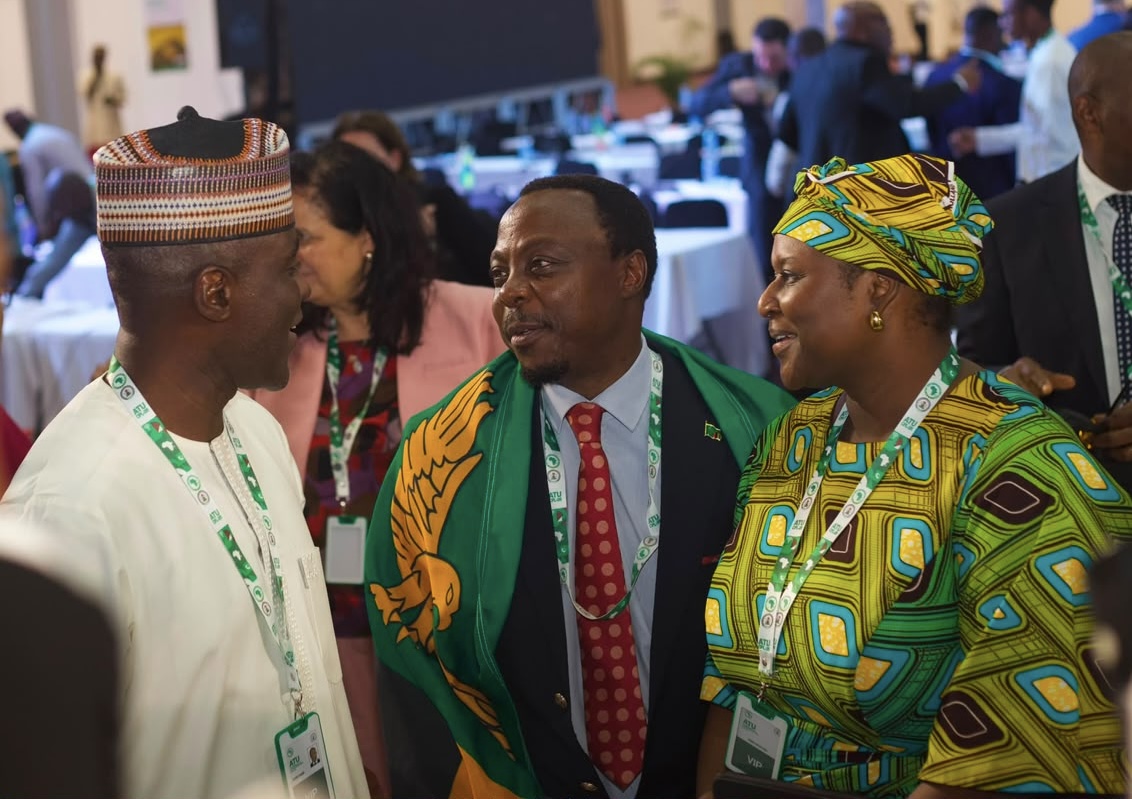
According to an official statement signed by the Director of Public Affairs of the Nigerian Communications Commission (NCC), Mrs. Nnenna Ukoha, the call was made at the Seventh Ordinary Session of the African Telecommunications Union (ATU) Conference of Plenipotentiaries in Abuja, where policymakers, regulators and industry leaders from across Africa gathered to deliberate on the continent’s digital future and strategy for upcoming international telecommunications engagements.
Representing Vice President Senator Kashim Shettima, the Deputy Chief of Staff to the President (Office of the Vice President), Senator Ibrahim Hassan Hadejia, said Africa’s competitiveness in the global digital economy would depend largely on its ability to deepen regional cooperation and harness emerging technologies.
He noted that broadband infrastructure, artificial intelligence, cloud computing, satellite communications and secure digital networks have become critical drivers of economic growth, innovation and efficient public service delivery, stressing that no African nation could achieve its digital ambitions in isolation.
Hadejia called for stronger collaboration among African countries to expand connectivity, strengthen cybersecurity and promote responsible innovation, describing continental cooperation as essential to shaping Africa’s digital future.
Minister of Communications, Innovation and Digital Economy, Dr. Bosun Tijani, also urged African countries to coordinate their participation in global digital policy and innovation ecosystems to ensure the continent’s interests are adequately represented.
He highlighted the launch of the APLAS Network, which builds on Nigeria’s N-ATLAS initiative to accelerate the development of locally relevant large language models and improve the representation of African languages in artificial intelligence technologies.
According to the minister, sustained investment in indigenous innovation is necessary to ensure emerging technologies reflect Africa’s unique realities, cultures and development priorities.
The Executive Vice Chairman and Chief Executive Officer of the NCC, Dr. Aminu Maida, described the conference as a strategic platform for building consensus on issues affecting Africa’s telecommunications sector and its representation in global institutions.
He emphasized that Africa’s ability to advance its interests internationally would be significantly strengthened through a united approach, particularly ahead of elections into key positions within the ITU.
“This is a very important moment for us in Nigeria, especially because of the elections coming up in which we will be contesting for some positions. As I mentioned during the opening ceremony, Africa’s unity in taking decision is important as we move forward and secure our place in the telecommunications sector,” Maida said.
He reaffirmed Nigeria’s commitment to promoting regional cooperation and supporting initiatives aimed at strengthening Africa’s voice in global telecommunications policy, adding that closer collaboration among African administrations would accelerate digital inclusion, expand infrastructure and position the continent to benefit from emerging opportunities in the digital economy.
Also speaking, the Secretary-General of the African Telecommunications Union, John Omo, commended Nigeria for successfully hosting the conference and stressed the need to sustain a unified African voice in advancing the continent’s telecommunications and digital development agenda.
Similarly, the Secretary-General of the International Telecommunication Union, Doreen Bogdan-Martin, called for stronger African participation in shaping the global digital agenda, urging the continent to become a creator, innovator and contributor to future technologies and international standards.
The conference also served as a platform for African candidates and member states seeking election or re-election to positions within the ITU ahead of the 2026 ITU Plenipotentiary Conference, with participants agreeing that a united African position remains critical to advancing the continent’s telecommunications, innovation and digital development priorities.
Nigeria’s hosting of the conference further underscored its commitment to strengthening regional cooperation, accelerating digital transformation and promoting a stronger African presence in global telecommunications governance.