The Federal Government has reaffirmed its commitment to deepening bilateral trade and economic relations with the Republic of Uganda through the revitalisation of the Nigeria–Uganda Joint Permanent Commission (JPC).
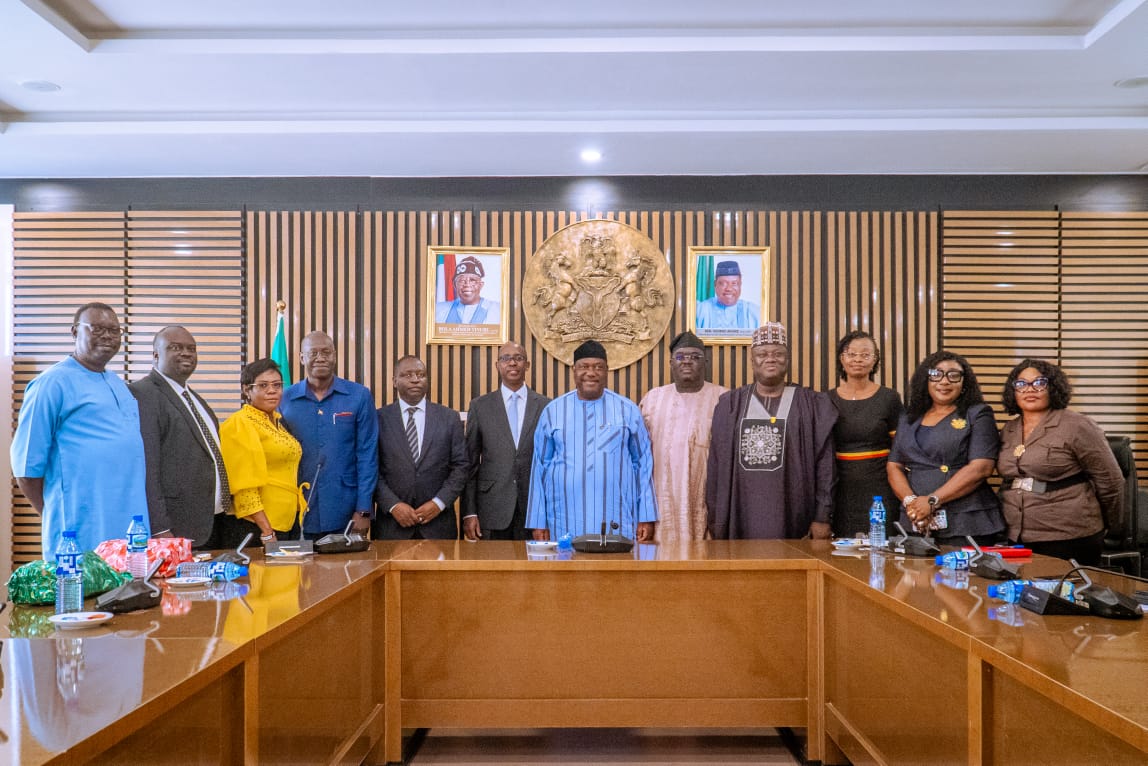
According to an official statement signed by Chris Ugwuegbulam, Head, Information and Public Relations Department, the Secretary to the Government of the Federation (SGF), Senator George Akume, gave the assurance while receiving a Ugandan delegation led by the Senior Presidential Advisor to the President of Uganda on Exports and Industry, Mr. Odrek Rwabwoyo, during a meeting in Abuja on Tuesday.
Senator Akume emphasised the importance of leveraging Africa’s diversity and growing population to drive sustainable economic growth and development across the continent.
He said the ongoing economic reforms of President Bola Ahmed Tinubu are focused on private sector-led growth, improving the ease of doing business, expanding infrastructure and promoting investment.
The SGF highlighted measures introduced by the Federal Government to streamline taxation, unify the foreign exchange system and improve transportation infrastructure to create a more competitive environment for businesses and investors.
He stressed that adding value to Africa’s abundant natural resources remains critical to industrialisation, job creation and economic transformation across the continent.
Speaking during the meeting, Uganda’s Senior Presidential Advisor to the President on Exports and Industry, Mr. Odrek Rwabwoyo, highlighted his country’s economic potential in coffee production, dairy products, livestock and cotton. He invited Nigerian investors to explore opportunities in agro-processing, textile manufacturing, mineral beneficiation and other value-added industries.
Also speaking, Uganda’s Minister of State for Trade, Industry and Cooperatives, Hon. Bahati David, called for deeper bilateral trade and economic relations through the establishment of the Nigeria–Uganda Joint Permanent Commission.
He advocated the easing of visa requirements, particularly for holders of official and diplomatic passports, while expressing optimism that Africans would eventually enjoy visa-free travel across the continent.
The minister also proposed the renewal of expired Memoranda of Understanding between Nigeria and Uganda in areas including education and defence, as well as the negotiation of new agreements on investment protection and the avoidance of double taxation to encourage greater business collaboration.
He further underscored the importance of the African Continental Free Trade Area (AfCFTA), urging African countries to leverage their comparative advantages and expand intra-African trade rather than rely on imports from outside the continent.