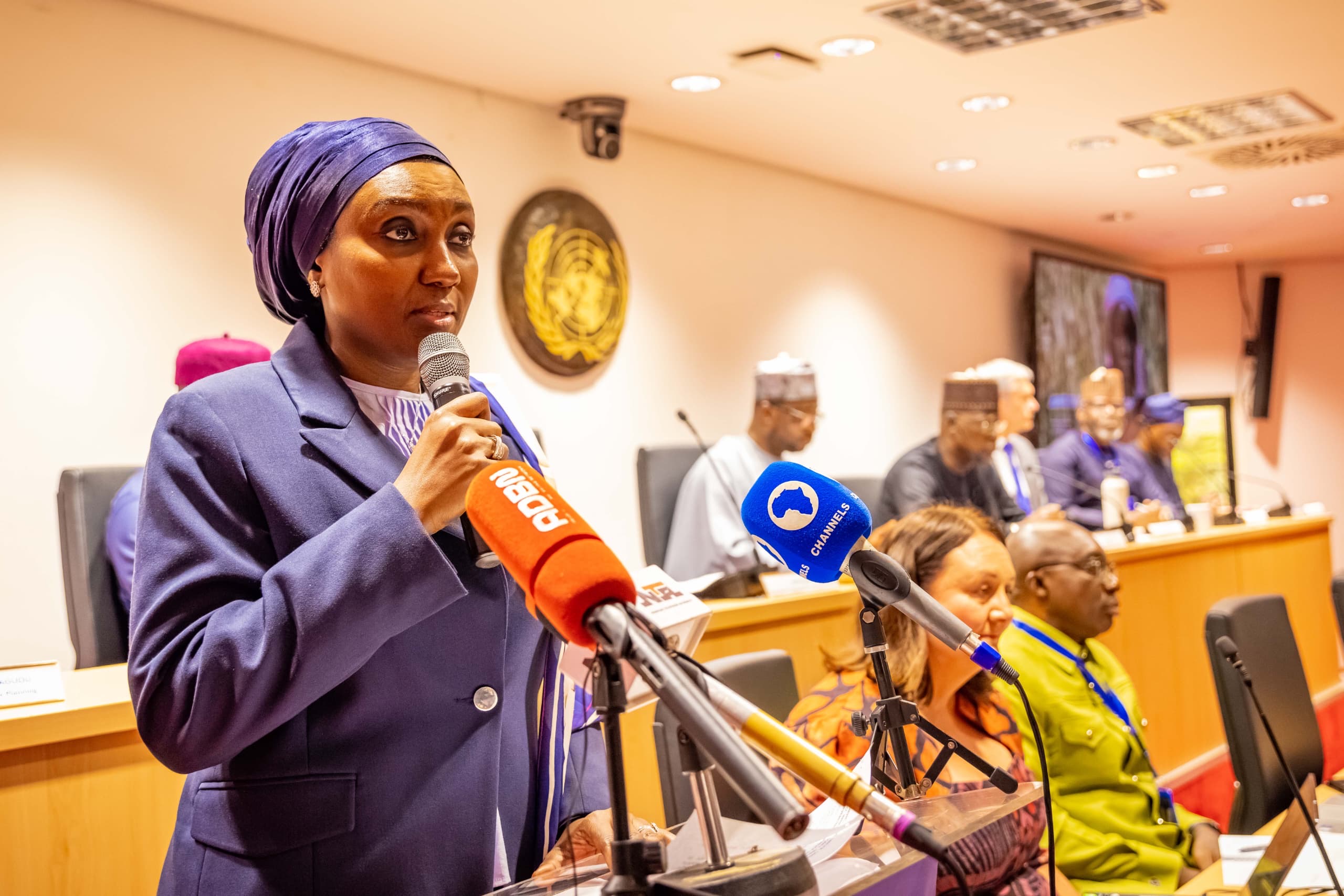
The Director General of the National Emergency Management Agency (NEMA), Mrs. Zubaida Umar, has reaffirmed the Agency’s commitment to supporting Nigeria’s humanitarian transition in line with its statutory mandate of coordinating disaster management and humanitarian response across the country.
Mrs. Umar made the commitment on Tuesday during the opening of the Humanitarian Transition Workshop organised by the United Nations Office for the Coordination of Humanitarian Affairs (UNOCHA) in Abuja.
She described the workshop as a timely platform for developing a joint action plan that would strengthen a nationally led, sustainable and people-centred humanitarian system in Nigeria.
The NEMA Director General said the humanitarian transition aligns with the Agency’s statutory responsibility and reiterated its commitment to providing strategic leadership in disaster management through effective coordination, anticipatory action, enhanced preparedness, reliable data, sustainable partnerships and collaboration across all levels of government.
According to an official signed statement by the Head, NEMA Press Unit, Manzo Ezekiel, Mrs. Umar said the workshop provided stakeholders with an opportunity to jointly develop practical strategies for strengthening federal and state institutions, improving coordination mechanisms, enhancing preparedness, and ensuring humanitarian interventions remain accountable, inclusive and responsive to the needs of vulnerable populations.
She assured participants that NEMA would continue to work closely with the United Nations, State Emergency Management Agencies (SEMAs), development partners and other relevant stakeholders to advance a coordinated, resilient and nationally owned humanitarian system.
Speaking at the event, the Minister of Humanitarian Affairs and Poverty Reduction, Dr. Bernard Doro, acknowledged the changing global humanitarian landscape, noting that it has made the humanitarian transition process imperative.
He called on state and local governments, the private sector, development partners and Nigerians in the diaspora to regard the transition as a shared responsibility and mobilise resources to support vulnerable communities across the country.
Also speaking, the United Nations Resident Coordinator in Nigeria, Dr. Mohamed Malik Fall, assured participants that the humanitarian transition does not signify the withdrawal of the United Nations from Nigeria.
Rather, he explained that the transition represents a strategic shift aimed at enabling Nigerian institutions to assume greater leadership in humanitarian interventions, while the United Nations continues to provide technical expertise, capacity building and other critical support.
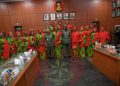
The workshop brought together representatives of federal and state government institutions, United Nations agencies, development partners, civil society organisations and other key stakeholders to deliberate on strategies for strengthening nationally led humanitarian action and ensuring a smooth, coordinated transition towards sustainable and locally driven humanitarian response in Nigeria.