The National Information Technology Development Agency (NITDA) and TikTok have launched a strategic partnership aimed at equipping Nigerian Small and Medium Enterprises (SMEs) with digital commerce skills, tools, and opportunities to enhance their competitiveness in the digital economy.
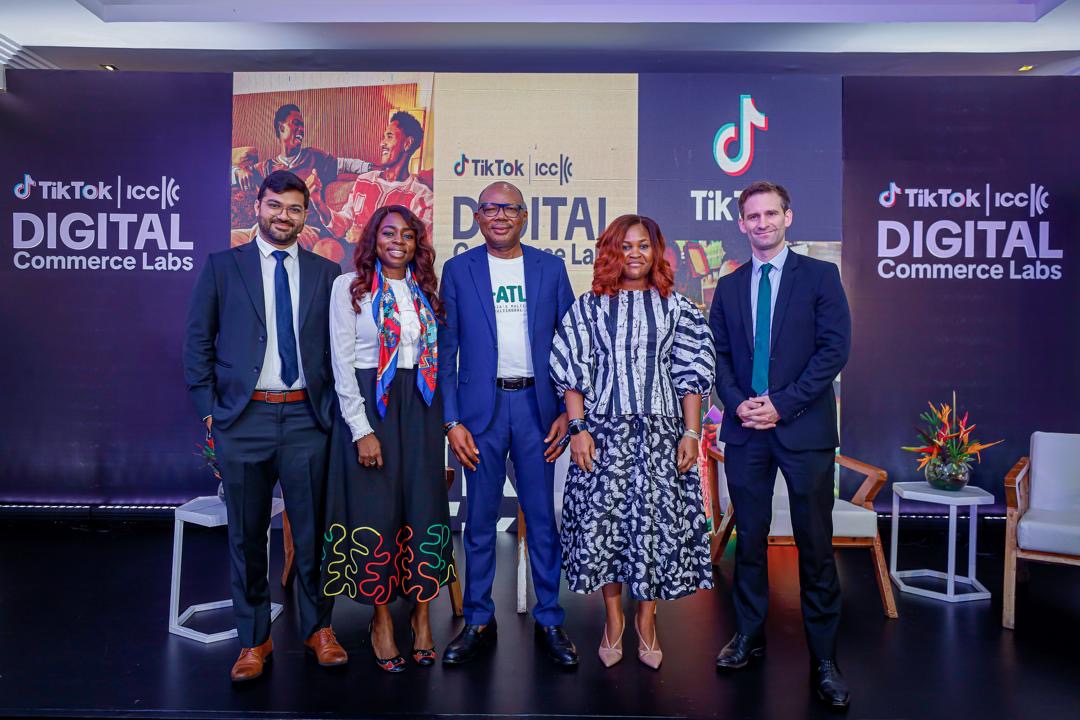
The partnership was unveiled during the launch of the TikTok Digital Commerce Labs Programme for SMEs in Lagos on June 18, 2026. The event brought together stakeholders from government, the private sector, entrepreneurship support organisations, and the broader digital ecosystem to explore innovative ways of empowering Nigerian businesses through technology.
Representing the Director-General and Chief Executive Officer of NITDA, Kashifu Inuwa Abdullahi, CCIE, at the event, the Director of Stakeholder Management and Partnerships, Dr Aristotle Onumo, described digital commerce as a critical driver of economic inclusion and business growth, stressing that digital skills have become indispensable for business survival and competitiveness.
According to him, the future of commerce is increasingly digital, and entrepreneurs who embrace technology will be better positioned to access larger markets, improve productivity, and create sustainable wealth.
He noted that despite Nigeria’s vast pool of innovative and hardworking entrepreneurs, many small businesses still lack the digital capabilities required to fully leverage opportunities within the digital economy.
“Today, a young entrepreneur with a smartphone can reach customers beyond geographical boundaries, build a brand, market products globally, and create economic opportunities that were previously unimaginable. Our responsibility is to ensure that every entrepreneur, regardless of location, has access to the digital skills and tools needed to succeed in this new economy,” he said.
A major highlight of the event was the announcement of a collaborative programme between NITDA and TikTok to expand digital commerce training for SMEs nationwide.
Under the initiative, TikTok has committed an initial investment of approximately 20,000 US dollars to support a pilot Train-the-Trainer Programme. The programme will leverage NITDA’s Digital Literacy for All (DL4ALL) network to deliver digital commerce training to entrepreneurs, particularly those in remote and underserved communities.
Inuwa commended TikTok for its commitment to entrepreneurship and digital inclusion, describing the initiative as a practical demonstration of how technology platforms can contribute meaningfully to economic empowerment and national development.
He stated that the collaboration aligns with NITDA’s Strategic Roadmap and Action Plan (SRAP 2.0), particularly its objectives of advancing digital literacy, promoting innovation, supporting entrepreneurship, and fostering inclusive economic growth.
The NITDA Director-General further emphasised that technology should be viewed not only as a tool for communication and entertainment but also as a platform for creating opportunities, generating income, and transforming lives.
“Technology is most powerful when it empowers the least connected, creates opportunities for the underserved, and transforms potential into prosperity,” he stated.
Industry stakeholders at the event described the initiative as timely, especially as businesses increasingly rely on digital platforms to engage customers, expand operations, and access new markets.
The TikTok Digital Commerce Labs Programme is expected to strengthen the digital capabilities of SMEs, improve access to digital opportunities, and contribute to the growth of Nigeria’s digital economy by enabling entrepreneurs to harness technology for business development.
The launch further reinforces NITDA’s vision of building a digitally empowered nation driven by technological innovation, where individuals, startups, and businesses can leverage digital tools to create value, generate employment, and contribute to national prosperity.
Stakeholders expressed optimism that partnerships such as the NITDA-TikTok collaboration will play a significant role in accelerating Nigeria’s transition into a leading digital economy in Africa while expanding economic opportunities for millions of citizens.