In today’s security landscape, wars are no longer fought only with bullets, boots and battalions. Increasingly, they are being contested in the invisible but highly volatile space of information, where a single manipulated image, synthetic video or false narrative can trigger panic, distort reality and undermine even the most carefully planned military operations.
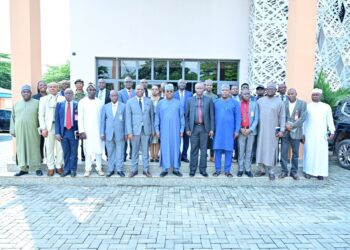
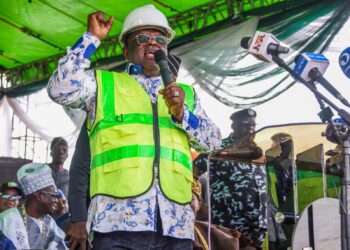
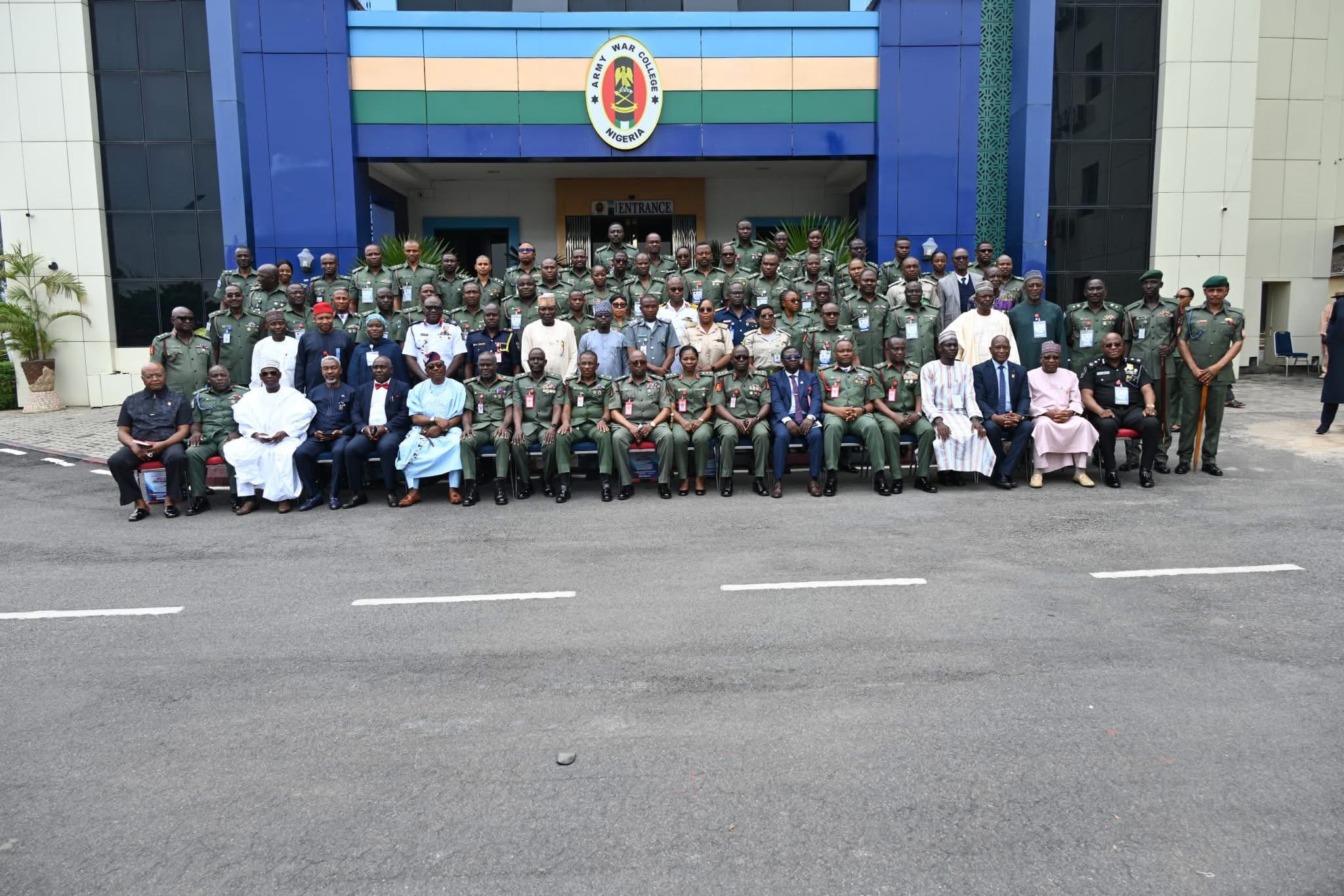
That warning formed the central concern at the Directorate of Army Public Relations (DAPR) Combined First and Second Quarters 2026 Media Workshop in Abuja, where military communication experts, media professionals and academics converged to interrogate the growing intersection between artificial intelligence, disinformation and national security.
Under the theme “Media Integration as a Force Multiplier for Joint and Multi-Agency Operations Success,” participants examined how rapidly evolving digital technologies are reshaping public communication, operational security and institutional credibility in an era where misinformation spreads faster than official clarifications.
Speakers at the workshop described the current information ecosystem as an emerging theatre of conflict, where artificial intelligence has significantly lowered the barrier for generating convincing fake content. Deepfakes, altered photographs and fabricated statements, they noted, now circulate across digital platforms with alarming speed, often blurring the line between truth and deception before verification can occur.
A key concern raised was the speed at which false narratives now travel compared to traditional fact-checking systems. According to participants, what once required days of verification can now influence global audiences within minutes, creating serious challenges for security agencies trying to maintain order and public confidence during crises.
The implications, they warned, are particularly severe for military operations, where misinformation can compromise missions, mislead the public and erode trust in institutions responsible for national defence.
Dr. Walter Duru of Achievers University, Owo, in his paper on leveraging integrated communication platforms, underscored the need for stronger coordination mechanisms that can reinforce public trust and improve inter-agency synergy. His presentation set the tone for broader discussions on how strategic communication must evolve alongside technological disruption.
During a panel session moderated by Lt. Col. D.J. Danjuma, with contributions from retired Major General A.C. Olukolade and Professor Okey Ikechukwu, participants stressed that artificial intelligence has fundamentally altered the communication environment. They observed that the ease with which realistic but false content can now be generated poses a direct threat to institutional credibility and public order.
One participant captured the challenge succinctly, noting that the problem is no longer access to information but the ability to verify authenticity in real time.
Beyond diagnosis, the workshop produced strong calls for institutional reform. A major recommendation was the establishment of a National Crisis Communication Hub that would serve as a central platform for coordinating information during emergencies and national security incidents.
The proposed structure would integrate government agencies, regulatory bodies, media organisations and fact-checking platforms to enable rapid verification, unified messaging and timely dissemination of credible information. Stakeholders argued that fragmented communication systems currently create gaps that are easily exploited by disinformation networks.
Alongside concerns about digital misinformation, military communication professionals also raised structural issues within security institutions. They expressed concern that public relations officers are often excluded from early-stage operational planning, despite the increasing importance of information management in modern warfare.
According to them, communication specialists are frequently engaged only after operational decisions have been concluded, limiting their ability to anticipate narrative risks or shape public perception effectively.
A senior officer at the workshop observed that communication can no longer be treated as a post-operation function, stressing instead that it must be embedded from the planning stage to ensure strategic coherence and public accountability.
Participants also drew on lessons from past peacekeeping missions, including Nigeria’s operations in Sierra Leone, where inadequate communication planning reportedly complicated mission outcomes. Such experiences, they noted, reinforce the need for communication to be treated as a core operational component rather than an auxiliary function.
The workshop further highlighted the shifting perception of public relations within security architecture. Delegates argued that strategic communication is now a critical pillar of national defence, not merely an administrative support role. They noted that leading military institutions globally now integrate narrative management, public engagement and information control into operational doctrine.
In addition, participants called for deeper engagement between security agencies and the media beyond frontline journalists, urging stronger relationships with editors and newsroom decision-makers who ultimately shape how information is framed and disseminated to the public.
The discussion also acknowledged the economic pressures confronting media organisations, noting that evolving newsroom realities continue to influence content production, verification processes and editorial decisions.
Another key outcome was the emphasis on measurable communication strategies. Experts argued that institutions must adopt performance indicators to assess public trust, audience engagement and message effectiveness, warning that without such tools, communication efforts risk becoming reactive rather than strategic.
As the workshop drew to a close, a sobering consensus emerged: the nature of conflict is changing faster than many institutions are prepared for. Participants warned that future threats may not only emerge from conventional battlefields but increasingly from digital ecosystems where perception can be as powerful as physical force.
In this emerging reality, national security will depend not only on military strength, but on the ability of institutions to defend truth in an environment where artificial intelligence can manufacture convincing falsehoods and where misinformation can cross borders in seconds.
The battlefield, they concluded, is no longer just physical. It is informational, psychological and increasingly algorithmic, and the side that masters it will shape the outcomes of modern conflict.