By Nkechi Eze
The Nigeria Customs Service has commenced a strategic capacity-building programme on Post-Clearance Audit under the WCO Accelerate Trade Facilitation Programme, reinforcing its drive to modernise customs operations, strengthen compliance and facilitate seamless trade in Nigeria.
The programme, which began on Monday, January 19, 2026, is being implemented in collaboration with the World Customs Organisation and the World Bank Group as part of sustained efforts to align Nigeria’s customs procedures with global best practices. It is designed to review previously agreed reform objectives, confirm implementation strategies and deepen institutional capacity, particularly in the critical area of Post-Clearance Audit.
Beyond reviewing progress already made, the mission provides a platform for identifying practical and sustainable steps to enhance efficiency, transparency and risk-based compliance management across customs operations, while supporting legitimate trade and safeguarding government revenue.
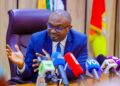
Speaking at the opening session, the Deputy Comptroller-General of Customs, Kikelomo Adeola, who represented the Comptroller-General of Customs, Adewale Adeniyi, described Post-Clearance Audit as a cornerstone of modern customs administration. She explained that an effective PCA framework enables informed risk management, strengthens voluntary compliance and allows trade facilitation to thrive without undermining revenue assurance.
“This mission underscores the strong partnership between the WCO and the Nigeria Customs Service. It reflects our shared commitment to strengthening PCA frameworks, enhancing officers’ technical competencies and institutionalising best practices that promote voluntary compliance while safeguarding revenue,” she said.
Drawing inspiration from renowned author Brian Herbert, Adeola added, “The capacity to learn is a gift, the ability to learn is a skill, but the willingness to learn is a choice. The Nigeria Customs Service has chosen to make PCA work in our country.”
Also speaking, James Clark, a Trade Facilitation Expert with the World Customs Organisation, commended the Nigeria Customs Service for the rapid progress recorded in its trade facilitation reforms. He noted that the Service’s efforts reflect a broader national commitment to improving the ease of doing business and aligning customs procedures with international standards.
“The creation of the PCA Manual was an impressive piece of work. Beyond that, the steps taken to operationalise it and your commitment to building a world-class PCA programme within the NCS have been remarkable,” Clark said.
“It is not an easy task to achieve what you have done. There is still more work ahead, but the progress recorded so far has been truly commendable.”
In her remarks, the Deputy Comptroller-General of Customs in charge of Tariff and Trade, Caroline Niagwan, highlighted the deliberate reforms undertaken by the Service to strengthen Post-Clearance Audit and risk management systems. She said the initiatives are targeted at improving compliance, enhancing revenue collection, facilitating legitimate trade and protecting Nigeria’s economic interests.
The Assistant Comptroller-General of Customs in charge of Post-Clearance Audit, Babatunde Olomu, described the week-long engagement as both timely and strategic, noting that it comes at a crucial point in the Service’s reform trajectory.
According to him, the programme will further strengthen institutional capacity in audit-driven compliance and support the Nigeria Customs Service’s broader objective of embedding transparency and efficiency in customs administration.
The WCO Accelerate Trade Facilitation Programme, which runs from January 19 to 23, 2026, underscores the Nigeria Customs Service’s sustained collaboration with international partners in advancing reforms that promote efficient trade, transparency and inclusive economic growth.