

By Nkechi Eze
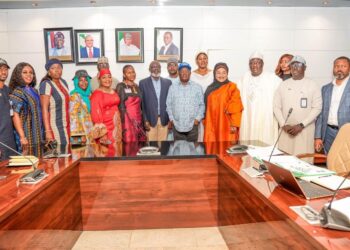
The Independent National Electoral Commission (INEC) has established a multi-agency Electoral Logistics Committee to strengthen election planning and ensure the timely movement of personnel and electoral materials ahead of the 2027 General Election.
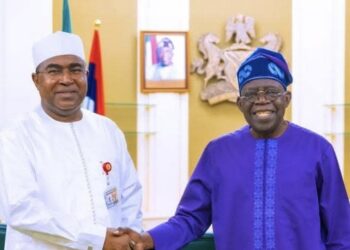
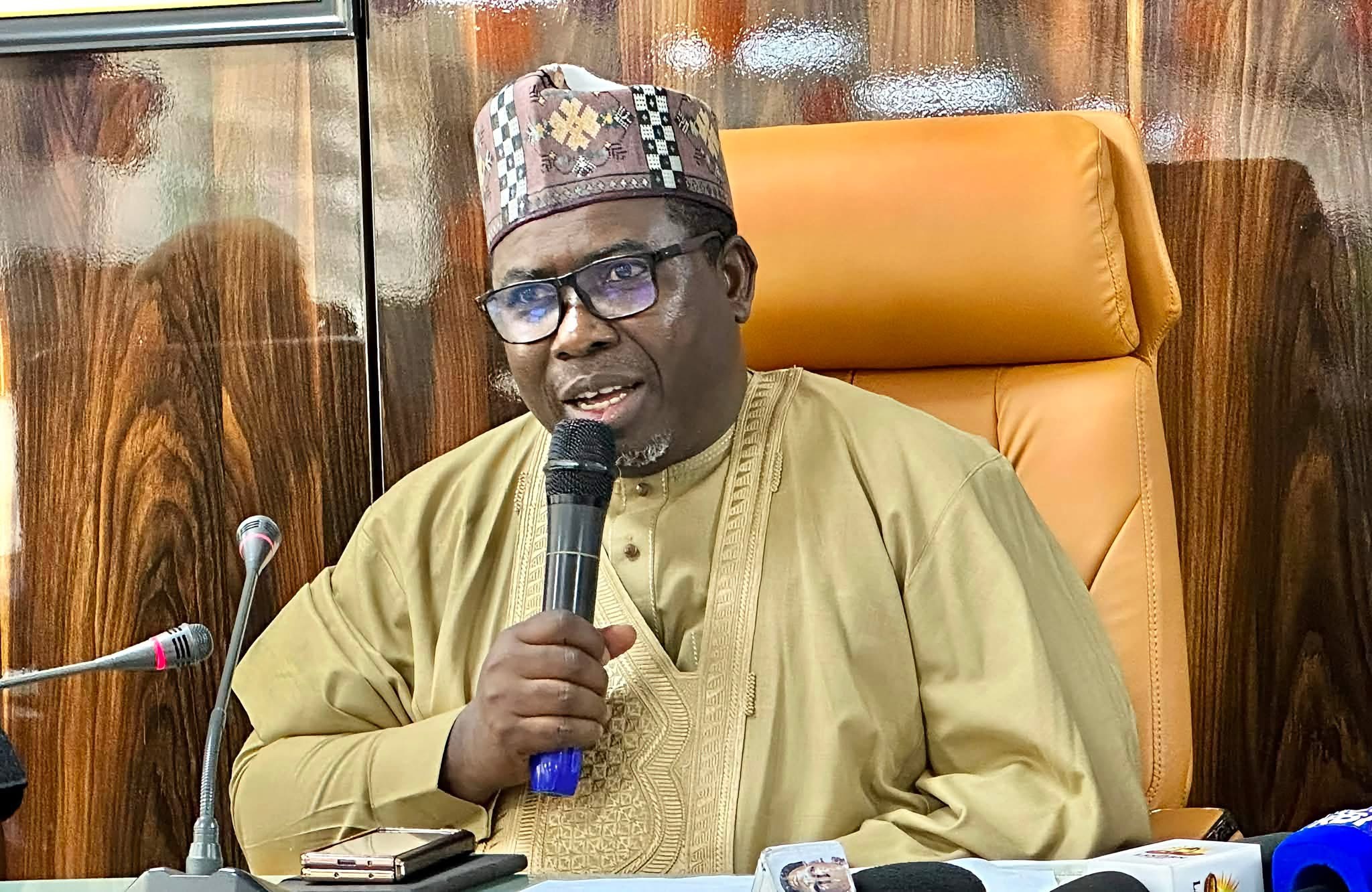
The committee was inaugurated by INEC Chairman, Professor Joash Amupitan, SAN, at the commission’s headquarters in Abuja on Thursday, October 15, 2026, with a mandate to improve logistics coordination, address operational challenges and prevent delays that could disenfranchise eligible voters.
Amupitan, who appointed Rear Admiral Jamila Malafa (Rtd.) as chairperson of the committee, said effective logistics management remained one of the most critical challenges in election administration, requiring strategic planning, operational efficiency and collaboration among relevant agencies.
He noted that the successful conduct of elections depended largely on the availability of electoral materials at designated locations and at the appropriate time, regardless of difficult terrain or prevailing security conditions.
The INEC chairman said the committee would assess the commission’s overall logistics requirements for the 2027 elections and develop a comprehensive framework for the storage, transportation, distribution, deployment and retrieval of electoral materials.
He explained that the committee would also inspect warehouses, vehicles and transportation facilities, including airports and seaports, to determine their readiness for the election and identify gaps requiring urgent attention.
According to him, the committee would recommend corrective measures, monitor compliance with approved logistics schedules and develop strategies to address transportation bottlenecks, material shortages and security threats that could disrupt election preparations.
Amupitan added that the committee would coordinate with INEC departments, state offices, security agencies, government institutions, transport unions and other relevant stakeholders to ensure the efficient movement of electoral materials nationwide.
He reaffirmed the commission’s determination to ensure that no eligible Nigerian was denied the opportunity to vote because of the late arrival of election materials.
In her remarks, the committee’s chairperson, Rear Admiral Malafa, described logistics as a fundamental pillar of the electoral process, stressing that effective planning and execution were essential to safeguarding electoral integrity and public confidence.
She said the committee would draw lessons from previous elections to develop a strategic logistics plan capable of addressing operational weaknesses and improving the timely deployment of personnel and materials across the country.
Malafa identified air and cargo transportation planning, ground transport coordination, security arrangements and risk mapping as key components of the committee’s assignment.
She explained that the logistics plan would cover the movement of election personnel and materials to state capitals and local government areas, including riverine communities where maritime transportation would be necessary.
The committee would also identify difficult terrains, security-challenged locations and areas vulnerable to crises to facilitate the development of appropriate transportation routes and tailored security arrangements.
Malafa emphasised that the success of the assignment would depend on effective cooperation among security organisations, government agencies, transport unions, aviation and maritime authorities, as well as INEC’s state offices.
She urged committee members to approach their responsibilities with patriotism, professionalism, speed and precision, noting that comprehensive planning and coordinated execution would be essential to achieving a seamless 2027 General Election.