


The Independent Corrupt Practices and Other Related Offences Commission (ICPC) has reaffirmed its commitment to deploying technology, innovation and strategic partnerships to strengthen the fight against corruption and promote integrity across Nigeria’s public sector.
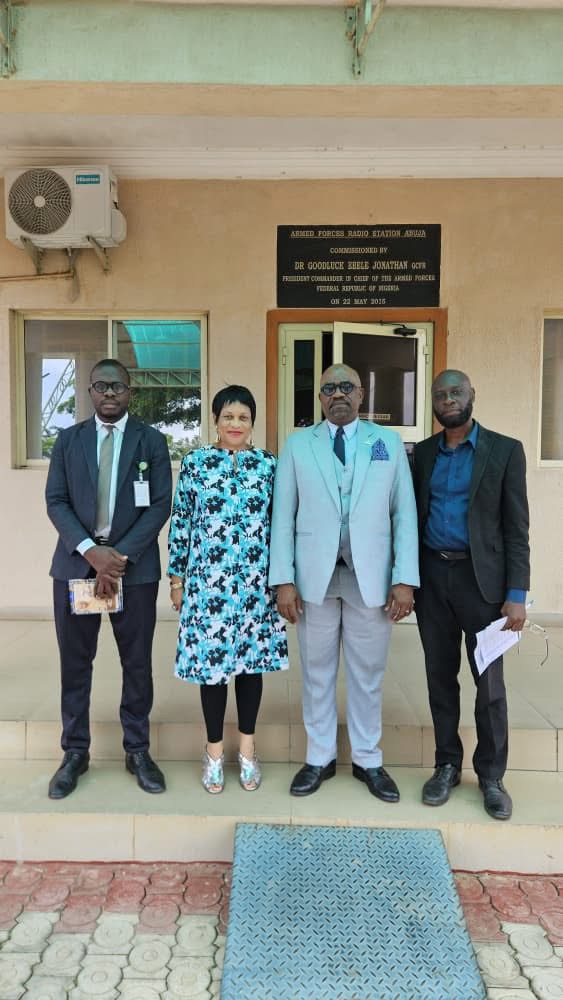
Speaking during a live programme on Armed Forces Radio in Abuja, the Commission’s Spokesperson and Head of Media and Public Communications, Mr. Okor Odey, highlighted a series of technology-driven initiatives that have enhanced the Commission’s capacity to prevent, detect and investigate corrupt practices.
Mr. Odey disclosed that the ICPC has increasingly integrated modern forensic and digital tools into its investigative processes, enabling more effective tracking of financial crimes and strengthening accountability mechanisms within government institutions.
He explained that the Commission also utilises technology as a preventive tool by monitoring and analysing transactions on key government financial platforms, including the Government Integrated Financial Management Information System (GIFMIS) and the Integrated Personnel and Payroll Information System (IPPIS), to promote transparency and curb financial irregularities.
According to him, one of the Commission’s most impactful interventions is the Constituency and Executive Projects Tracking Initiative (CEPTI), a technology-enabled project monitoring mechanism that has exposed abandoned, poorly executed, duplicated and non-existent projects across the country.
Mr. Odey noted that the initiative has facilitated the recovery of billions of naira worth of public assets while ensuring value for money in the execution of government-funded projects.
The ICPC spokesman also underscored the importance of the National Ethics and Integrity Policy (NEIP), describing it as a key framework for promoting ethical conduct and national development. He said the policy is anchored on seven core values—Human Dignity, Voice and Participation, Patriotism, Personal Responsibility, Integrity, National Unity and Professionalism—which are essential for building a corruption-resistant society.
He stressed that the Commission’s anti-corruption mandate extends beyond enforcement and prosecution to include value reorientation, behavioural change and institutional reforms aimed at addressing the root causes of corruption.
Mr. Odey further highlighted the critical role of partnerships in advancing the Commission’s objectives, noting that collaborations with civil society organisations, development partners and international institutions have strengthened capacity building, public enlightenment campaigns, policy reforms, research initiatives and technology adoption.
While commending citizens and stakeholders for their continued support, he called on Nigerians to take an active role in the anti-corruption campaign by reporting corrupt practices, demanding accountability from public officials and embracing ethical values in their daily activities.
He maintained that defeating corruption requires a collective national effort and urged all stakeholders to work together in building a society founded on integrity, accountability and transparency.