By Nkechi Eze
Humanitarian organisations have underscored the importance of ensuring that beneficiaries of the Deradicalisation, Rehabilitation and Reintegration (DRR) programme under Operation Safe Corridor successfully transition from structured rehabilitation into stable community life, stressing that sustained support, acceptance and economic empowerment remain critical to long-term peacebuilding efforts.
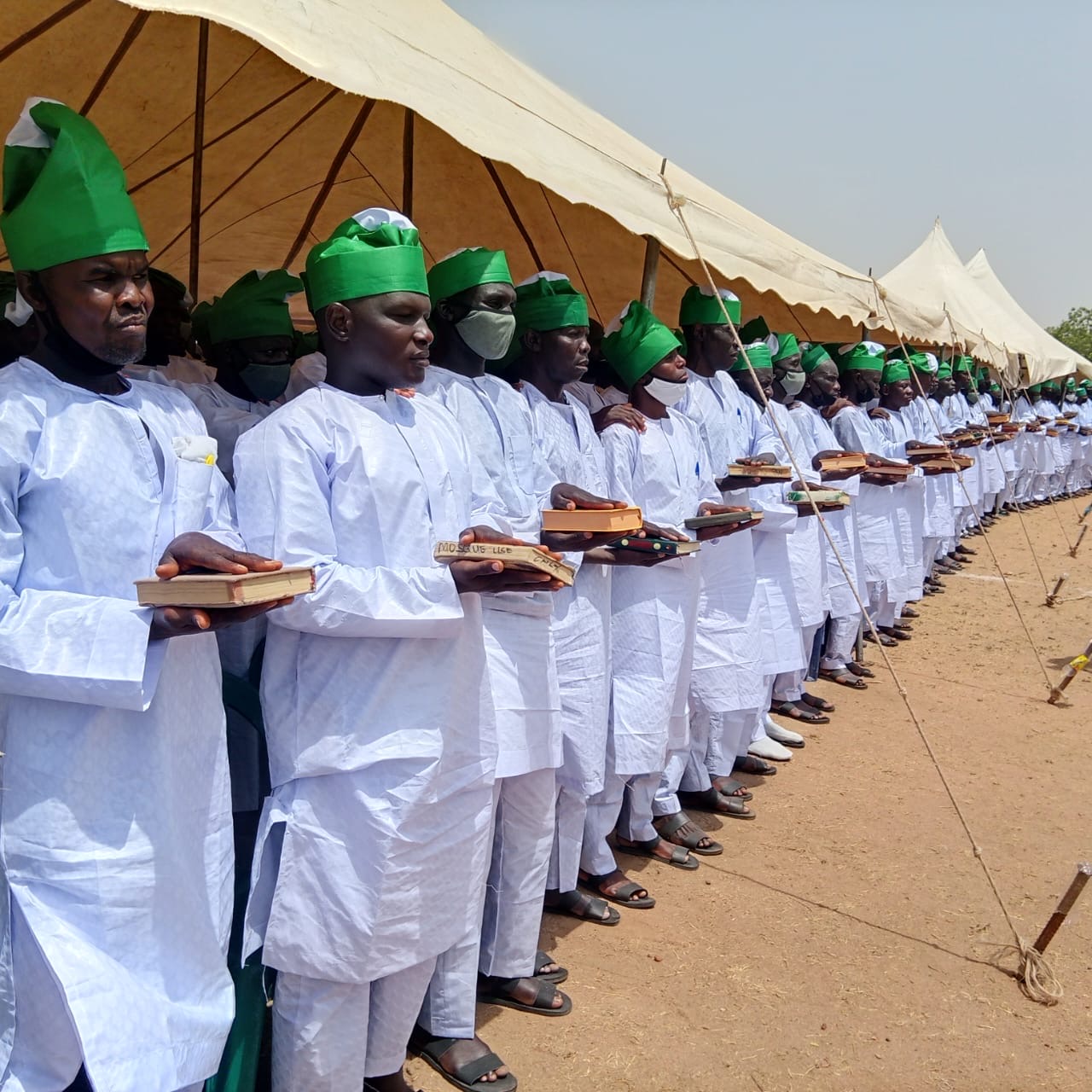
This position was reinforced at the graduation ceremony of 744 participants held at the Mallam Sidi Camp in Gombe State, where stakeholders including government agencies, international partners and development organisations renewed commitments to strengthening reintegration frameworks and consolidating gains made under the programme.
The International Organization for Migration (IOM), one of the key implementing partners, said the graduation reflected a shared responsibility among government institutions, donors and communities in promoting sustainable reintegration. Representing the organisation, Seve Diomande described the event as a milestone for both the participants and all stakeholders involved in peacebuilding efforts across the country.
He noted that IOM’s interventions under the programme have included infrastructure upgrades such as the construction of hostels, renovation of the multipurpose hall, expansion of dining facilities, establishment of clinic support structures and the development of a media hub. He also highlighted the provision of vocational training equipment, hygiene kits and psychosocial support services aimed at strengthening recovery and reintegration outcomes.
Diomande further disclosed that all graduating participants would receive business start-up kits to support their transition into civilian life, describing the initiative as essential for promoting self-reliance and sustainable livelihoods.
“As part of our continued commitment to sustainable reintegration, IOM will also provide business start-up kits for all graduating participants,” he said, adding that the support packages are designed to equip beneficiaries with practical tools to rebuild their livelihoods and remain economically productive within their communities.
He commended the resilience, determination and commitment demonstrated by the participants throughout the programme, reaffirming IOM’s dedication to supporting durable solutions that promote peace, stability and inclusive development.
The United Kingdom, under the UK-Nigeria Security and Defence Partnership, also reaffirmed its support for Operation Safe Corridor, noting that its collaboration has contributed to improved safeguarding standards within the camp.
Represented by Mr. Annup Vyas of the British High Commission, UK partners highlighted infrastructure improvements within the facility, including the establishment of a media hub, expansion of dining facilities and installation of solar power systems, describing them as part of broader efforts to strengthen rehabilitation conditions.
They, however, stressed that the success of the programme ultimately depends on what happens after graduation, warning that reintegration remains the most sensitive phase of the process. They called for sustained community sensitisation, improved access to services and expanded economic opportunities to reduce stigma and prevent re-recruitment into violent networks.
“The skills and livelihood starter kits acquired, whatever the trade, must be applied consistently as graduates look to the next chapter, free from the harm of extremist networks and their malign ideology,” Annup stated.
The Director-General of the National Emergency Management Agency (NEMA), Mrs. Zubaida Umar, also commended the programme, describing the graduation as a reflection of Nigeria’s broader commitment to peacebuilding, reconciliation and social stability.
Her address, delivered by the North-East Zonal Director, Suleiman Yakubu Abdullahi, highlighted the importance of synergy among security agencies, humanitarian actors and development partners in achieving successful reintegration outcomes.
She congratulated the graduates and urged them to remain committed to peace, tolerance and coexistence as they return to their communities, noting that their successful reintegration would depend on discipline and responsible application of the skills acquired during training.
“The knowledge and skills you have acquired should serve as a strong foundation for building a better future for yourselves and your communities,” she said, reaffirming NEMA’s continued support for reintegration efforts through relief and recovery assistance.
The ceremony concluded with renewed assurances from stakeholders that continued collaboration, community engagement and economic empowerment initiatives will remain central to sustaining peace and preventing relapse across affected communities.