

The Nigeria Customs Service (NCS) has intensified efforts to protect Nigeria’s gains in the fight against money laundering, terrorism financing and other financial crimes as the country prepares for its next international assessment.
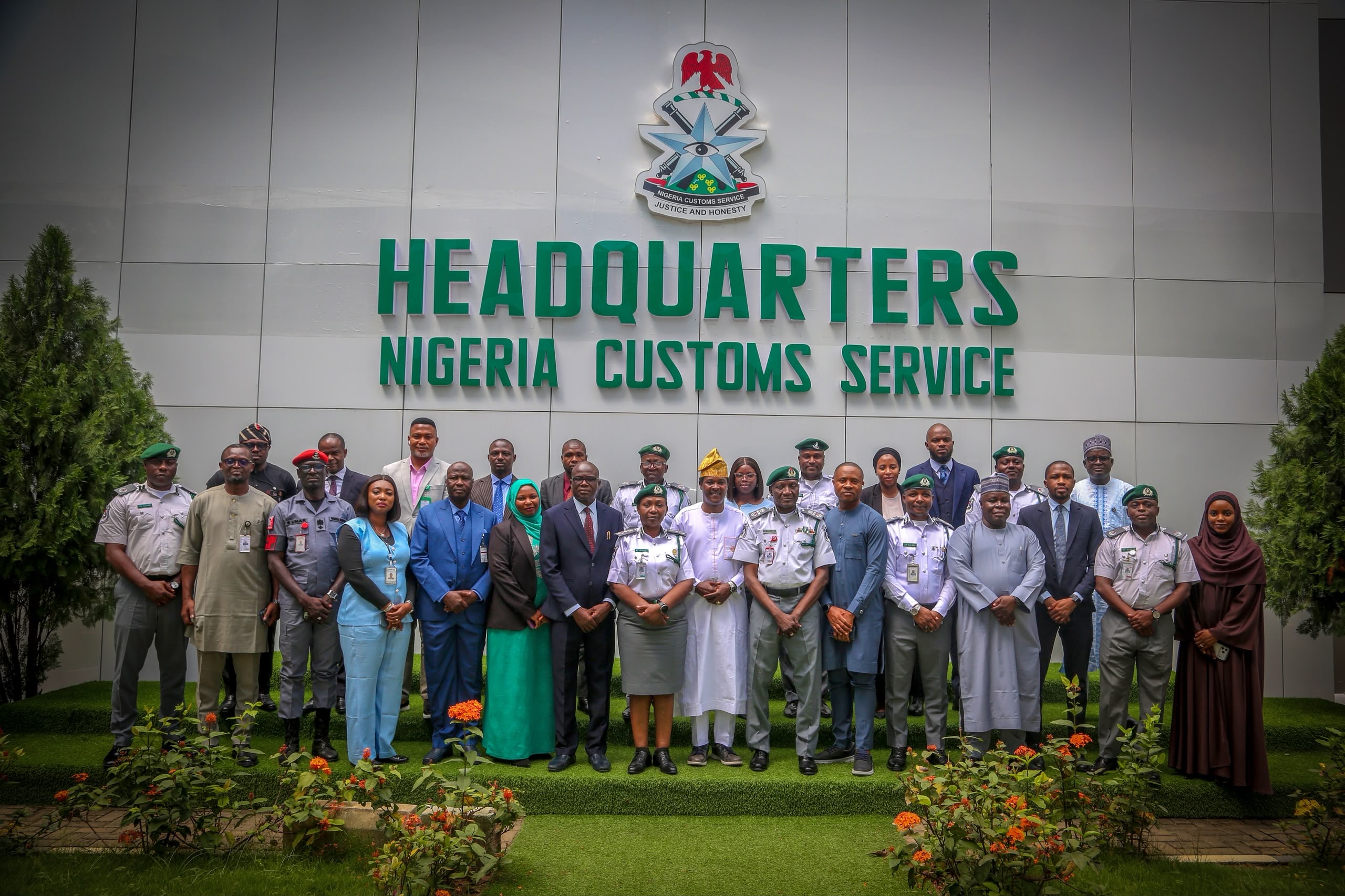
The Deputy Comptroller-General of Customs in charge of Finance, Administration and Technical Services, DCG Kikelomo Adeola, who represented the Comptroller-General of Customs, Adewale Adeniyi, at a stocktaking meeting at the Customs Headquarters in Abuja, described Nigeria’s removal from the Financial Action Task Force (FATF) grey list as a major national achievement that must be sustained.
Adeola stressed the need for continued commitment and stronger collaboration among relevant agencies to prevent a reversal of the progress made in strengthening the country’s anti-money laundering and counter-terrorism financing framework.
She cautioned that the country must not become complacent after its removal from the grey list, warning that the gains achieved could be undermined without sustained efforts to strengthen compliance and enforcement.
“One step forward, two steps backwards,” she said, emphasising the importance of protecting the progress made through collective efforts.
“I believe Nigeria will never go back to that grey list,” Adeola added.
She noted that the upcoming mutual evaluation would require relevant institutions to demonstrate sustained progress in implementing measures to combat money laundering, terrorism financing and other illicit financial activities.
Also speaking, the Chief Operating Officer for Law Enforcement Support and Coordination at the Nigerian Financial Intelligence Unit (NFIU), Emmanuel Sotande, who represented the agency’s Chief Executive Officer, Hafsat Abubakar, described Nigeria’s exit from the FATF grey list as a significant national achievement.
Sotande highlighted the critical role of the Nigeria Customs Service in preventing illicit financial flows, explaining that the Service’s access to trade records, import and export documentation, cargo information and border intelligence complements the financial intelligence generated by the NFIU.
“Customs plays a vital role in detecting suspicious transactions and activities across borders,” he said.
He explained that closer collaboration and effective intelligence sharing between the NCS and the NFIU would help identify suspicious networks, trace illicit proceeds and support enforcement actions against financial crimes.
The meeting focused on reviewing progress, identifying areas requiring further attention and strengthening inter-agency coordination ahead of Nigeria’s next FATF mutual evaluation.
.