


By Nkechi Eze
The Independent National Electoral Commission (INEC) has called for stronger security measures and inter-agency collaboration to protect Persons with Disabilities (PWDs) against discrimination, intimidation and electoral violence ahead of the 2027 General Elections.
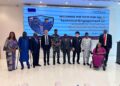
The INEC Chairman, Professor Joash O. Amupitan, SAN, made the call on Friday, October 23, 2026, during a high-level technical engagement on disability-inclusive election security and protection protocols at the Abuja Inter-Continental Hotel, Abuja.
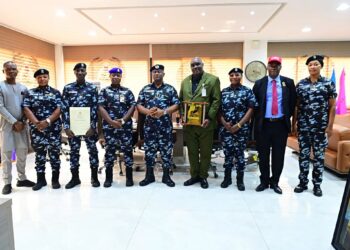
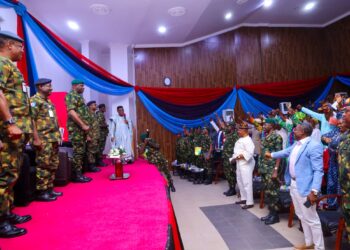
The engagement, themed “Securing the Vote for All: Advancing Inclusive, Safe and Rights-Based Electoral Participation Ahead of the 2027 General Elections,” brought together representatives of the Nigeria Police Force, other security agencies, the European Union, TAF Africa, Organisations of Persons with Disabilities and other stakeholders to strengthen safeguards for vulnerable voters.
Amupitan said the credibility of elections depended on ensuring that every eligible citizen could participate freely, safely and without discrimination, stressing that disability or insecurity should not prevent anyone from exercising their right to vote.
He emphasised that persons with disabilities must be protected against harassment, intimidation, electoral violence and institutional barriers that could undermine their participation in the democratic process.
The INEC chairman noted that Nigeria had established legal frameworks to guarantee inclusive electoral participation, including the 1999 Constitution, as amended, the Electoral Act 2026, the Discrimination Against Persons with Disabilities (Prohibition) Act 2018 and the country’s obligations under the United Nations Convention on the Rights of Persons with Disabilities.
He also highlighted relevant provisions of INEC’s Regulations and Guidelines for the Conduct of Elections 2026, particularly Clauses 19, 21, 27 and 28, which provide for priority access, appropriate assistance and assistive voting materials for voters with disabilities.
On election security, Amupitan stressed the importance of the Nigeria Police Force in preventing electoral violence, maintaining law and order, protecting lives and property, and ensuring a secure environment for all eligible voters.
He urged security personnel to demonstrate professionalism, impartiality and sensitivity in their interactions with persons with different disabilities, adding that assistance must respect their dignity, privacy, independence and freedom of choice.
To strengthen preparedness for the 2027 polls, the chairman called for disability inclusion to be incorporated into security planning, personnel training, deployment strategies and incident-response mechanisms well before Election Day.
He explained that security assessments should identify inaccessible polling units, overcrowded locations, potential electoral violence flashpoints and communication barriers that could expose voters with disabilities to risks or prevent them from participating effectively.
Amupitan also called for stronger coordination among INEC, the police and other security agencies through the Inter-Agency Consultative Committee on Election Security (ICCES), particularly in intelligence-sharing, clarification of operational responsibilities and prompt responses to emerging threats.
Among the measures proposed were the adoption of clear disability-inclusive election security protocols, specialised training for police officers on disability rights and accessible communication, improved inter-agency cooperation, accessible channels for reporting incidents and sustained engagement with disability organisations.
He further maintained that voter protection must extend beyond Election Day to cover voter registration, political campaigns, rallies, voting, collation of results and the post-election period.
The INEC chairman urged participants to translate the engagement into concrete actions, including clearly defined operational procedures, designated institutional contact points, joint security assessments, appropriate training programmes and effective monitoring mechanisms ahead of the elections.
He reaffirmed the Commission’s commitment to working with the Nigeria Police Force, the Nigeria Security and Civil Defence Corps, TAF Africa, Organisations of Persons with Disabilities, development partners and other stakeholders to strengthen inclusive electoral administration and security.
Amupitan also acknowledged the contributions of TAF Africa and the European Union towards promoting the democratic participation of persons with disabilities and internally displaced persons in Nigeria.
He described electoral inclusion as a democratic imperative rather than an act of charity, insisting that every eligible citizen must have a meaningful opportunity to vote without discrimination, insecurity or avoidable institutional barriers.
The chairman expressed optimism that the deliberations would produce practical and measurable measures to protect vulnerable voters, promote equal participation and strengthen public confidence in the 2027 General Elections.