

By Nkechi Eze
The Independent National Electoral Commission (INEC) in Taraba State has unveiled a comprehensive Election Project Plan, setting key performance indicators for personnel and strengthening collaboration with security agencies and other stakeholders ahead of the 2027 general elections.
The Resident Electoral Commissioner (REC) in the state, Dr Sa’ad Umar Idris, unveiled the plan during a series of strategic meetings with commission staff, Electoral Officers from the 16 local government areas, critical stakeholders and the Inter-Agency Consultative Committee on Election Security (ICCES).
According to an official statement by the INEC Taraba State Public Affairs Officer, Marvin Mathias Bandawa, the engagements, held between October 17 and 20, 2026, focused on operational preparedness, institutional neutrality, electoral logistics, technology compliance and security coordination ahead of the elections scheduled for January 16 and February 6, 2027.
Addressing staff of the state office, Idris emphasised the importance of planning, coordination and teamwork in delivering credible elections, urging personnel to maintain the highest standards of neutrality and professionalism.
He reminded staff that INEC officials were electoral umpires who must remain impartial and avoid political affiliations that could undermine public confidence in the electoral process.
The REC also assured staff that the commission was working to improve their working conditions and operational environment, while encouraging them to contribute ideas towards achieving the commission’s objectives.
At a subsequent meeting with Electoral Officers from the 16 local government areas, Idris formally presented the Taraba Election Project Plan, outlining key performance expectations and operational priorities for the 2027 polls.
The plan identifies six priority areas: institutional neutrality and professionalism, technological integrity, operational transparency, inclusive participation, early recruitment and training of ad-hoc personnel, and effective security coordination.
On electoral technology, the REC stressed the need to ensure the readiness of the Bimodal Voter Accreditation System (BVAS) and the INEC Result Viewing Portal (IReV) to strengthen transparency and public confidence in the elections.
He also directed Electoral Officers to assess infrastructure across their respective local government areas, including storage facilities, power generators and Registration Area Centres, to prevent logistical challenges during the elections.
The plan further provides for early recruitment and screening of ad-hoc electoral personnel, alongside the maintenance and assessment of BVAS devices and preparations for voter register verification and Permanent Voter Card (PVC) distribution.
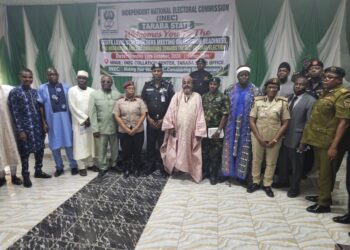
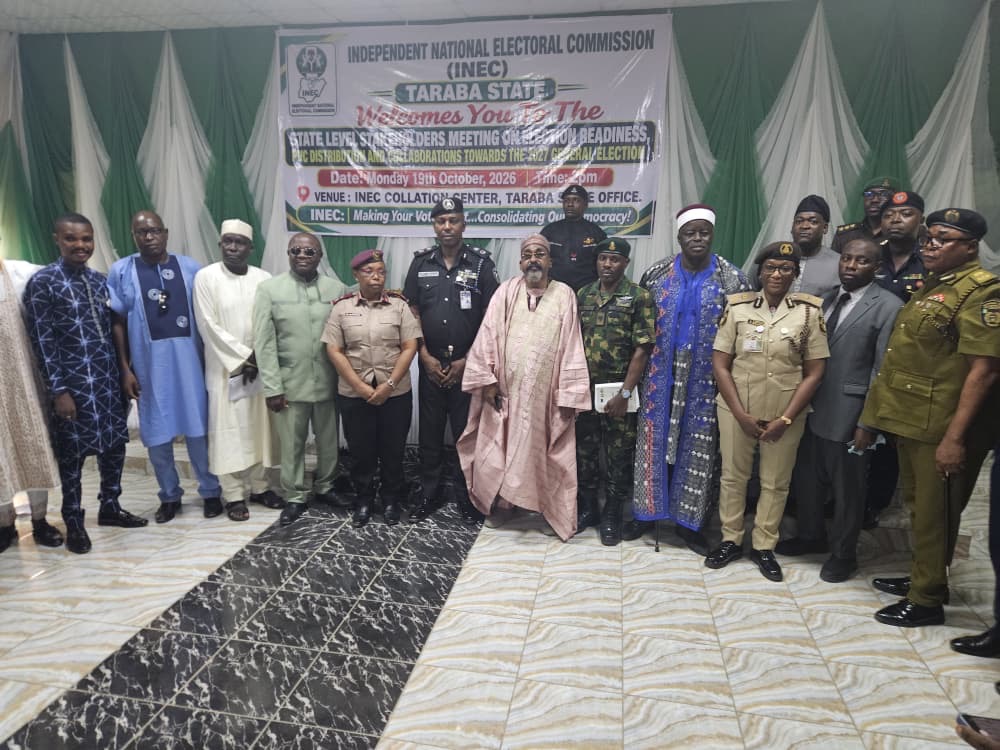
At an expanded stakeholders’ meeting on October 19, the REC engaged political parties, civil society organisations, youth groups, women associations, the media, faith-based organisations, traditional institutions and members of ICCES on the commission’s preparations.
Discussions centred on the display of the National Register of Voters, PVC collection, election readiness assessments, stakeholder collaboration and shared civic responsibilities.
Political party representatives commended the REC’s proactive approach and called for sustained transparency, equal access and effective dispute-resolution mechanisms. Security agencies pledged cooperation in protecting the electoral process, while civil society organisations and media representatives committed to supporting voter education, public sensitisation and impartial election observation.
The REC also directed Electoral Officers to replicate the stakeholder engagement framework at the local government level through regular consultations with traditional rulers, community leaders and political actors.
He warned that any staff member found to have compromised their neutrality through alignment with political actors or candidates would face disciplinary action in accordance with the provisions of the INEC Staff Handbook.
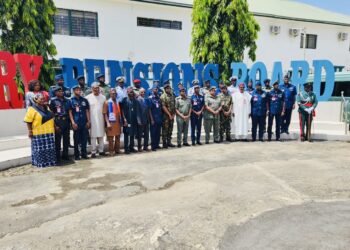
At the October 20 meeting of ICCES, which brought together heads of security agencies in the state, the commission intensified efforts to establish an integrated security framework for PVC collection and the 2027 general elections.
The committee agreed on joint security deployments across the 16 INEC local government offices and 168 registration areas, alongside threat assessments and the mapping of security flashpoints across the state.
It also resolved to strengthen security around INEC offices, strongrooms and collation centres, harmonise inter-agency logistics and improve rapid-response arrangements.
Security agencies were tasked with protecting electoral personnel, facilities and materials, as well as ensuring the safe and orderly conduct of ongoing PVC collection and voter verification exercises.
The meeting further emphasised the need to protect voters from harassment, intimidation and other forms of interference that could discourage participation in the electoral process.
The engagements form part of INEC Taraba’s early preparations for the 2027 general elections, with the commission seeking to align its personnel, logistics, technology and security arrangements towards delivering peaceful, inclusive, free, fair and credible polls.