

By Nkechi Eze
The Transmission Company of Nigeria (TCN), the Nigerian Independent System Operator (NISO) and other electricity sector stakeholders have assessed alternative electricity supply arrangements ahead of a planned outage on the Kumbotso–Dan Agundi 132kV Transmission Line in Kano State.
The assessment is aimed at identifying viable options for diverting the load served by Dan Agundi 132kV Substation while work is carried out to elongate Towers 27 and 28 on the transmission line.
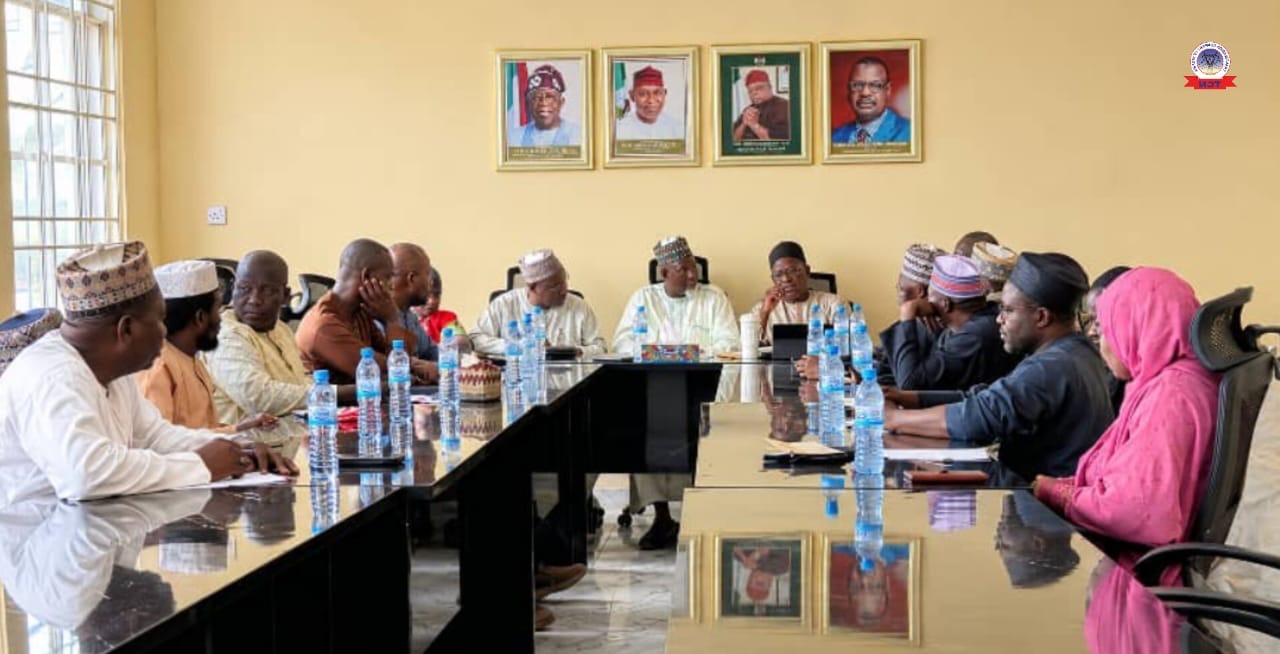
According to an official statement by the Management of the Transmission Company of Nigeria, the stakeholders met on Monday, October 5, 2026, at the TCN Kano Regional Office to coordinate the proposed outage and review switching arrangements for the project.
The meeting was chaired by the General Manager (Transmission), Kano Region, Engr. M. K. Bello, who emphasised the need for contractors to thoroughly assess proposed technical connections and switching arrangements before implementation to safeguard personnel, equipment and network reliability.
Bello expressed confidence in the contractors’ competence but stressed that all technical considerations must be properly evaluated to ensure the safe execution of the project.
The NISO Regional Operations Coordinator, Engr. Kunle Egbedinni, called for strict compliance with the Grid Code, particularly the requirement for planned outage applications to be submitted at least 14 days in advance for approval.
Also speaking, the Head of Operations and Maintenance at Kano Electricity Distribution Company (KEDCO), Engr. Sabiu Haruna, proposed diverting the load from Dan Agundi 132kV Substation to alternative substations, including Dakata 132kV, Tamburawa 132kV, Rimin Zakara 330kV, Kumbotso 330kV and Wudil 132kV.
The proposed load diversion is expected to take place within a two-day outage window, subject to the necessary technical assessments and operational arrangements.
During the meeting, participants examined the capacity of the network to accommodate the diverted load and considered the feasibility of alternative supply routes.
They noted that Hadejia 132kV Substation could not accommodate the entire 60-megawatt load earmarked for diversion, prompting further consideration of supply options through Tamburawa, Rimin Zakara and Dakata substations.
The stakeholders also emphasised the importance of ensuring the safety of personnel and equipment throughout the operation.
The meeting concluded with a commitment by all parties to strengthen inter-agency coordination, comply with regulatory requirements and facilitate the timely execution of the transmission infrastructure project.
The planned tower elongation forms part of the work requiring coordinated outage management and alternative supply arrangements to maintain the stability and reliability of electricity delivery across the affected network.