

By Nkechi Eze
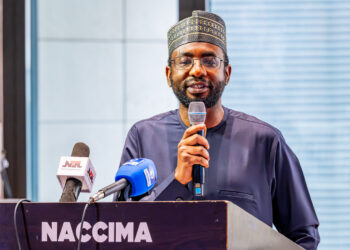
The Director-General and Chief Executive Officer of the National Information Technology Development Agency (NITDA), Inuwa Abdullahi, CCIE, has described digital identity as a critical foundation for building trust, expanding access to services and accelerating Nigeria’s digital economy.
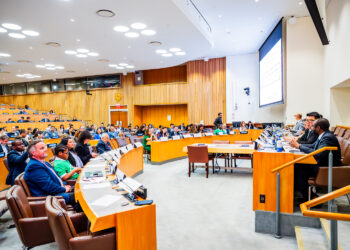
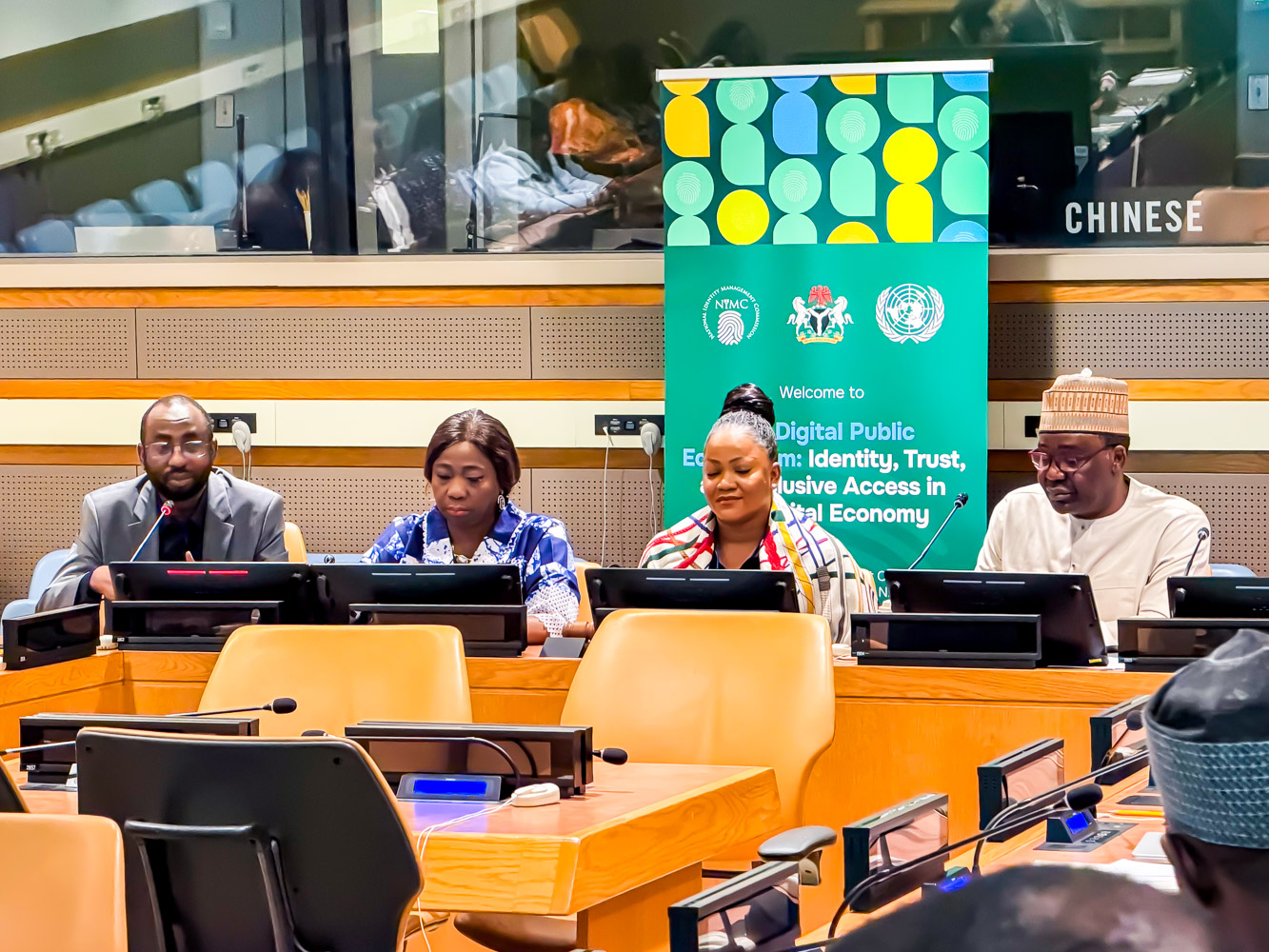
Abdullahi stated this while participating in a high-level panel session titled, “Identity in Action and Access to the Digital Economy,” convened by the National Identity Management Commission (NIMC) as part of discussions on “The Digital Public Ecosystem: Identity, Trust & Inclusive Access.”
The NITDA boss joined Senator Ibrahim Hassan Hadejia, Deputy Chief of Staff to the President; Aderemi Adebowale, National Coordinator, Renewed Hope National Home-Grown School Feeding Programme; and Olugbenga Agboola, Co-founder and Chief Executive Officer of Flutterwave, at the session moderated by Diwura Oladepo, Executive Director, Technology for Social Change and Development (Tech4Dev).
Speaking on how Nigeria can leverage digital identity to expand access to services and strengthen interoperable Digital Public Infrastructure, Abdullahi said digital identity should be viewed as more than a card or identification number.
“Digital identity is the trust layer of the digital economy,” he said.
According to him, a trusted digital identity system can reshape Nigeria’s innovation landscape by enabling authorised innovators and service providers to build on foundational identity infrastructure rather than repeatedly creating fragmented systems.
He said such interoperability could accelerate customer onboarding, reduce verification costs and expand access to trusted digital services across sectors including fintech, healthcare, education, agriculture, insurance and government.
Abdullahi illustrated the potential of interoperable infrastructure with the example of a farmer who could establish his identity through the National Identification Number (NIN), verify eligibility through an agricultural platform, receive support through a payment system and interact with authorised government services through trusted data exchange without repeatedly submitting the same information.
He said Nigeria’s next challenge was to transform the growing scale of digital identity into trusted and practical utility for citizens.
“Digital identity is not the destination; it is the doorway,” the NITDA DG said.
He stressed that the ultimate objective should be to develop a trusted, secure and interoperable digital ecosystem capable of enabling Nigerians, irrespective of their location or economic circumstances, to access essential services, participate safely in the digital economy and unlock new opportunities.
The discussions underscored the importance of collaboration among government institutions, technology companies and other stakeholders in building a digital public ecosystem capable of delivering inclusive services and supporting innovation across the country.