

By Nkechi Eze
The Nigeria Customs Service (NCS) has intercepted 56 containers carrying prohibited and improperly declared goods with a combined duty-paid value of ₦5.53 billion, as part of efforts to protect Nigerian farmers, manufacturers and businesses from unfair competition.
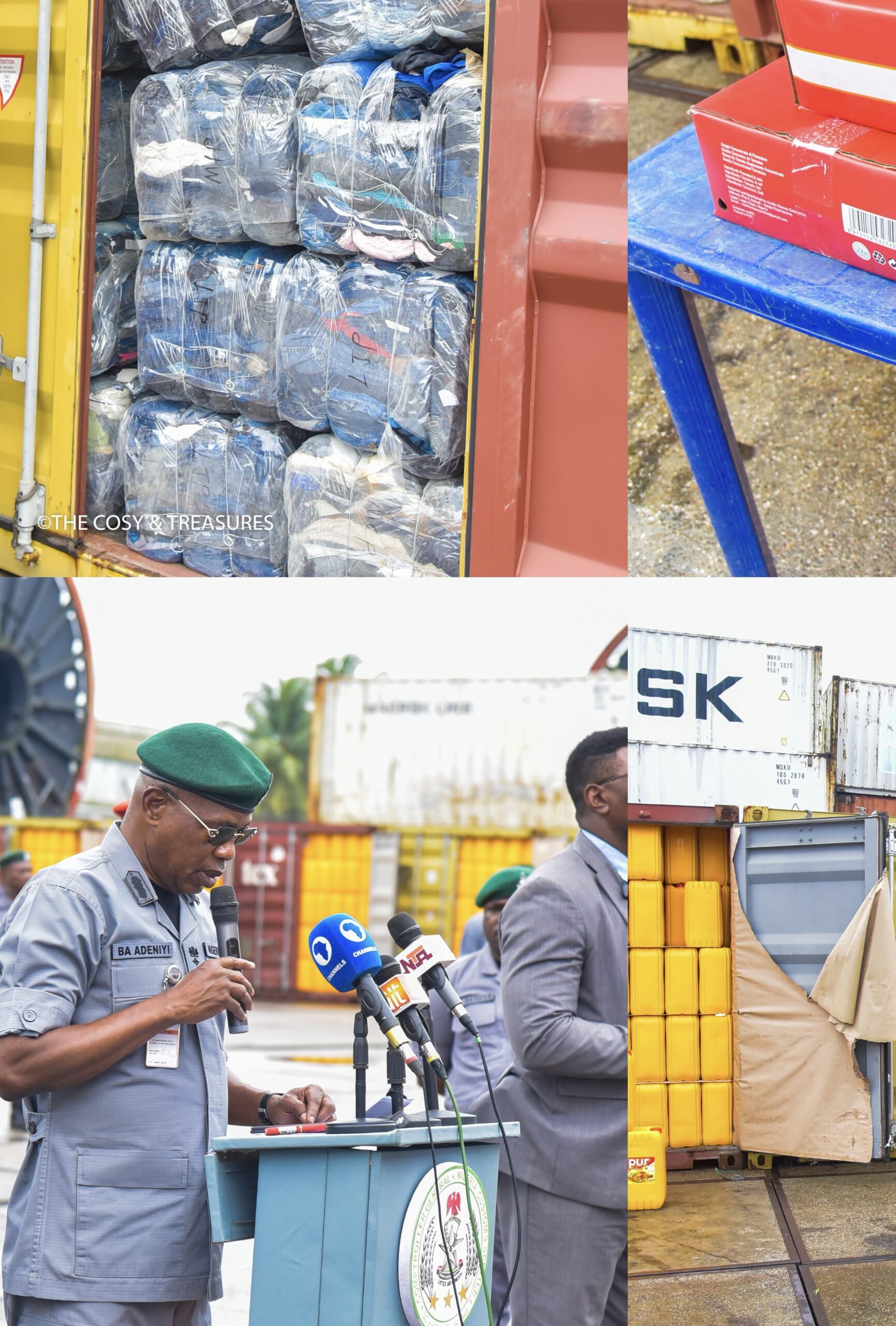
The Comptroller-General of Customs, Adewale Adeniyi, disclosed this on Tuesday, September 15, 2026, while briefing journalists at the Port Harcourt II Area Command, Onne, Rivers State.
Adeniyi said the seizures were the outcome of intelligence-driven and risk-based enforcement operations aimed at preventing prohibited, restricted and falsely declared consignments from entering the Nigerian market.
He explained that unchecked importation of goods that could be produced or processed locally places additional pressure on domestic producers by creating unfair competition, weakening demand for locally made products and discouraging investment across Nigerian value chains.
The seized consignments comprised 45 20-foot containers of foreign vegetable oil, nine 40-foot containers of used clothing and two 20-foot containers of Channy tomato paste.
The Customs boss said the interceptions were particularly significant to the agricultural and manufacturing sectors, noting that excessive importation of products that could be produced locally could undermine efforts to strengthen food security, create jobs, promote domestic industries and diversify the economy.
Adeniyi stressed that Customs enforcement was not intended to frustrate legitimate businesses but to ensure a fair, secure and predictable trading environment for compliant operators.
He said the Service’s risk-based approach enabled it to facilitate legitimate cargo while subjecting high-risk consignments to enhanced scrutiny.
The CGC commended the Customs Area Controller, Comptroller Aliyu Alkali, and officers of the Port Harcourt II Area Command for the seizures.
He urged importers and other stakeholders to confirm the admissibility of their intended imports before commencing transactions and ensure accurate declarations covering the description, quantity, value, origin and classification of goods.
Adeniyi said the seizures were consistent with the Federal Government’s broader economic objectives of strengthening local production and promoting made-in-Nigeria products.