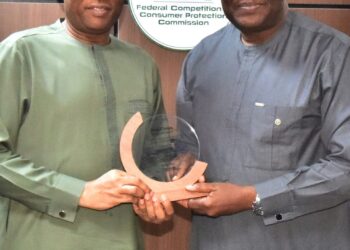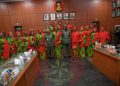


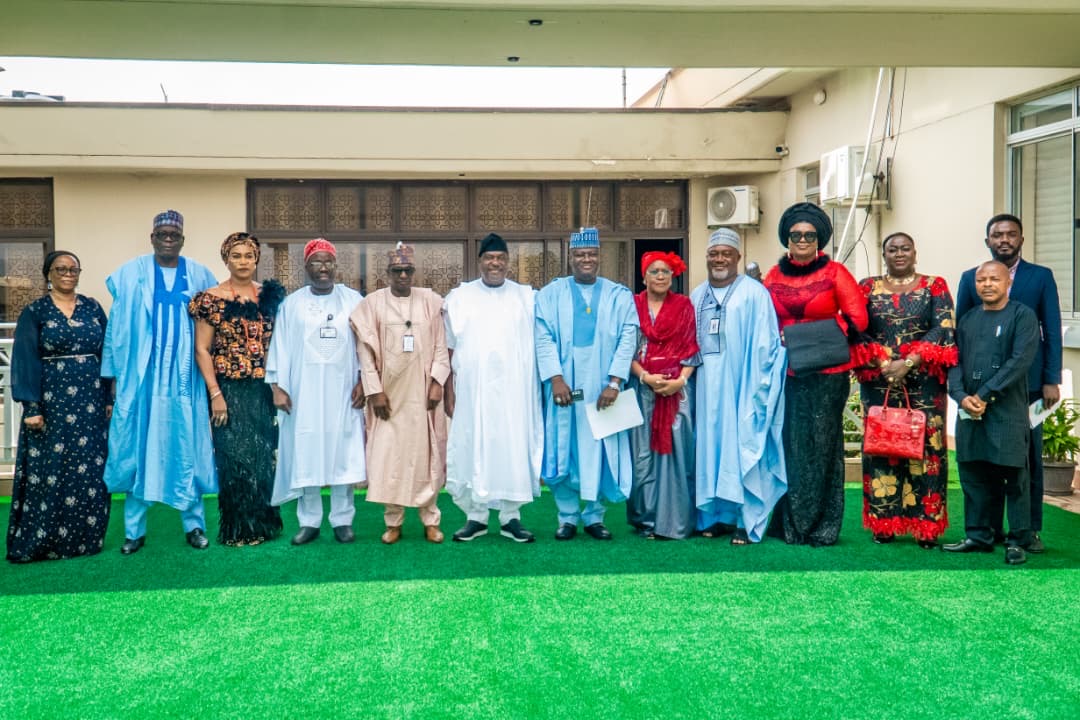
The newly inaugurated Board of the National Salaries, Incomes and Wages Commission (NSIWC) has been mandated to promote fair wages, improved productivity and industrial harmony in Nigeria.
The Secretary to the Government of the Federation, Senator George Akume, CON, gave the charge on Friday in Abuja during the inauguration of the new Board, describing the Commission as a strategic institution at a critical period of Nigeria’s economic transformation under President Bola Ahmed Tinubu.
According to an official statement signed by Chris Ugwuegbulam, Head, Press and Public Relations Unit, Akume said the Federal Government was implementing far-reaching reforms aimed at restoring economic stability, strengthening productivity, improving workers’ welfare and laying the foundation for sustainable and inclusive growth.
He said the NSIWC had a critical role to play through its responsibilities for salary structures, productivity, job evaluation and compensation, noting that its decisions directly affect workers’ remuneration, productivity, industrial harmony and the sustainability of government finances.
“The role of the National Salaries, Incomes and Wages Commission is particularly strategic at this time. The Commission is entrusted with responsibilities relating to salary structures, productivity, job evaluation and compensation matters that have direct implications for workers’ remuneration, productivity, industrial harmony and the sustainability of government finances,” he said.
The SGF urged the new Board to strike an appropriate balance between fair and decent remuneration, improved productivity, affordability and the broader economic realities facing the country.
He noted that the inauguration came at a crucial period following the implementation of the new National Minimum Wage framework, which had raised expectations among workers while placing greater responsibilities on government and employers.
Akume charged the Board to ensure that its recommendations were evidence-based, transparent, timely, equitable and fiscally responsible, supported by robust research and reliable data on wages, productivity, purchasing power and economic growth.
He further called for a remuneration system that recognises skills, responsibility, innovation and productivity while promoting efficiency and accountability.
“The Commission must promote a remuneration system that recognises skills, responsibility, innovation, and productivity while encouraging efficiency and accountability. Strengthening digital and data capabilities and positioning the Commission as a centre of excellence in compensation and productivity is crucial,” he added.
The SGF reaffirmed the Federal Government’s commitment to supporting institutions advancing the objectives of the Renewed Hope Agenda, stressing that the NSIWC had an important role in ensuring that the benefits of economic reforms translated into improved livelihoods and a more stable industrial environment.
President Bola Ahmed Tinubu, GCFR, appointed Major General Junaid Bindawa (Rtd.) as Chairman of the new Board, alongside other members of the Commission.
Former member of the House of Representatives from Lagos, Olajumoke Okoya-Thomas, was appointed Secretary of the Commission, while Dr. Ogbole Ene Lilian, Oladele Olatubosun and Yakubu Umar Barde, representing Benue, Oyo and Kaduna States respectively, were appointed commissioners.
Other members appointed to the Board are Dr. Mai Adamu Yau from Borno State, Ginika Florence Tor from Enugu State, Engineer Lawrence Okoh from Edo State and Bello Moronke Iyabode from Kogi State.
Akume congratulated the chairman and members of the Board, urging them to justify the confidence reposed in them by providing “visionary, responsible and results-oriented leadership.”
In his acceptance speech, Bindawa expressed appreciation to President Bola Ahmed Tinubu for the confidence reposed in the new Board and pledged its commitment to constructive engagement with stakeholders.
He assured that the Board would work harmoniously with organised labour, stressing that its responsibilities covering salaries, wages, incomes and productivity were central to workers’ welfare and the delivery of quality public service.