

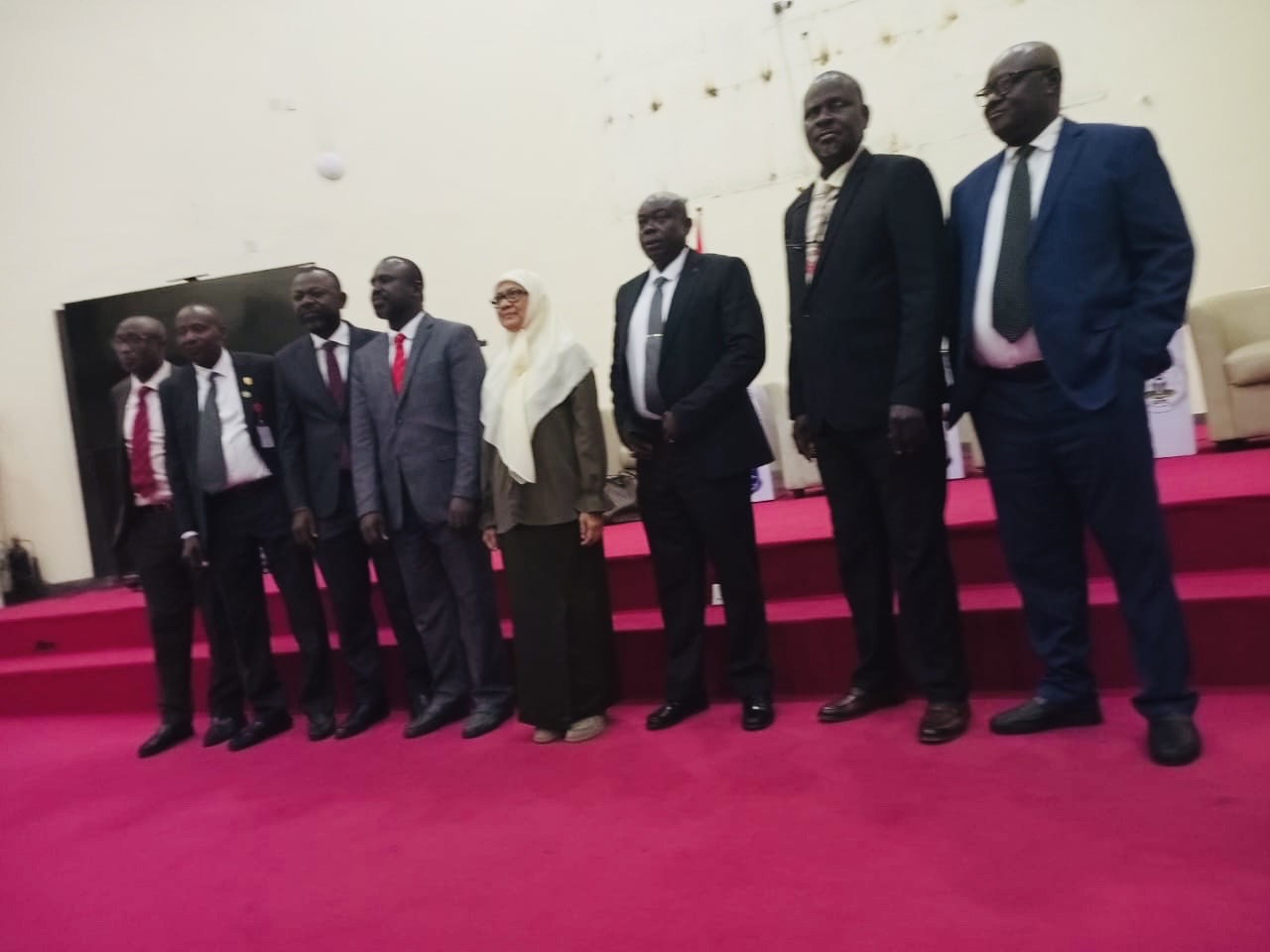
The Independent Corrupt Practices and Other Related Offences Commission (ICPC) has drawn valuable lessons from Indonesia’s experience in combating corruption, particularly the operations of its Corruption Eradication Commission, known as Komisi Pemberantasan Korupsi (KPK).
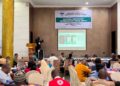
The Commission made this known on Monday in Abuja during the second edition of the International Diplomatic Dialogue organised by the Anti-Corruption Academy of Nigeria (ACAN), the research and training arm of the ICPC.
The dialogue, themed “Experience Sharing in Anti-Corruption Strategy: The Indonesian Perspective,” provided a platform for Nigerian anti-corruption stakeholders to examine Indonesia’s institutional framework, enforcement mechanisms, asset declaration system and preventive strategies.
In an address delivered on his behalf by the Secretary of the Commission, the ICPC Chairman, Dr. Musa Adamu Aliyu, said Nigeria stood to benefit significantly from comparative international experiences as it intensifies efforts to tackle corruption.
He said the engagement was particularly important because corruption remained a global challenge with serious implications for development, economic growth, social justice and public confidence in government institutions.
“As Nigeria continues to deepen its anti-corruption efforts, there is much value in learning from comparative experiences, understanding best practices, and identifying innovative approaches that can be adapted to our local realities,” he said.
Aliyu said Indonesia’s experience through the KPK offered important lessons in institutional reform, corruption prevention and enforcement.
He noted that the diplomatic dialogue was part of the ICPC and ACAN’s commitment to strengthening international cooperation and promoting evidence-based approaches to corruption prevention.
The ICPC Chairman further urged participants to translate the knowledge gained from the engagement into practical measures capable of strengthening Nigerian institutions.
“The knowledge and experiences exchanged today should not end within the walls of this auditorium. Rather, they should inspire practical actions that strengthen our institutions, enhance public trust, and contribute to national and continental development,” he said.
Speaking on Indonesia’s anti-corruption experience, the Indonesian Ambassador to Nigeria, represented by Mrs. Tuty Dityawanty, Minister Counselor for Political Affairs, explained that the KPK was established in 2003 with a broad mandate covering investigation, prosecution, prevention, coordination and supervision of anti-corruption activities.
She said the commission had secured convictions against several high-profile officials, including ministers, governors, lawmakers and judges who had previously been regarded as powerful or untouchable.
“KPK achieved success in prosecuting high-profile officials. It arrested and convicted hundreds of untouchable elites, including ministers, governors, lawmakers and judges,” she said.
However, she acknowledged that Indonesia’s fight against corruption remained ongoing, particularly in areas such as bribery in public services and business licensing.
The Indonesian representative also highlighted the KPK’s use of intelligence-led investigations and sting operations in uncovering suspected bribery cases, noting that such operations were conducted within the country’s legal framework and supported by investigative evidence.
Another major component of Indonesia’s anti-corruption strategy highlighted at the dialogue was the State Administrator Asset Report system, known as LHKPN.
According to Dityawanty, public officials are required to disclose their assets before assuming office, periodically during their tenure and after leaving office.
The declarations cover personal property, investments, cash and other valuable assets owned by officials and their immediate families, providing a mechanism for monitoring unexplained wealth and promoting transparency among public officials.
She said the KPK’s effectiveness had also been linked to the confidence it had built among members of the public through the prosecution of powerful individuals.
“The KPK has won public trust, not just because it has put behind bars hundreds who have abused their powerful positions and who previously were considered untouchable, but also because it has undoubtedly portrayed a vision of an Indonesia where things can get done without corruption,” she said.
The Provost of ACAN, Professor Sheriff Ghali Ibrahim, in his presentation on the background to the diplomatic dialogue series, also underscored the historical significance of Indonesia in promoting cooperation among developing countries.
He traced the relationship to the 1955 Bandung Conference, which brought together Asian and African countries to deliberate on peace, decolonisation, economic development and international cooperation.
Ibrahim said Indonesia’s contemporary anti-corruption architecture also provided useful lessons for Nigeria, particularly its National Strategy for Corruption Prevention, institutional coordination, asset declarations, financial intelligence and public-sector reforms.
He identified the KPK, the Financial Transaction Reports and Analysis Center (PPATK), the Supreme Audit Agency (BPK), the Financial and Development Supervisory Agency (BPKP) and the Ministry of Administrative and Bureaucratic Reform (PANRB) as key components of Indonesia’s anti-corruption architecture.
He said stronger South-South cooperation and the exchange of institutional knowledge could help developing countries improve their approaches to fighting corruption.
“Indonesia remains the cradle of the struggle for African liberation and the fight against corruption in countries of the South. It set the tone upon which Third World solidarity, peace and South-South cooperation are achieved,” Ibrahim said.
The event, which ended with a vote of thanks by the Director of ACAN, Mr. G. T. Idris, underscored the need for sustained international engagement in developing more effective approaches to corruption prevention and enforcement.
The dialogue is expected to strengthen cooperation between Nigeria and Indonesia while providing anti-corruption practitioners with practical insights that could inform reforms and institutional strategies in Nigeria.