

By Nkechi Eze
The Independent National Electoral Commission (INEC) has reaffirmed its determination to protect its constitutional mandate to regulate electoral activities, revealing that it has challenged recent court decisions that questioned aspects of its timetable for the 2027 General Election.
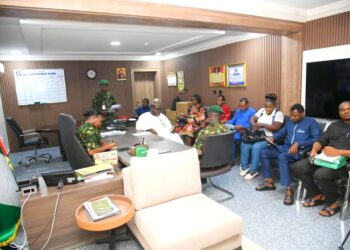
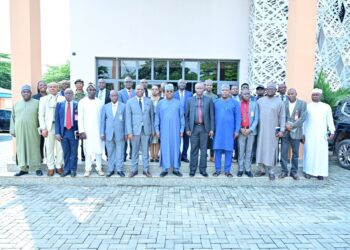
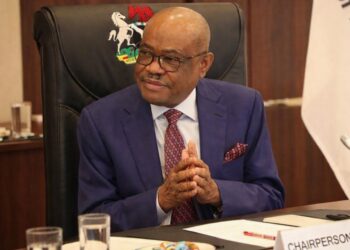
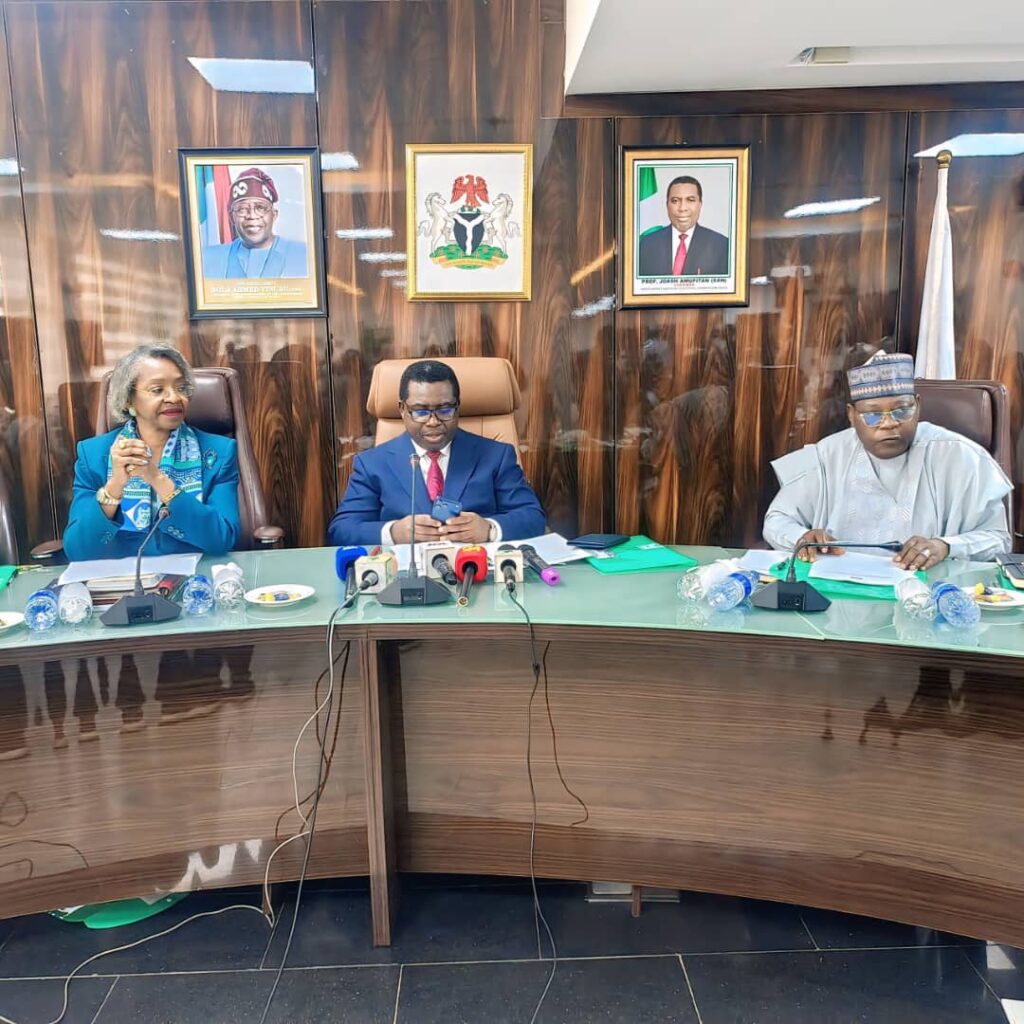
INEC Chairman, Professor Joash O. Amupitan (SAN), disclosed this on Tuesday in Abuja during the Commission’s Second Quarterly Consultative Meeting with leaders of political parties. He stressed that the Commission remains committed to delivering free, fair, credible and peaceful elections across the country.
Amupitan explained that INEC approached the appellate courts after separate judgments of the Federal High Court produced differing interpretations regarding the Commission’s authority to establish timelines for key electoral activities. While one judgment raised concerns about aspects of the timetable and schedule of activities for the 2027 elections, another upheld INEC’s power to issue electoral timelines but invalidated certain provisions relating to the nomination and substitution of candidates.
He noted that the appeals were necessary to obtain definitive legal clarification and ensure certainty in preparations for the next general election. According to him, effective election management depends on a carefully coordinated sequence of activities that require clearly defined timelines to guarantee transparency, efficiency and fairness.
The INEC Chairman stated that processes such as party membership verification, monitoring of party primaries, candidate nominations, voter education, ballot production, deployment of election materials and configuration of the Bimodal Voter Accreditation System (BVAS) cannot be effectively executed without a structured electoral calendar. He warned that uncertainty over timelines could disrupt preparations and compromise the Commission’s ability to fulfil its constitutional responsibilities.
Providing updates on upcoming elections, Amupitan said preparations for the Ekiti State Governorship Election slated for June 20 were progressing smoothly. He disclosed that 1,059,360 registered voters are expected to participate, including 66,664 newly registered voters added through the Continuous Voter Registration exercise, while 2,103 cases of double registration had been identified and removed from the register.
He added that arrangements covering logistics, technology deployment, training of personnel and stakeholder engagement were on track, with plans concluded for the simultaneous opening of all 2,445 polling units across the state’s 16 local government areas.
The Commission also confirmed that bye-elections in six constituencies located in Enugu, Nasarawa, Rivers, Ondo, Kano and Kebbi states would hold on the same day.
Amupitan further urged political parties to adhere strictly to timelines for the Osun State Governorship Election scheduled for August 15 and begin preparations for the candidate nomination stage of the 2027 General Election. He announced that political parties would receive access codes on June 26 to facilitate the upload of candidates’ details through INEC’s automated nomination portal.
The INEC Chairman also expressed concern over the increasing number of legal disputes involving party leadership, describing them as avoidable distractions capable of affecting electoral preparations.
Speaking on behalf of political parties, the National Chairman of the Inter-Party Advisory Council (IPAC), Dr. Yusuf Mamman Dantalle, called for amendments to the Electoral Act 2026. He argued that the exclusion of indirect primaries from the candidate nomination process had created operational, financial and administrative challenges for political parties during recent primaries.
Dantalle maintained that parties should be allowed to choose the candidate selection method most suitable to their circumstances, provided the process remains democratic and transparent. He also raised concerns over conflicting court judgments affecting electoral activities and called for collective efforts to strengthen public trust in the electoral system ahead of the 2027 elections.
The meeting ended with both INEC and political parties reaffirming their commitment to peaceful elections, issue-based campaigns and strict adherence to democratic principles as preparations for the next electoral cycle gather momentum.