

By Nkechi Eze
The Headquarters, Joint Task Force (JTF) North Central, Operation Savannah Shield (OPSS), has dismissed as false and misleading an online report alleging negligence and extortion by its troops deployed in parts of Kwara State.
In an official signed statement, the Acting Media Information Officer, Headquarters Joint Task Force (North Central) Operation Savannah Shield, Captain Jamilu Yahaya, said the report, published by Sahara Reporters, falsely claimed that troops deployed at Yashikara community in Baruten Local Government Area abandoned their duty post during an attack and relocated to Chikanda to mount checkpoints for alleged extortion of motorists.
The statement described the allegations as a deliberate misrepresentation of facts, stressing that Operation Savannah Shield has no deployment in Yashikara community. It clarified that troops are only stationed at the Forward Operating Base (FOB) Chikanda, where they continue to carry out their duties professionally.
Captain Yahaya stated that the claim that troops abandoned their post or engaged in extortion was entirely untrue, adding that personnel of the operation have consistently maintained discipline and adhered to professional standards in the discharge of their responsibilities.
On the reported attack on the Emir’s Palace in Yashikara community on 25 May 2026, the statement explained that troops at FOB Chikanda, located about 38.7 kilometres away, received information of the incident at about 0145 hours and immediately mobilised to the scene.
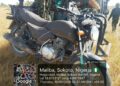
According to the statement, upon arrival, troops discovered that terrorists had abducted three women and five children, while parts of the Emir’s residence, including the sitting room, as well as two vehicles within the palace premises, were set ablaze.
The Headquarters maintained that contrary to the online report, troops responded promptly to the distress call and acted within operational timelines, describing the allegations of inaction as malicious and intended to undermine ongoing security operations in the area.
It urged members of the public and media organisations to verify information from credible sources before publication, warning that the spread of unverified reports could mislead the public, undermine operational efforts, and affect troop morale in the field.