

By Nkechi Eze
The Police Officers’ Wives Association (POWA) has intensified its strategic partnership with the National Association of Nigerian Nurses and Midwives (NANNM) as preparations gather momentum for a large-scale welfare and healthcare outreach targeting police families in Lagos State.
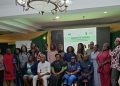
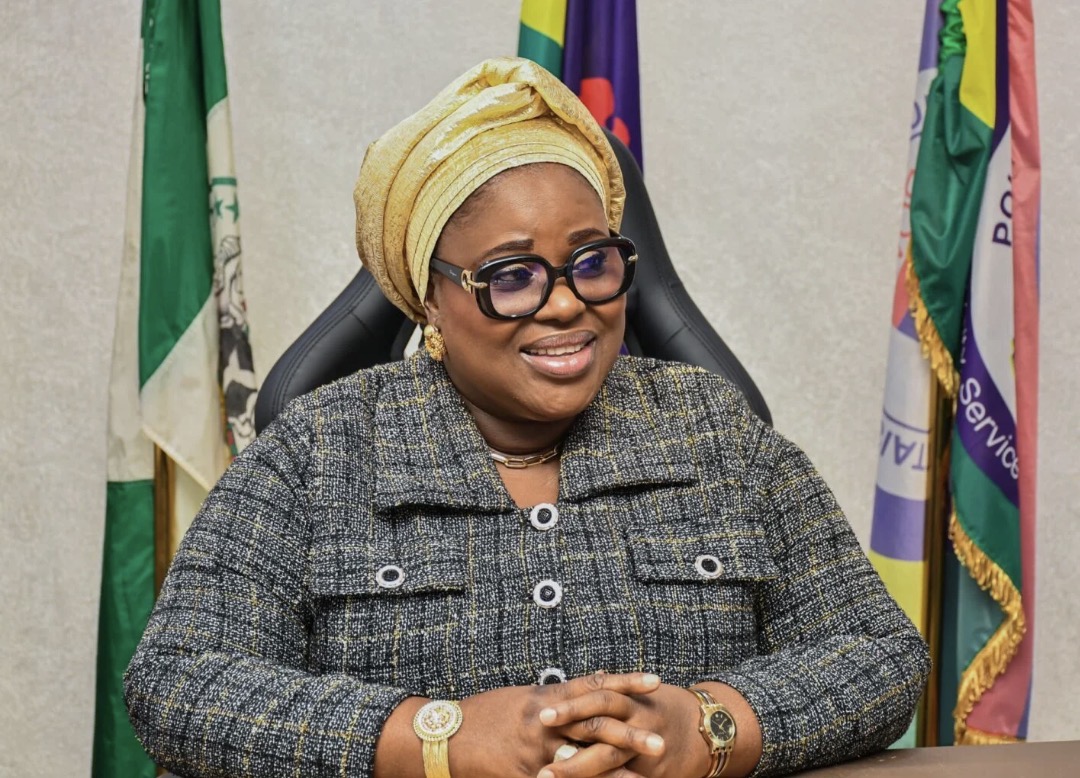
This renewed collaboration was underscored during a high-level meeting held at the POWA National Secretariat in Abuja, where the POWA President, Mrs Olufunmilola Disu, hosted a delegation from the nursing body led by its National President, Comrade Haruna Mamman. The engagement, attended by top officials of both organisations, focused on strengthening cooperation frameworks aimed at delivering improved healthcare services and social support systems to members of police communities across the country.
Discussions at the meeting centred on the forthcoming Lagos phase of the POWA Cares Initiative, a nationwide programme designed to enhance the health status, economic resilience, and overall well-being of families of serving police personnel. The initiative, which has already recorded significant impact during its inaugural phase in Abuja, is being expanded to reach a broader segment of beneficiaries, with Lagos identified as the next critical hub.
Mrs Disu, while addressing the delegation, stressed that sustainable impact in welfare interventions requires deliberate partnerships with professional bodies, particularly those within the healthcare sector. She noted that the success recorded during the Abuja outreach underscored the urgent need for structured, large-scale interventions tailored to the unique needs of police families.
She recalled that the first phase of the initiative provided over 1,000 beneficiaries with access to free eye screenings, treatment services, and general medical consultations, outcomes she said translated into measurable improvements in productivity and quality of life among recipients. Building on these gains, she explained that the Lagos exercise would adopt a more comprehensive approach, integrating both healthcare delivery and socio-economic empowerment components.
A major highlight of the upcoming outreach, according to Mrs Disu, is the introduction of an educational support scheme that will award scholarships to ten children of police officers to study nursing. The initiative is aimed at fostering educational inclusion while simultaneously strengthening the pipeline of healthcare professionals in the country.
Describing the partnership with NANNM as pivotal, Mrs Disu emphasised the critical role of nurses in frontline healthcare delivery and community-based interventions. Drawing from her own background in nursing, she noted that the collaboration represents a convergence of shared values centred on compassion, service, and people-focused care.
She further observed that the operational effectiveness of police personnel is intrinsically linked to the stability and well-being of their families, adding that initiatives such as POWA Cares are designed to address this often-overlooked dimension of national security and workforce productivity.
In his remarks, Comrade Haruna Mamman reaffirmed the commitment of the nursing association to support the initiative, noting that the partnership aligns with NANNM’s broader mandate of promoting accessible and quality healthcare services across Nigeria. He assured that the association would deploy its expertise and human resources to ensure the success of the Lagos outreach.
The meeting also provided a platform for both organisations to deliberate on emerging challenges within the healthcare sector, particularly the growing incidence of unlicensed medical practitioners. Both parties expressed concern over the potential risks posed to public health and agreed on the need for closer collaboration in advocacy, regulation, and public awareness to curb the trend.
The Lagos outreach, scheduled to take place later in the month, is expected to convene a wide range of stakeholders, including healthcare professionals, development partners, and community leaders. The programme will deliver integrated services encompassing medical care, health education, and socio-economic support, all aimed at improving the living conditions of police families in the state.