By Nkechi Eze
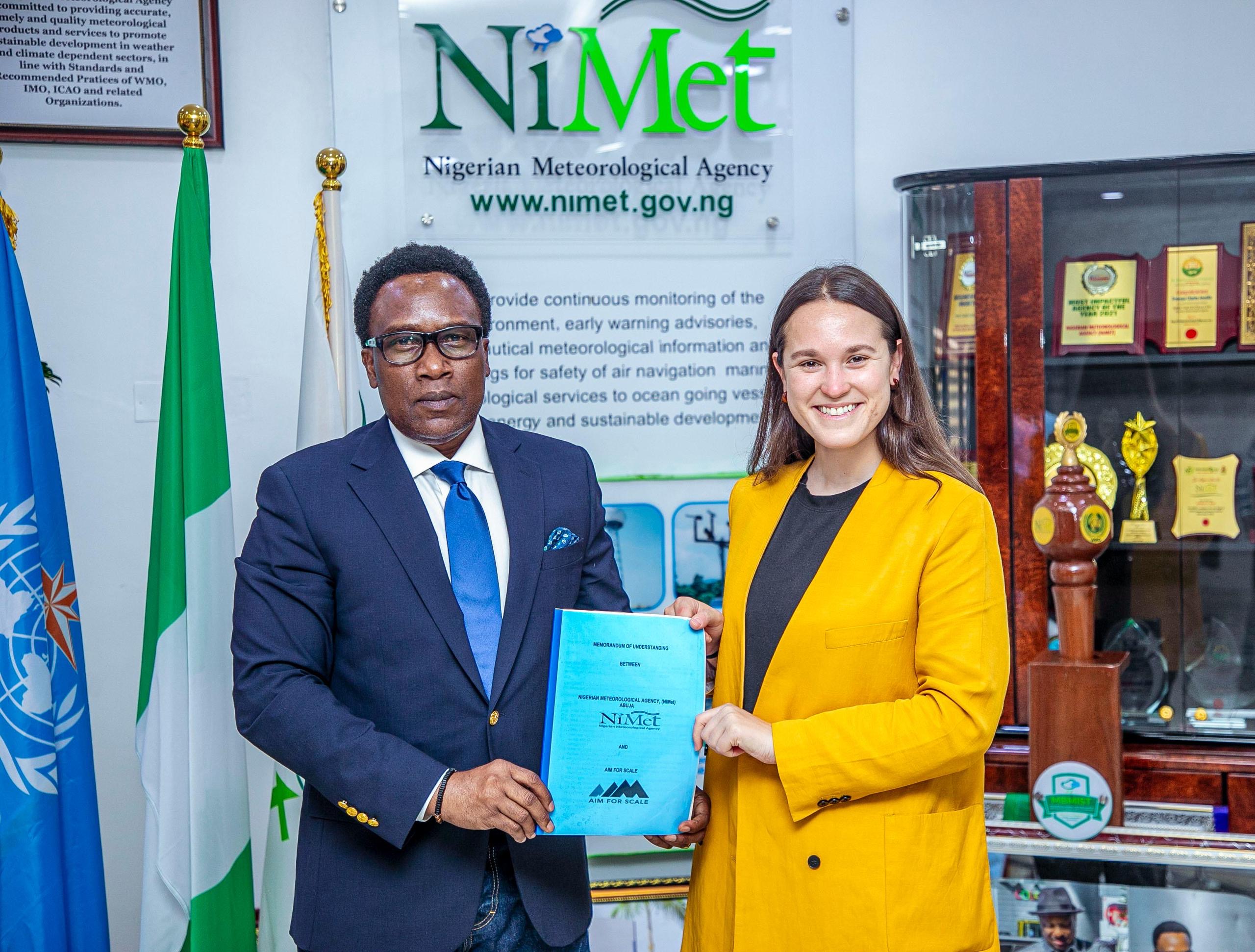
The Nigerian Meteorological Agency (NiMet) has signed a Memorandum of Understanding (MoU) with Agricultural Innovation Mechanism for Scale (AIM for Scale) to strengthen the delivery of climate and weather information to farmers across Nigeria through the integration of artificial intelligence-driven forecasting systems.
The partnership is aimed at improving how weather and climate information is generated and communicated to farmers by combining advanced AI-based weather forecasting with enhanced digital advisory systems. The initiative is expected to translate timely and accurate climate data into practical guidance that will help farmers make informed decisions and reduce their exposure to climate-related risks.
Under the collaboration, NiMet and AIM for Scale—an initiative supported by the International Affairs Office at the UAE Presidential Court and the Bill & Melinda Gates Foundation—will leverage artificial intelligence-driven forecasting technologies to generate weather insights tailored specifically to the needs of farmers. These forecasts will be translated into actionable advisory services that can guide planting schedules, input management, and other critical agricultural decisions.
By providing farmers with reliable rainfall forecasts and climate insights, the initiative is expected to help agricultural producers optimise planting and harvesting periods, manage resources more efficiently, and mitigate the impacts of extreme weather events. The ultimate goal is to enhance agricultural productivity and improve the livelihoods of millions of farmers across Nigeria.
NiMet already plays a critical role in Nigeria’s agricultural and climate information ecosystem by providing early warning advisories, seasonal climate predictions, and digital climate services to farmers and other stakeholders. The new partnership seeks to build on this foundation by integrating AI-powered technologies into existing forecasting systems, strengthening institutional capacity, and expanding the reach of advisory services so that more farmers can access timely and relevant climate information.
Nigeria was among the first group of countries selected to participate in the AI Weather Forecasting Training Programme launched by AIM for Scale in collaboration with Mohamed bin Zayed University of Artificial Intelligence and the University of Chicago in Abu Dhabi in September 2025. The programme was designed to equip countries in Africa, Asia, and Latin America with the tools and technical capacity needed to generate and deliver weather forecasts locally, ensuring that advanced forecasting innovations reach farmers where they are most needed.
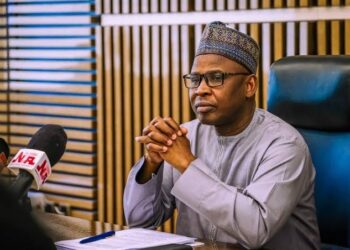
Speaking on the significance of the partnership, the Director-General and Chief Executive Officer of NiMet, Charles Anosike, said the collaboration represents a major step forward in advancing Nigeria’s weather and climate services for the benefit of the agricultural sector.
According to him, farmers will gain access to timely rainfall forecasts and actionable climate information that will enable them to plan their planting and harvesting seasons more effectively and reduce the risks associated with unpredictable weather patterns.
“Providing accurate and timely weather and climate information is essential for national development, food security, and disaster risk management,” Anosike said.
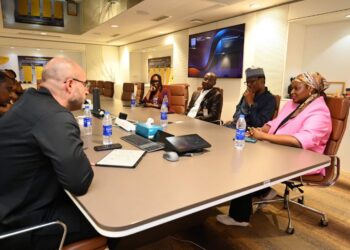
At the MoU signing ceremony held in Abuja, the Director of AIM for Scale, Imara Salas, highlighted the transformative potential of using AI-powered forecasting systems and digital advisory platforms to deliver practical benefits to Nigerian farmers.
She noted that the innovation could lead to improved crop yields, more efficient management of agricultural resources, and increased resilience among millions of smallholder farmers across the country.
Salas added that the initiative demonstrates how technology can drive meaningful and large-scale impact in agriculture when combined with strong institutional partnerships.
The collaboration is expected to significantly strengthen NiMet’s ability to provide actionable climate services to farmers and other stakeholders while advancing innovation in weather forecasting through the integration of artificial intelligence and data-driven technologies.