

By Nkechi Eze
The Executive Chairman of the Economic and Financial Crimes Commission (EFCC), Ola Olukoyede, has commended the United Nations Office on Drugs and Crime (UNODC) for prioritising the fight against corruption and illicit financial flows in its Country Programme for Nigeria covering the period 2026–2030.
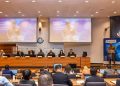
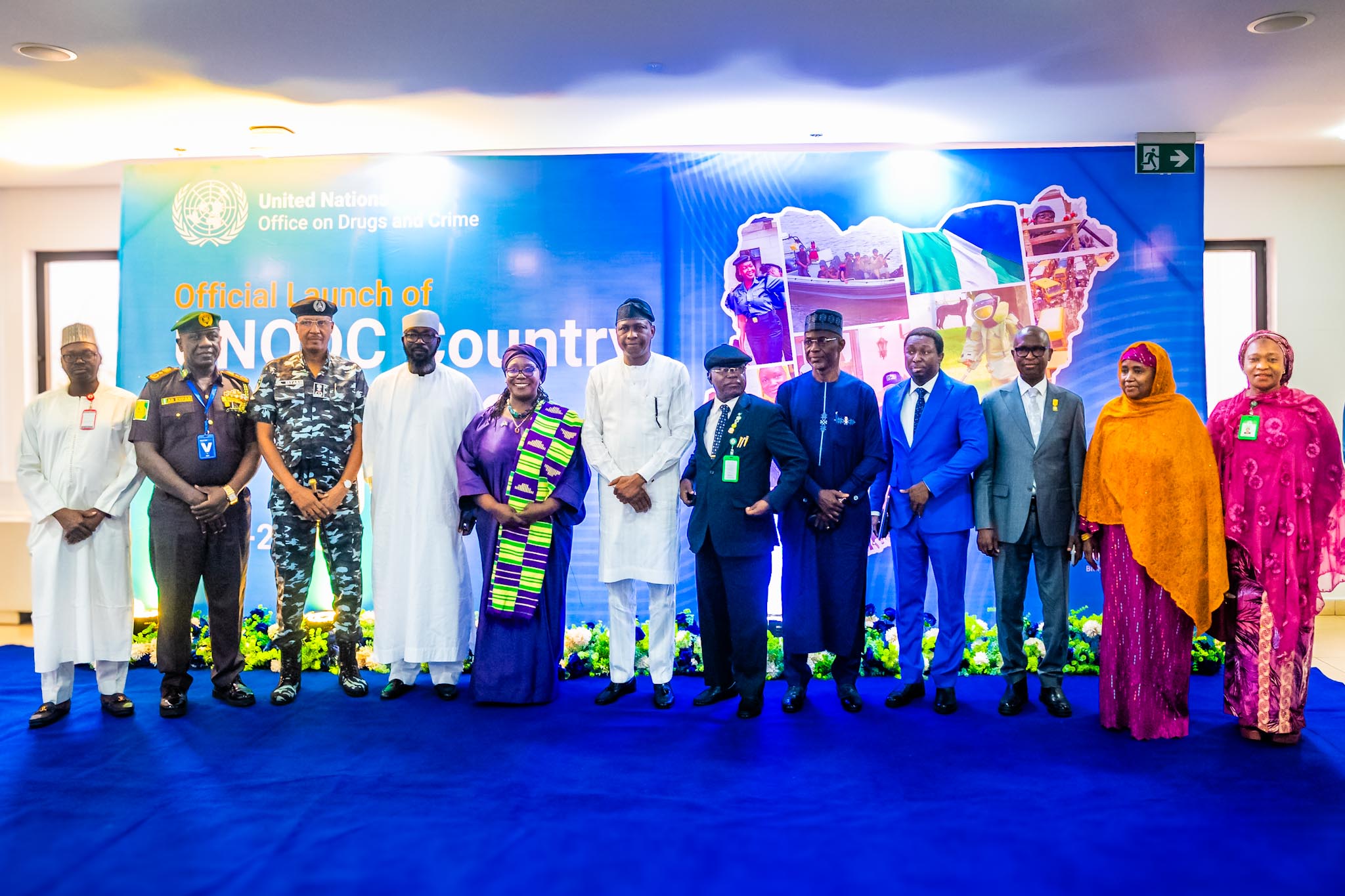
Olukoyede gave the commendation on Friday, March 27, 2026, in Abuja while delivering a goodwill message at the official launch of the programme.
According to a statement issued by the EFCC’s Head of Media and Publicity, Dele Oyewale, the EFCC chairman described corruption as a major threat to national and global development, stressing that initiatives aimed at combating the menace deserve strong support.
“For the EFCC, the programme’s emphasis on combating corruption and illicit financial flows is particularly significant. Corruption continues to impose enormous economic and social costs on our country. Hence the imperatives of sustained action to turn the tide,” Olukoyede said.
He noted that the launch of the programme comes at a critical period when Nigeria and many countries around the world are facing increasingly complex threats from transnational organised crime, corruption, illicit financial flows, terrorism, and cyber-enabled offences.
Olukoyede explained that combating corruption has become even more urgent as criminal networks increasingly exploit advancements in technology, global financial systems, and governance gaps to move illicit proceeds across borders at alarming speed.
According to him, effectively confronting these challenges requires coordinated national responses, stronger institutions, and sustained international cooperation among enforcement agencies and development partners.
The EFCC boss also appreciated the long-standing institutional collaboration between the EFCC and UNODC, expressing confidence that the Country Programme for Nigeria 2026–2030 would deliver significant impact.
He noted that the programme’s focus on capacity development, inter-agency collaboration, and data-driven approaches to tackling organised crime aligns strongly with the EFCC’s mandate and broader commitment to strengthening Nigeria’s anti-corruption framework.
The UNODC, in explaining the significance of the programme, noted that Nigeria’s strategic importance on the continent makes the initiative critical. The organisation described Nigeria as Africa’s largest economy and most populous nation, with projections that its population could reach about 400 million by 2050.
According to the UN agency, Nigeria’s position places it in a unique role to drive positive regional change in governance, security, and anti-corruption efforts across Africa.
The launch of the programme attracted a wide range of stakeholders from the justice and law enforcement sectors, including representatives of the National Judicial Institute, National Drug Law Enforcement Agency, Nigeria Police Force, Independent Corrupt Practices and Other Related Offences Commission, as well as the Office of the Director of Public Prosecution of the Federation, alongside officials from several ministries, departments and agencies.