

By Nkechi Eze
The Nigeria Customs Service (NCS) has disclosed that it granted more than ₦60 billion in customs duty concessions in 2025 to encourage investment in Nigeria’s healthcare sector, particularly by Nigerians in the diaspora, as part of broader efforts to support national development and improve access to medical services.
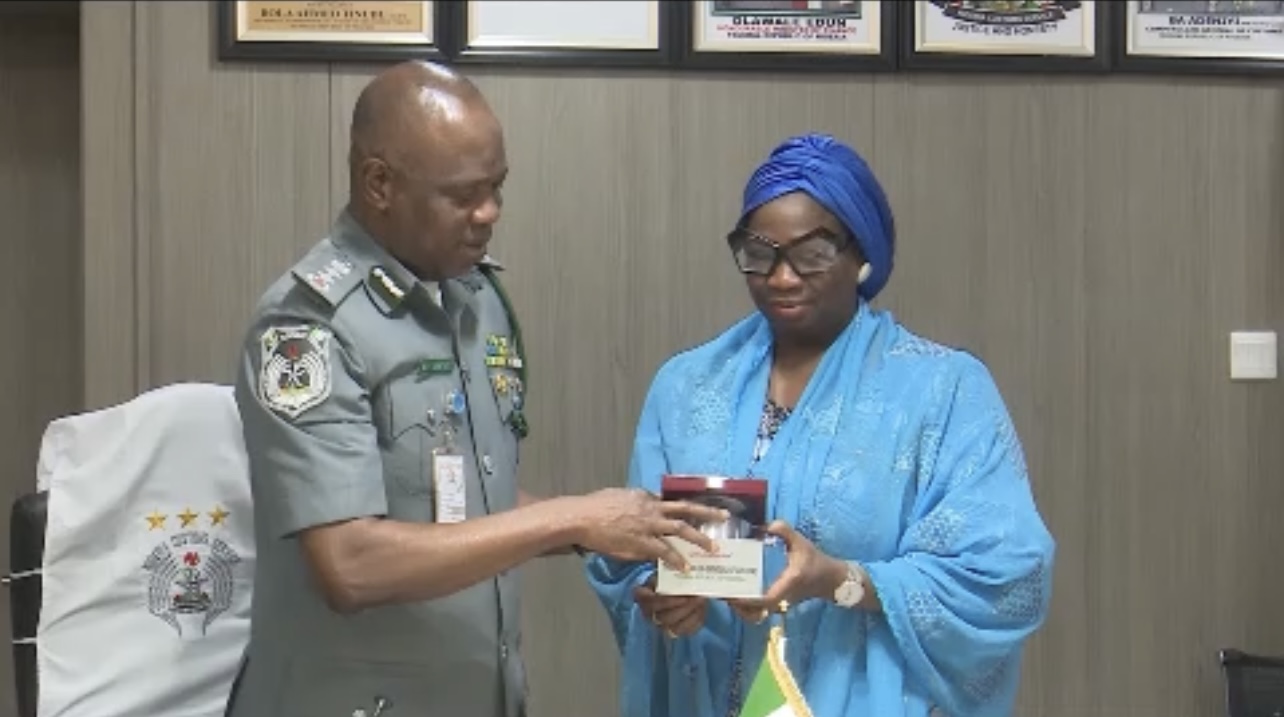
The Comptroller-General of Customs, Bashir Adewale Adeniyi, made the disclosure during a courtesy visit by the Chairman and Chief Executive Officer of the Nigerians in Diaspora Commission (NiDCOM), Abike Dabiri-Erewa, to the Service Headquarters in Abuja, where both agencies reaffirmed their commitment to strengthening collaboration to facilitate diaspora engagement, humanitarian support, and strategic investments.
According to a statement issued by NiDCOM’s Director of Media, Public Relations and Protocols, Abdur-Rahman Balogun, the meeting focused on developing structured cooperation to support Nigerians abroad who contribute to national growth through investments, medical outreach, and humanitarian initiatives.
Speaking during the visit, Dabiri-Erewa briefed the Customs leadership on preparations for the 2026 National Diaspora Day and the Diaspora Health Impact Initiative scheduled to take place from July 20 to 23, 2026, across several states, with the grand finale in Abuja.
She explained that the initiative would involve seven major diaspora medical associations providing specialised healthcare services, medical outreach programmes, and professional training across Nigeria’s six geopolitical zones.
Dabiri-Erewa, however, highlighted persistent challenges faced by diaspora Nigerians when importing medical equipment and humanitarian supplies into the country, and called for the establishment of a clear framework that would support legitimate interventions through duty waivers and faster clearance processes.
She also appealed for Customs’ participation and institutional support for the upcoming diaspora events, including the National Diaspora Day celebrations and the Global Diaspora Summit scheduled to be held in Canada in August 2026.
In his response, Adeniyi commended NiDCOM for strengthening the relationship between Nigeria and its diaspora community and promoting Nigeria’s global image.
He explained that while revenue generation remains a core responsibility of the Customs Service, the agency has increasingly prioritised trade facilitation to improve efficiency, reduce business costs, and encourage investment.
He noted that the Service had already introduced special clearance corridors for perishable and life-saving goods at ports and airports to support critical sectors, particularly healthcare.
“We will be willing to do anything for them that will enhance development back home and our reputation abroad as enablers and not impediments to their progress,” Adeniyi said.
The Comptroller-General emphasised that similar concessions would continue to apply to genuine humanitarian and medical supplies, provided proper documentation, including Import Duty Exemption Certificates from the Ministry of Finance, are presented.
He further revealed that the over ₦60 billion in duty waivers granted in 2025 were part of healthcare sector reforms introduced under the administration of President Bola Ahmed Tinubu to reduce the cost of medical services, discourage overseas medical treatment, and encourage local healthcare investment.
“This is an area we would like Nigerians in the diaspora to key into. Government is deliberately giving up revenue to encourage investment in healthcare. We can have discussions with those interested,” he said.
While cautioning against potential abuse of humanitarian import channels, Adeniyi assured that Customs would continue working with NiDCOM to develop transparent procedures that support genuine interventions while preventing misuse.
He also welcomed NiDCOM’s proposal for joint training programmes and disclosed that the Service’s existing help desk could serve as a dedicated channel for handling diaspora-related matters.
The meeting, attended by senior officials from both organisations, marks a significant step toward institutionalising cooperation between the Nigeria Customs Service and diaspora stakeholders, reinforcing the Federal Government’s commitment to leveraging diaspora contributions for economic growth and national development.