


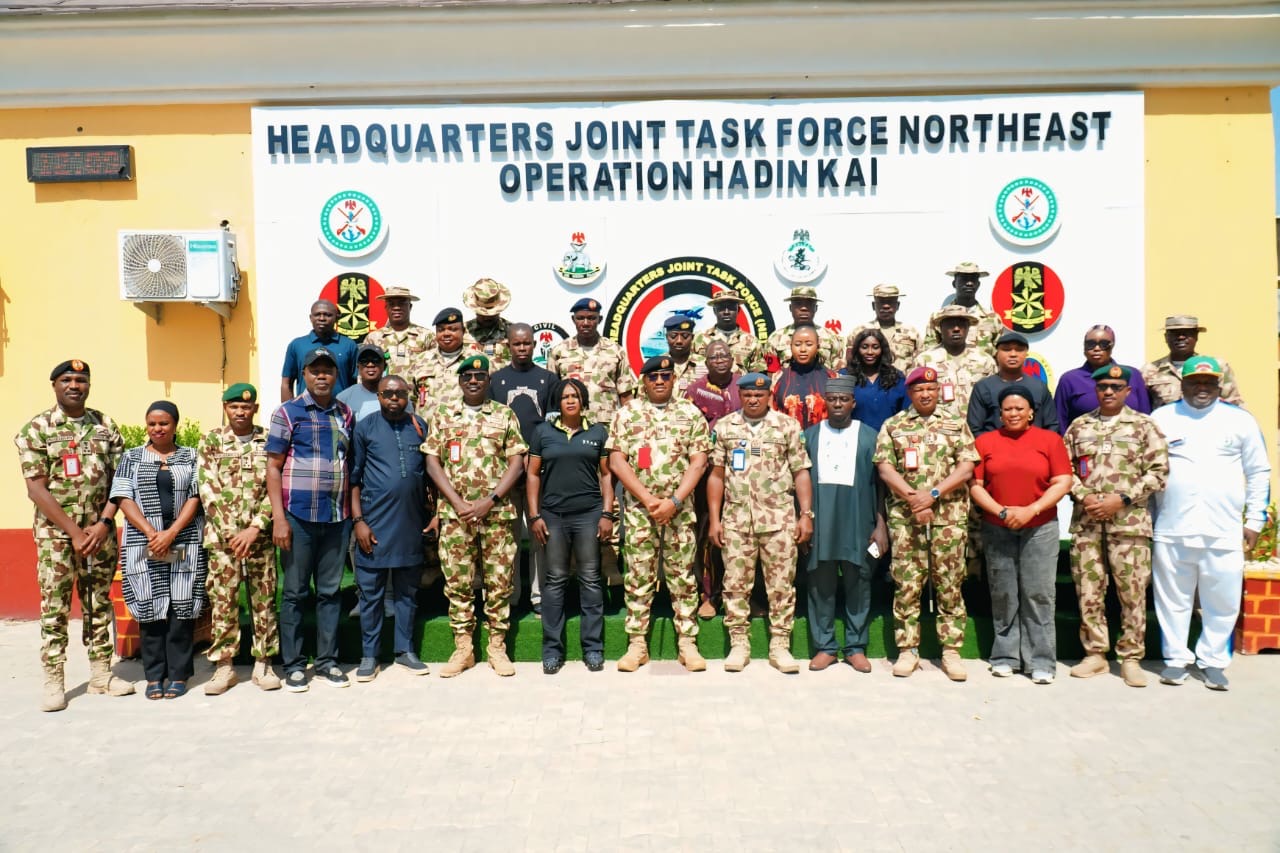
…My first-hand visit to Borno’s capital, facilitated by the Armed Forces of Nigeria, offers an inside look at a city rebuilding its life and confidence through resilience, revival and the stabilizing presence of sustained military operations
By Nkechi Eze
My short journey into Borno’s capital began with mixed emotions, curiosity tempered by quiet apprehension. I had been to Maiduguri before, but that was a long time ago, at a very different point in the city’s story. When my name appeared under Team B for the Defence Media Tour to Operation Hadin Kai, a flicker of unease ran through me. Years of persistent headlines, graphic imagery, and amplified narratives about insecurity in the North East had conditioned a sense of worry long before I set foot on the tarmac. Like many Nigerians who had not seen the city in recent years, I carried assumptions shaped more by distance and memory than by present-day reality. Yet, from the moment the aircraft touched down, those assumptions began to unravel. What unfolded over the following days was not a city frozen in fear, but one rising quietly, guarded by the daily sacrifices of men and women in uniform, sustained by the unyielding hope of its people, and alive in ways the loudest narratives have consistently failed to capture. With every street crossed, every market visited, and every conversation held, Maiduguri revealed itself as a community determined to reclaim normalcy, dignity, and joy.

That initial apprehension soon gave way to reflection: what I was witnessing was not merely a security success story, but a deeply human one, quietly healing, persistently moving forward, and demanding to be understood beyond the shadows cast by its past. Beyond the city itself, the experience was profoundly shaped by the people with whom the journey was shared. Our team lead Group Captain Ibrahim Bukar proved to be an exceptional anchor throughout the tour, measured, attentive, and remarkably adept at managing a group of individuals with different temperaments, backgrounds, and expectations. In moments where tension might naturally arise, as it often does when diverse personalities are brought together under demanding conditions, his calm disposition and quiet authority steadied the group. He created space for concerns to be expressed, misunderstandings to be resolved, and focus to be restored, ensuring that the collective objective was never lost. That leadership set the tone for the entire trip.
Equally significant was the camaraderie that developed among team members. Each person, in their own way, contributed to making the journey memorable and worthwhile. The shared jokes, spontaneous laughter, familiar hailings of one another, subtle yabs exchanged in good humour, spirited arguments that never lingered, and moments of collective reflection all blended into an atmosphere of genuine connection. Those interactions, sometimes light-hearted and sometimes intense, reminded us that even in environments shaped by serious national conversations, human bonds remain essential. By the end of the trip, it became clear that the experience was not only about witnessing the evolving realities of Maiduguri or understanding military operations firsthand, but also about the relationships formed along the way. Together, as a team, we transformed what could have been a routine assignment into a meaningful shared journey, one that underscored the power of leadership, mutual respect, and collective spirit in making any experience truly worthwhile.
A City Long Misunderstood
For years, Maiduguri has been trapped in a single story, one shaped almost exclusively by insurgency, displacement, and fear. It is a narrative repeated so relentlessly that it has eclipsed the humanity, culture, and quiet resilience of the people who call the city home. In the national consciousness, Maiduguri has too often existed as a cautionary tale rather than a living city. Yet cities are not defined solely by their darkest chapters; they are ultimately defined by how they respond to trauma, how they rebuild amid uncertainty, and how they reimagine themselves when survival gives way to hope.
My recent trip to Maiduguri, though brief, proved profoundly illuminating. It was a journey that peeled back layers of exaggeration and long-held assumptions, replacing them with lived realities, unfiltered conversations, and visible signs of recovery etched into daily life. I encountered streets where commerce flowed freely, communities finding their rhythm again, and people who spoke not only of what they had endured, but of what they were determined to restore. What emerged was not a city paralysed by fear, but one cautiously confident, alert yet hopeful, wounded yet resilient, steadily normalising and unmistakably alive. In that contrast between perception and reality lay the most compelling story of all: a city quietly insisting on its right to move forward
Operation Hadin Kai: The Weight of Sacrifice
Visiting the Operation Hadin Kai Theatre Command Headquarters offered an unparalleled and sobering insight into the realities of Nigeria’s counter-insurgency campaign in the North East. This was not a ceremonial or symbolic stop designed for optics; it was a working environment where strategy is shaped by urgency, terrain, intelligence, and the ever-present responsibility of protecting both national sovereignty and civilian lives. The visit provided a rare opportunity to observe, at close range, how security decisions are conceptualised, coordinated, and executed in one of the country’s most complex operational theatres.
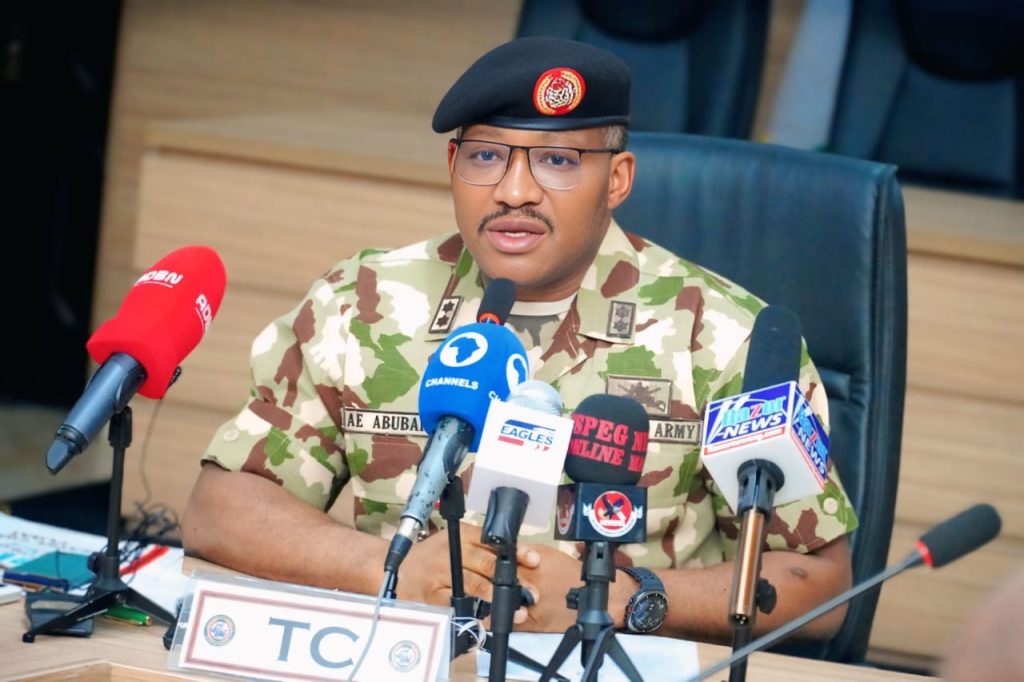
Through detailed briefings delivered by the Theatre Commander, Major General Abdulsalam Abubakar, I gained a deeper appreciation of the discipline, strategic depth, and institutional resolve that underpin ongoing operations. His engagement reflected clarity of purpose and a firm grasp of both the military and humanitarian dimensions of the conflict. It became evident that success in this theatre is not defined solely by kinetic victories, but by sustained pressure, adaptive tactics, intelligence-driven planning, and an acute understanding of the socio-cultural environment in which operations are conducted.
The scope of activities under Operation Hadin Kai extends far beyond combat engagements. Intelligence gathering, surveillance, and reconnaissance form the backbone of operational planning, supported by inter-agency cooperation involving other security services and critical government institutions. Equally central is the protection of civilians, the securing of critical infrastructure, and coordination with humanitarian actors to enable access to displaced populations. Post-conflict stabilisation efforts, including the facilitation of safe returns, community reassurance, and support for civil authorities, underscore the multidimensional nature of the mission. Every operational decision reflects a delicate balance between achieving security objectives and upholding ethical responsibility, particularly in densely populated or vulnerable areas.

Listening to the Theatre Commander, it became clear how consistency, patience, and tactical restraint have played a decisive role in restoring confidence across Maiduguri and its environs. Progress in the theatre is incremental rather than dramatic, built through persistence rather than spectacle. This measured approach has contributed significantly to the gradual return of economic activity, social interaction, and public trust. Elements that are just as critical to lasting peace as battlefield gains.
Yet, beyond maps, briefings, and command structures, the visit underscored the deeply human cost of peace. Behind every operational success are men and women in uniform who shoulder immense responsibility under difficult and often dangerous conditions. Their sacrifices are largely unseen, their routines demanding, and their commitment constant. Many operate far from their families, enduring physical and psychological strain while remaining focused on a mission that directly impacts the lives of millions.
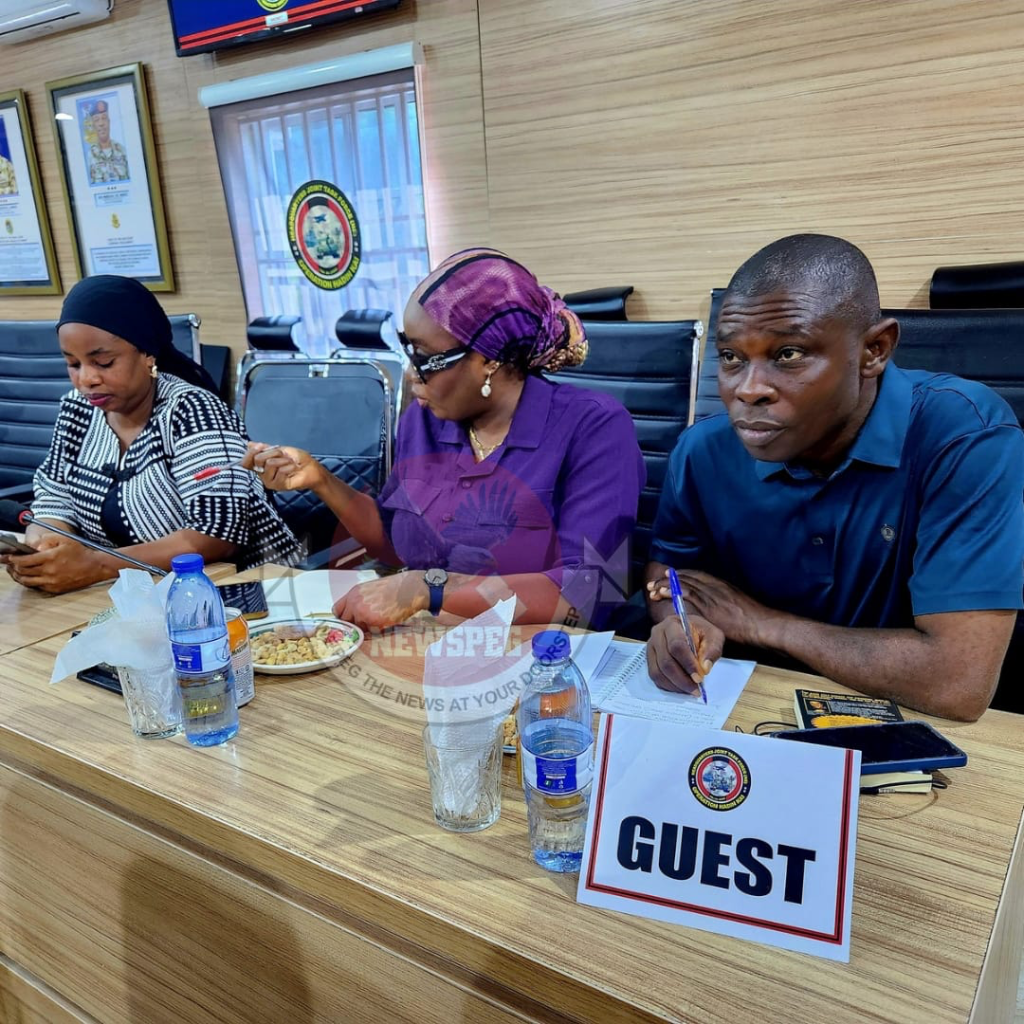
My time at the Theatre Command reinforced a fundamental truth: sustainable security is a collective national project. While the Armed Forces carry the burden of frontline engagement, enduring peace requires sustained patriotism, informed public support, and institutional backing from across society. The presence of the military in the North East continues to anchor hope in communities emerging from years of trauma, and their efforts deserve not only recognition, but understanding. What I witnessed at the Operation Hadin Kai Theatre Command was not simply a military operation in progress, but a disciplined, evolving effort to reclaim stability, dignity, and normalcy, one deliberate step at a time.
Inside the Joint Investigation Centre: Justice with Dignity
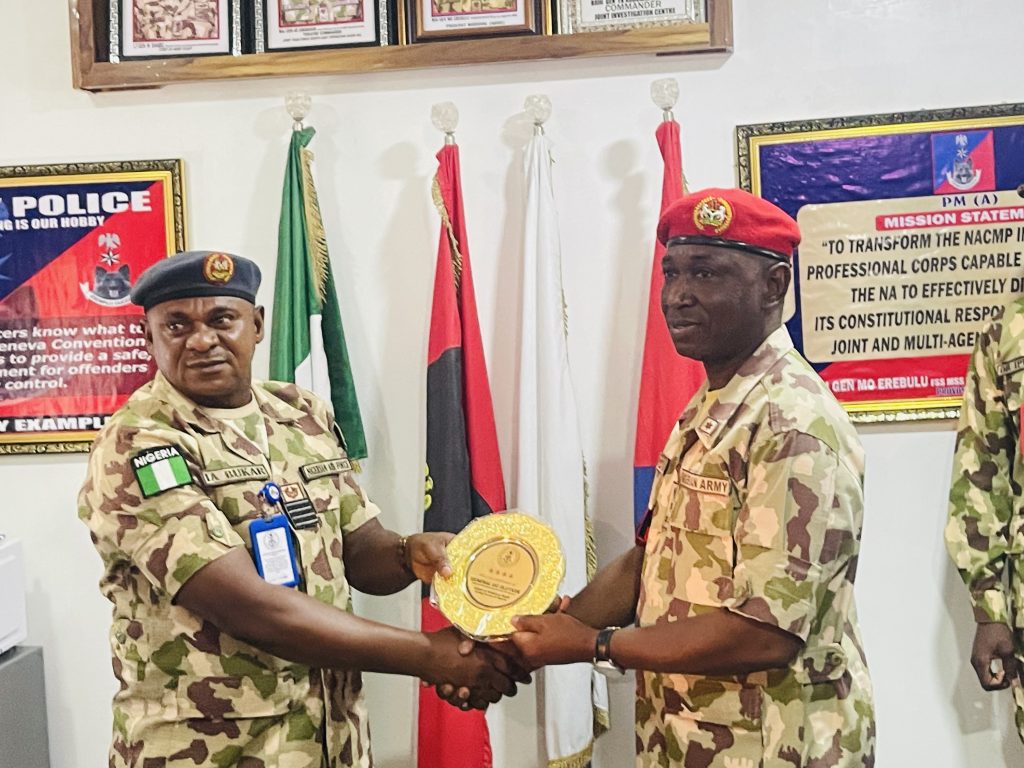
The Joint Investigation Centre (JIC) offered a rare and revealing window into a dimension of Nigeria’s security architecture that is seldom visible to the public. Far removed from the battlefield narratives that often dominate discussions on counter-terrorism, the JIC operates at the intersection of security, justice, and human rights. It is within this framework that over 1,200 suspected terrorists arrested across the North East have had their investigations concluded and are now awaiting trial, processed under clearly defined procedures that emphasise due process, accountability, and strict adherence to the rule of law.
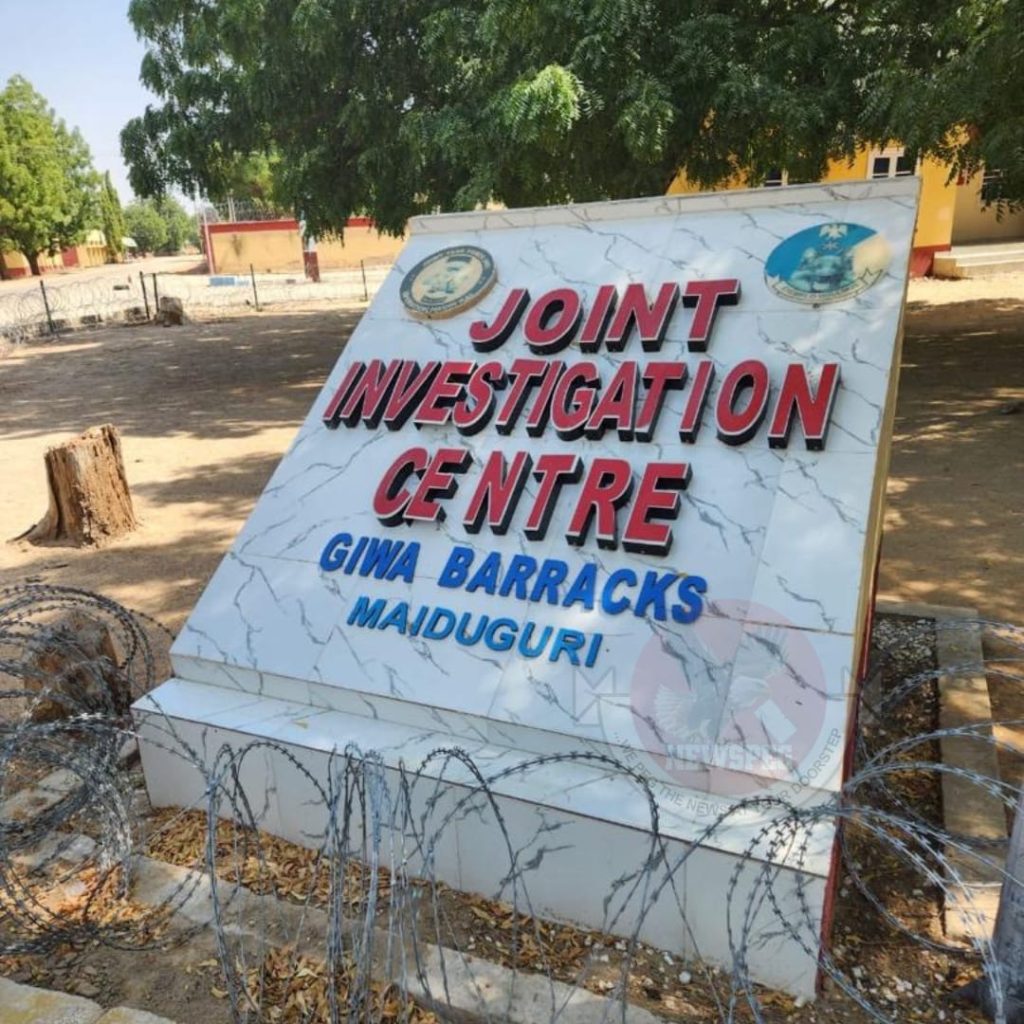
Walking through the facility, the intentional design and structured organisation of the centre immediately stood out. Separate male and female holding areas reflect sensitivity to gender considerations, while dedicated learning spaces for children underscore a clear institutional recognition that children should not bear the brunt of their parents’ wrong decisions. These child-focused spaces are deliberately designed to protect minors from further psychological harm, preserve their right to education and normal development, and prevent the transfer of trauma, resentment, or extremist ideology to a new generation. By prioritising learning, routine, and age-appropriate engagement, the centre affirms that safeguarding children is both a moral obligation and a long-term security imperative.
Educational programmes and structured skill-acquisition initiatives are embedded into daily routines across the facility, ensuring that detention does not devolve into prolonged idleness. Instead, time is channelled toward mental engagement, vocational exposure, and behavioural redirection. This approach recognises that sustainable security is not achieved solely through containment, but through deliberate efforts to address the underlying conditions that allow violent extremism to persist.
The attention to welfare within the JIC was equally evident. Nutritious meals, access to healthcare, clean living conditions, and the provision of basic amenities are treated as standard practice rather than exception. These measures are not gestures of indulgence, but strategic policy choices aligned with international detention standards. By maintaining humane conditions, the centre reduces the risk of further radicalisation within custody, preserves the integrity of investigations, and reinforces the legitimacy of the justice process in the eyes of both detainees and the wider public.
Beyond classrooms and holding areas, the presence of operational farms, fish ponds, and livestock projects added another layer to the centre’s rehabilitative framework. These initiatives instil discipline, responsibility, and a sense of productivity among detainees, while also promoting self-sufficiency and practical skill development. More importantly, they introduce pathways that can support reintegration for individuals who are eventually cleared, rehabilitated, or released through lawful processes. In this respect, the JIC functions not only as an investigative hub, but as a transitional environment that acknowledges the long-term societal consequences of conflict.
Ultimately, the Joint Investigation Centre represents a carefully calibrated balance between national security imperatives and human dignity. It demonstrates that confronting terrorism does not require the abandonment of ethics; rather, it affirms that justice anchored in fairness, transparency, and respect for human rights is essential to lasting peace. By embedding rehabilitation, education, and humane treatment into every stage of the investigative process, the centre actively works to disrupt cycles of violence, reduce grievance-driven resentment, and prevent future radicalisation.
In a region emerging from years of sustained conflict, institutions like the JIC play a critical stabilising role. They reinforce public confidence in the state’s capacity to confront security threats without sacrificing moral authority. More broadly, the centre reflects a strategic shift from purely reactive security measures toward a more holistic model, one that recognises that peace, justice, and social cohesion areinseparable. What I encountered at the Joint Investigation Centre was not merely a detention facility, but a purposeful institution striving to lay enduring foundations for long-term stability by addressing both the human and security dimensions of conflict.
Molai Community: Peace Has Returned, But Needs Support
In Molai, a community once ravaged by Boko Haram, the presence of troops manning checkpoints provided visible reassurance. Yet what struck me more were the voices of the residents, reflecting cautious hope alongside candid recognition of ongoing challenges.
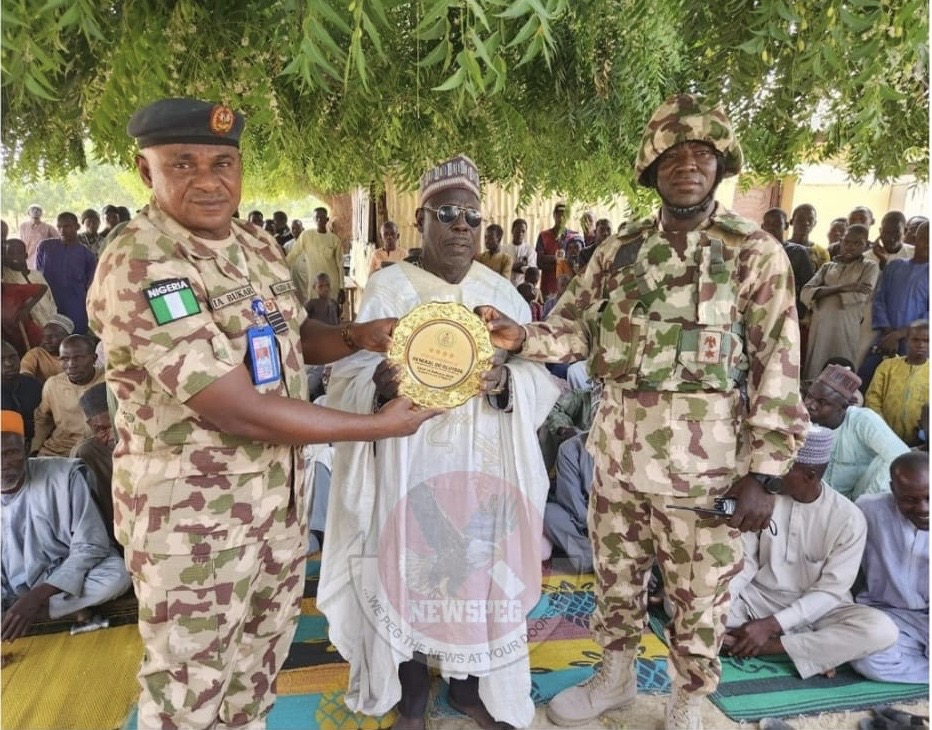
Modu Kiyari, a 25-year-old indigene, expressed both gratitude and practical concerns:
“Security has improved greatly. We thank the Chief of Defence Staff and the Armed Forces of Nigeria. People are coming back. Our main problem now is water and healthcare. We also need more houses so our displaced brothers and sisters can return fully.”
Ali Yunus, a 43-year-old farmer, echoed this sentiment:
“We are farming again. Peace is here. But we need boreholes and a health facility. That is all we ask.”
Their words captured the essence of recovery in Molai: security has opened the door to normalcy, but basic infrastructure is urgently needed to consolidate peace.
Tugunshe Community: Stability with Simple Needs
The story was similar in Tugunshe, another community slowly reclaiming normal life. Children returned to school, markets thrived, and residents engaged in daily routines with growing confidence.
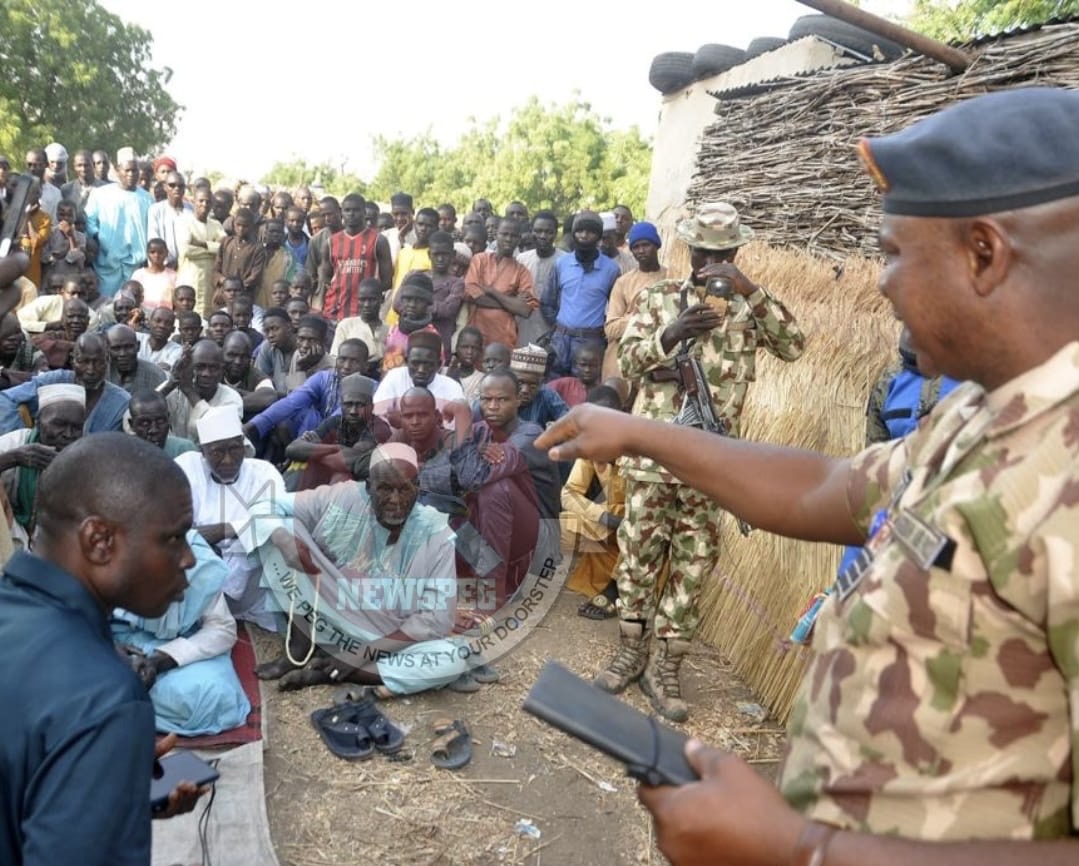
Aisha Bukar, a trader, noted:
“We feel safe now. Our children go to school again. People are coming out, trading, rebuilding. Hope is returning.”
Malam Ibrahim Goni, an elder, highlighted the remaining needs:
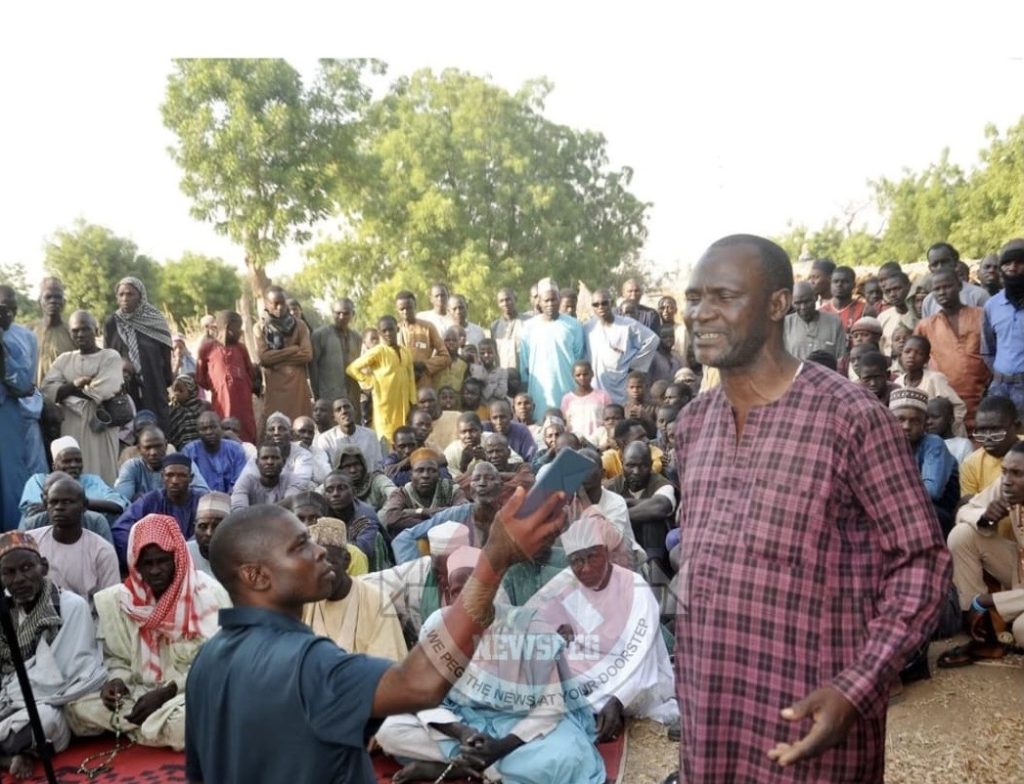
“The only challenges left are water and healthcare. Everything else is gradually coming back. If the government helps us with these basics, life here will be almost complete.”
Zainab Lawan, a young mother, summarized the sentiment poignantly:
“Peace is here. We just need water to drink and a place to treat our sick. That is all we ask.”
Our visit to the Military Cemetery: a sobering reminder of the men and women who gave their lives in service to Nigeria.
Our visit to the military cemetery was, without question, the most emotionally arresting moment of the entire journey.
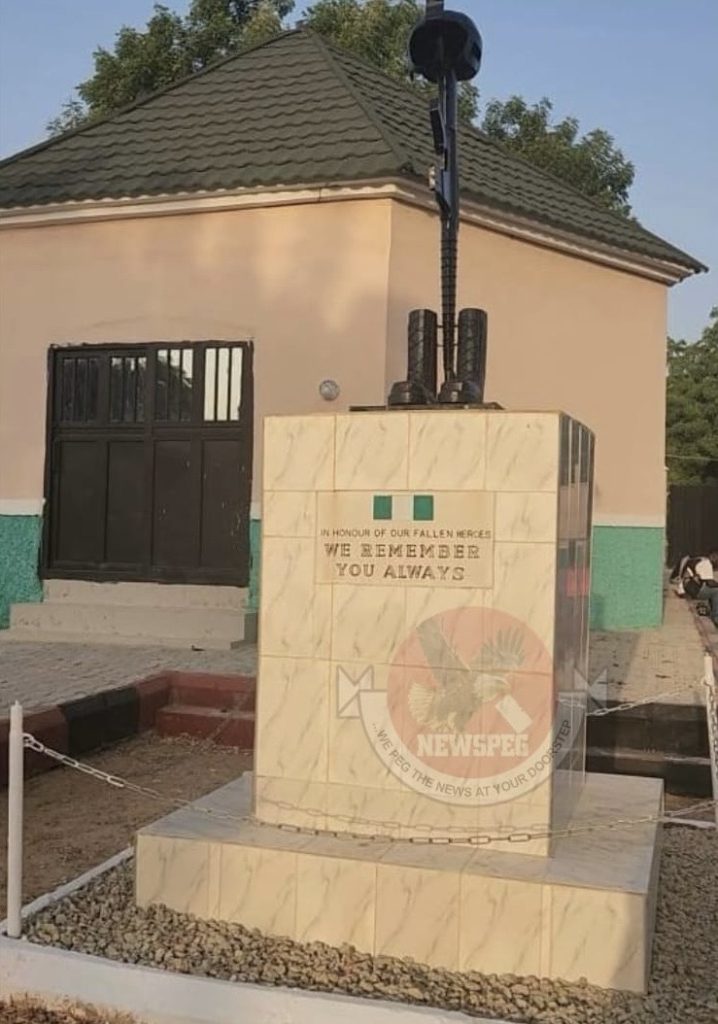
Nothing quite prepares you for the quiet weight of a place where thousands of graves stretch into the distance, row after row, marked with disciplined uniformity and solemn dignity.
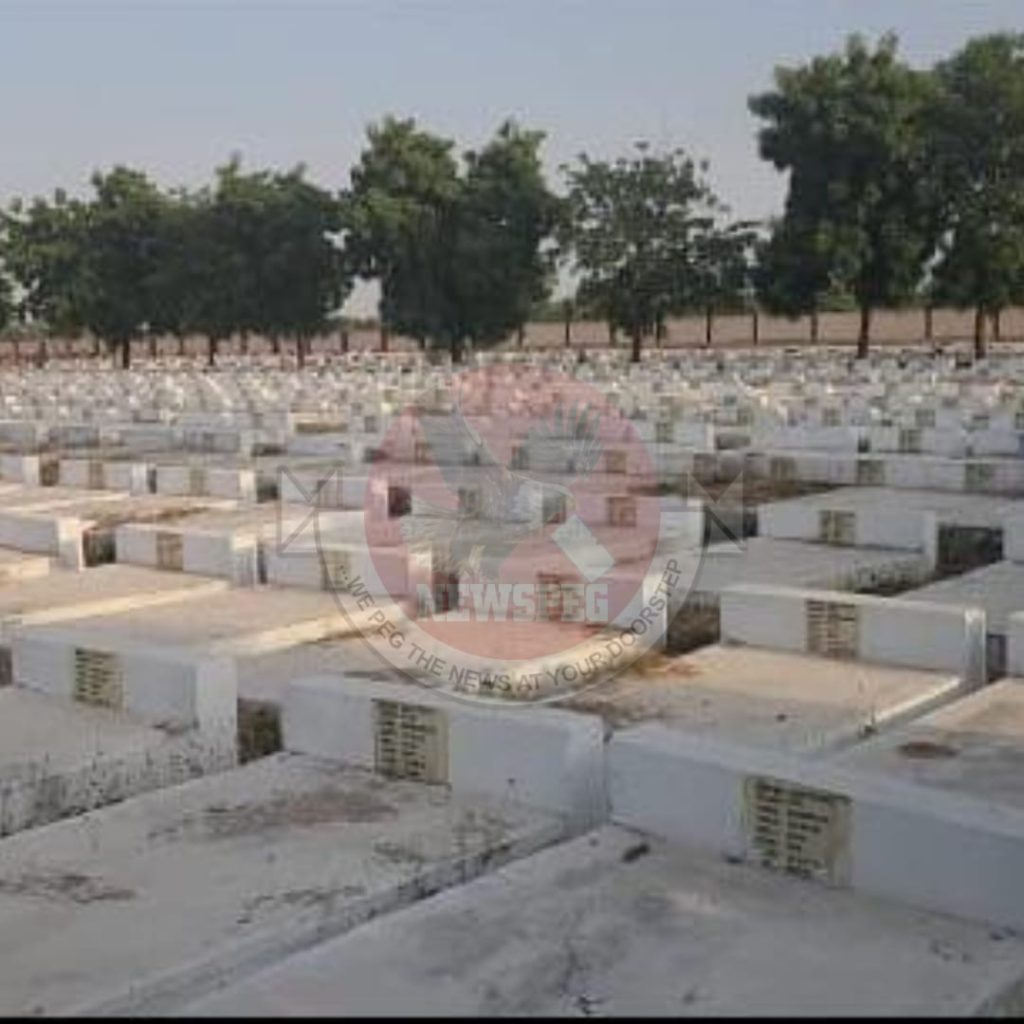
Each grave represented a life given in service to the nation, fathers, mothers, sons, daughters, brothers, and sisters whose personal stories were interrupted so that Nigeria might endure. Standing there, the scale of sacrifice moved beyond statistics and briefings; it became deeply personal, painfully real, and impossible to ignore.
The atmosphere was heavy with reverence. There were no loud sounds, no need for commentary. Silence itself seemed to speak of courage, of duty, of promises kept at the highest cost. These were not anonymous losses; they were men and womenwho once laughed, hoped, planned futures, and loved families. They wore the nation’s uniform and stood in harm’s way so that millions of Nigerians they would never meet could sleep in relative peace. In that moment, the phrase “fallen heroes” ceased to be ceremonial language and revealed its true meaning.
The visit stirred a sobering reflection within me. It forced an honest reckoning with the reality of this war against insurgency: we have lost soldiers, many of them. Too often, public discourse reduces the conflict to abstract debates, political arguments, or social media soundbites, forgetting that real blood has been shed and real families permanently altered. Each grave is evidence that the cost of national security is not theoretical. It is borne daily by individuals who answered the call of duty without certainty of return.
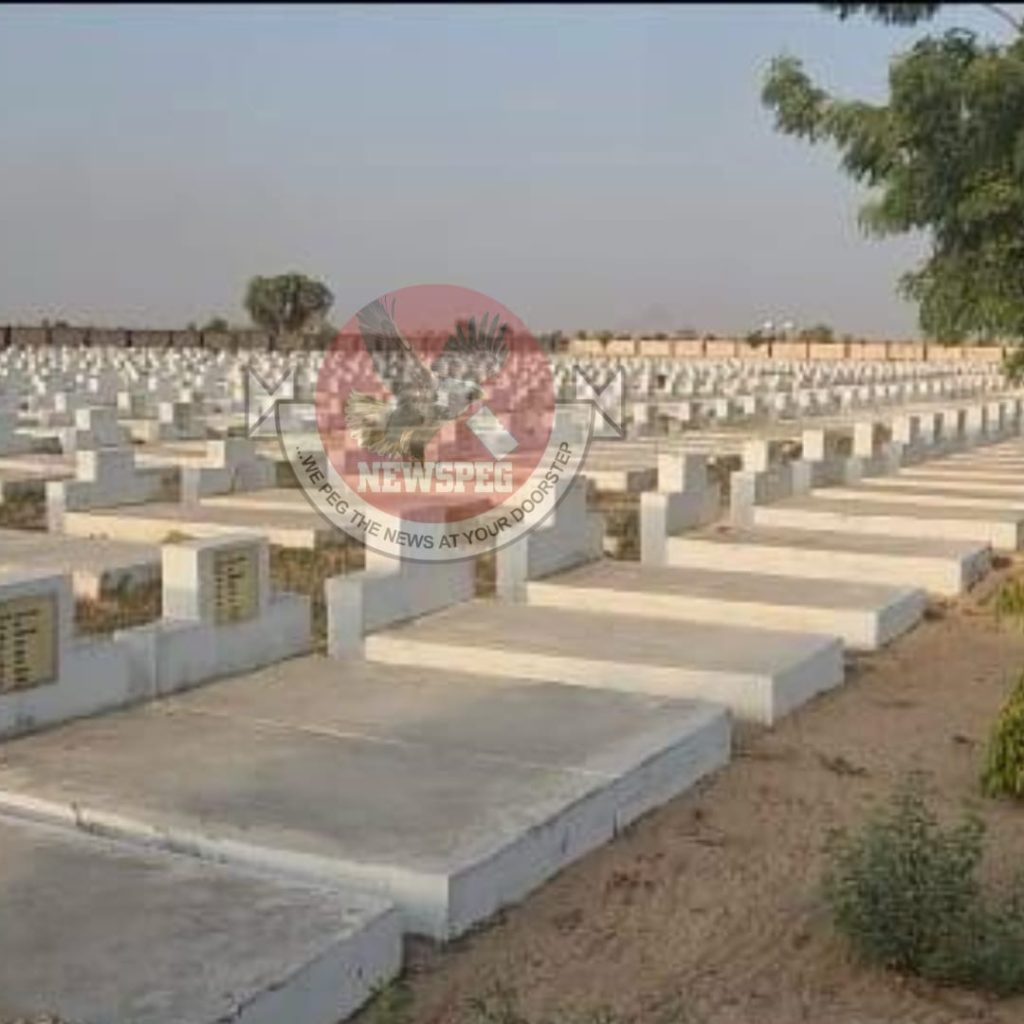
What struck me most was the quiet dignity of the place. There was no spectacle, only honour. It underscored how much of the military’s sacrifice happens away from public view, without applause or recognition. Yet, these fallen soldiers represent the very foundation upon which current gains in security are built. Every reclaimed road, reopened market, and returning community carries their unseen imprint.
This is why the public must know and must remember that peace is not free. It is paid for with lives, resilience, and unyielding commitment. Nigerians owe their military and security agencies more than casual acknowledgement; they deserve appreciation, understanding, and sustained moral support. Constructive criticism has its place in a democracy, but it must never erode national unity or diminish the honour of those who stand guard on our behalf.
Leaving the cemetery, I felt a renewed sense of responsibility, not just as a witness, but as a citizen. Speaking well of one’s country does not mean denying its challenges; it means recognising the sacrifices made in confronting them. It means choosing gratitude over indifference and patriotism over cynicism. The true heroes of Nigeria lie in that sacred ground, and the least we can do is ensure that their service is remembered, their families are honoured, and their sacrifice continues to inspire a deeper collective commitment to peace, unity, and nationhood.
Markets, Commerce, Culture, Confidence and the Pulse of Daily Life
Walking through Maiduguri’s markets and neighborhoodsrevealed a city buzzing with economic activities. Stalls overflowed with fresh produce, grains, spices, and fish, while vendors called out prices, laughing and negotiating with customers. The aroma of grilled suya and local delicacies mingled with the dust of motorable streets, creating a vivid sensory experience.
Costs were affordable, transportation was fair, and the roads largely navigable, making daily life and commerce remarkably smooth. At the fish market, the energy was palpable:
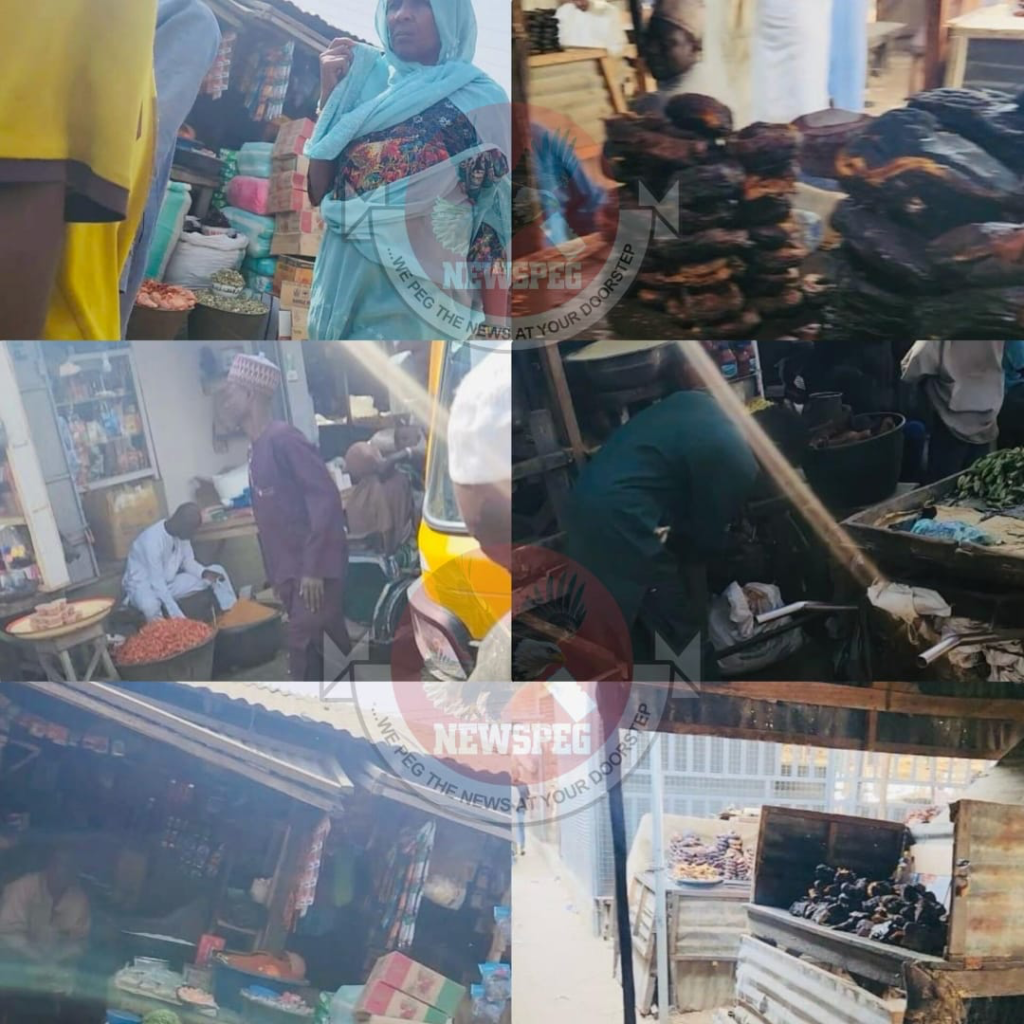
Fatima Musa, a trader, said:
“Sales are good. People are no longer afraid.”
Usman Shettima, a wholesaler, observed:
“Buyers now come from outside Maiduguri again.”
Grace Okeke, an Igbo fish retailer, added:
“I trade here comfortably, the people are friendly, I can comfortably say that Maiduguri is safe compared to before.”
These interactions highlighted not just commerce, but the resilience, optimism, and inclusivity of a city reclaiming its social and economic heartbeat.
Nightlife, Culture, and the Social Pulse
As evening fell, Maiduguri revealed yet another side: its vibrant social life. Restaurants, lounges, and clubs came alive, spilling music, conversation, and laughter into the streets. I visited a popular suya spot, where locals gathered to share stories over well-seasoned skewers, their energy undimmed by past insecurity.
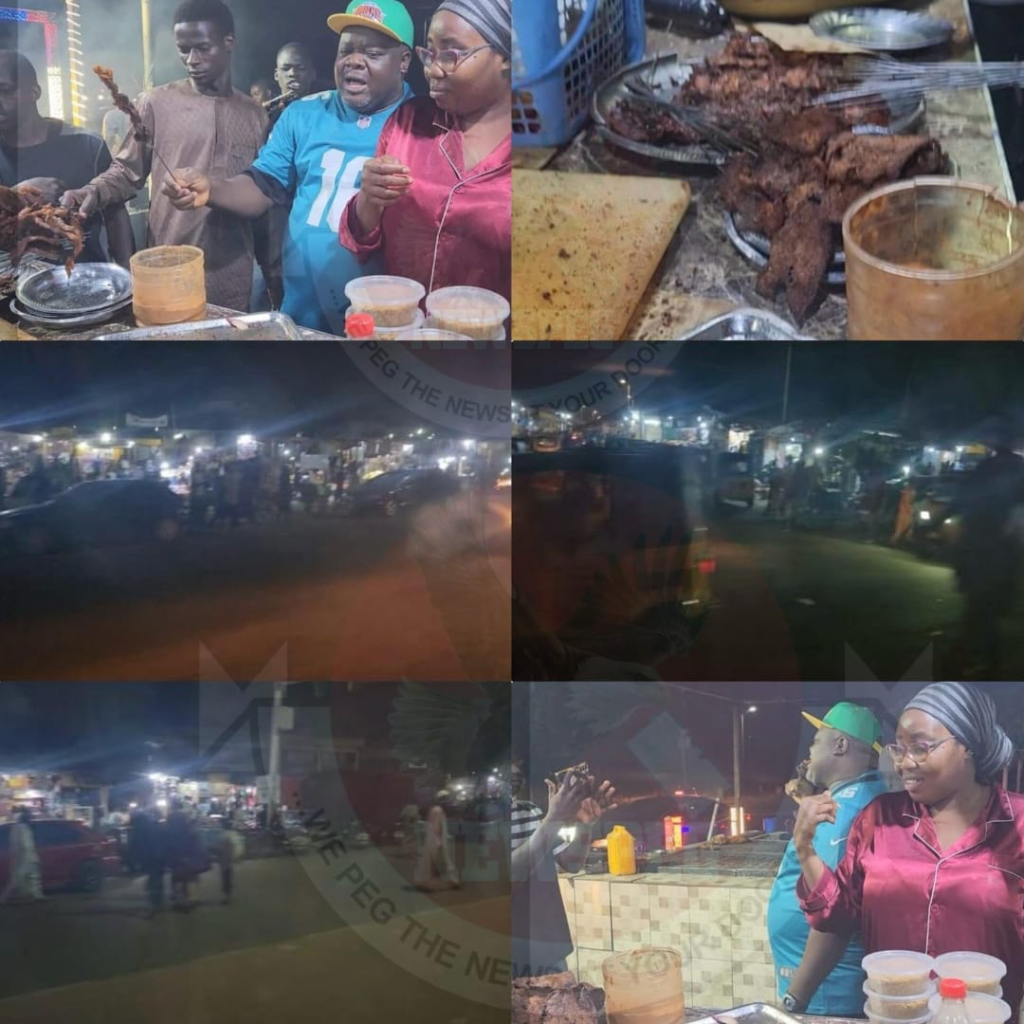
I sampled traditional delicacies, including fara, marinated fried grasshopper, a culinary emblem of Borno’s rich heritage.

I dressed modestly, but without feeling compelled to wear a hijab to “fit in,” and at no point was I harassed. Respect, tolerance, and hospitality were evident in every interaction, whether in bustling markets, street corners, or social hubs.
The city’s affordable cost of living, accessible transportation, and navigable roads further reinforced the sense of normalcy. Pubs and cafés buzzed with laughter, church crusades took took place under open skies without fear of being attacked, illustrating a city alive, confident, and socially buoyant.
Voices from the Officers’ Mess
At the Officers’ Mess, a staff member who requested anonymity shared her perspective:
“Maiduguri is peaceful. People exaggerate its dangers. Life here is normal, social, and warm.”
An anonymous source added:
“Maiduguri today is socially vibrant. There are clubs, gatherings, weddings, and late-night hangouts. The cost of living is affordable, food is plentiful, and people are hopeful. What lags behind reality is the narrative.”
These reflections confirmed what I had experienced firsthand: a city quietly reclaiming its rhythm, resilience, and humanity.
A Call for Support, and a Note of Gratitude
While security has significantly improved and the rhythm of normalcy steadily returns, Molai and Tugunshe communities still face urgent needs. Access to clean water and functional healthcare remains critical. Without these essentials, the peace painstakingly restored risks being fragile and incomplete. I therefore make a heartfelt and respectful plea to the BornoState Government and international development organizations: please step in and consolidate these gains by ensuring these communities can thrive fully and safely.
Finally, I extend my profound gratitude to the Chief of Defence Staff, General Olufemi Oluyede; the Director of Defence Media Operations, Major General Michael Onoja; the entire staff of the Directorate of Defence Media Operations; and the Armed Forces of Nigeria for granting journalists the rare privilege of witnessing the Theatre Command and other strategic locations in Maiduguri firsthand. Though the stay was brief, it was deeply enriching. Every moment, every conversation, and every street walked contributed meaningfully to the experience and was truly worth the while. The exposure gained will undoubtedly strengthen our capacity to tell more informed, balanced, and compelling stories about the sacrifices, resilience, and successes of Nigeria’s military in the ongoing fight against insurgency.
Maiduguri is no longer merely a story of survival. It is a story of revival, resilience, and relentless hope. A city that has endured its darkest days is now steadily reclaiming its heartbeat quietly, persistently, and with remarkable courage. This transformation has not occurred by chance; it has been made possible by the sacrifices, vigilance, and commitment of Nigeria’s military and security agencies, whose presence continues to safeguard lives and restore confidence. Maiduguri’s triumphs, its humanity, and its everyday victories must therefore be told honestly, vividly, and in full, both as a testament to the resilience of its people and as a tribute to those who have stood, and continue to stand, in defence of the nation.

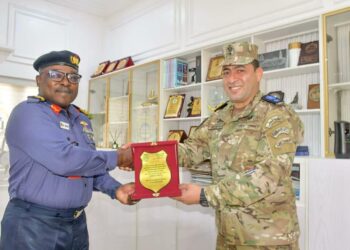
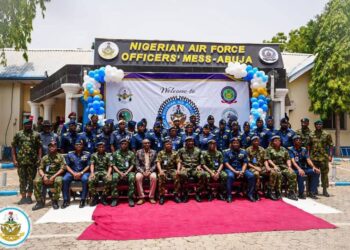







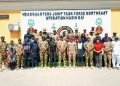




Highlighted the gradual return to normalcy, the resilience of people, and the reopening of the city to people from outside speaks volumes. Your report humanized the place and gave voice to progress that often goes unnoticed. You truly did justice to the story. Well done to You, team lead and the crew at large
Highlighted the gradual return to normalcy, the resilience of traders, and the reopening of the city to people from outside speaks volumes. Your report humanized the place and gave voice to progress that often goes unnoticed. You truly did justice to the story. Well done to You, the team lead and the crew at large
What a great expository news that gives light to the believe system of people about Madiguri and the state of military operations that gives values to humanity.