

By Nkechi Eze
The Executive Chairman of the Economic and Financial Crimes Commission (EFCC), Ola Olukoyede, has identified repeated adjournments, interlocutory proceedings and congested court schedules as some of the major factors responsible for delays in the prosecution and resolution of corruption cases in Nigeria.
Olukoyede also identified difficulties in securing witnesses, delays in obtaining documentary evidence and the reassignment of part-heard cases as challenges undermining the speedy administration of criminal justice.
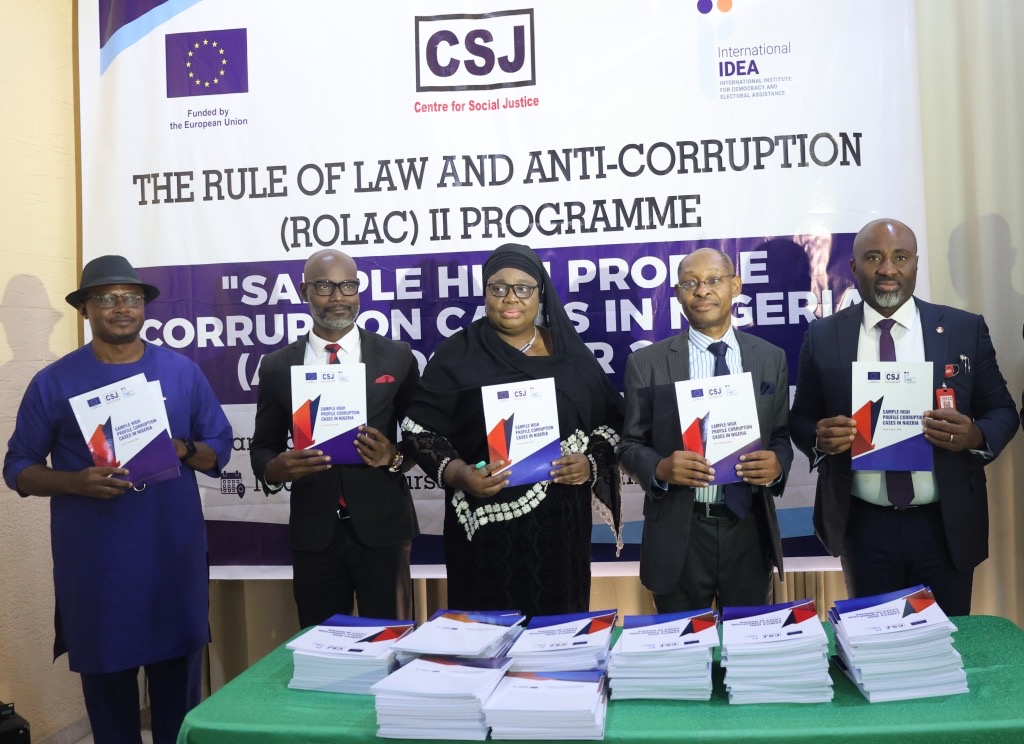
He made the observation on Thursday, November 27, 2026, in Abuja at the public presentation of a report titled “Sample High Profile Corruption Cases as at October 2026,” organised by the Centre for Social Justice (CSJ).
According to an official statement signed by the EFCC Head of Media and Publicity, Dele Oyewale, the EFCC chairman, who was represented by his Chief of Staff, Commander of the EFCC, CE Michael Nzekwe, said prolonged corruption trials were rarely the fault of a single institution or circumstance, requiring collective responsibility among stakeholders in the justice delivery system.
He called for stronger collaboration among the judiciary, legislature, legal profession, civil society organisations and law enforcement agencies to ensure diligent investigations, credible prosecutions and timely resolution of criminal cases.
Olukoyede stressed that an effective criminal justice system must protect constitutional rights, minimise avoidable delays and deliver judgments capable of commanding public confidence.
He warned that prolonged litigation increases the financial burden on both prosecution and defence, while the uncertainty associated with delayed trials takes a toll on defendants, victims and institutions.
The EFCC chairman, however, reaffirmed the Commission’s commitment to tackling economic and financial crimes without fear or favour, guided by evidence, professionalism and respect for the rule of law.
He disclosed that the Commission was strengthening its internal processes to improve investigations and ensure better preparation of cases before prosecution.
According to him, the reforms include thorough investigations, careful preparation of charges, proper preservation of evidence and adequate preparation of witnesses to give truthful testimony.
He also emphasised the need for improved cooperation between investigators and prosecutors from the earliest stages of complex investigations to minimise procedural setbacks during trials.
Olukoyede further revealed that the EFCC was investing in digitisation, forensic capabilities and professional development to improve the quality of investigations and reduce avoidable delays in corruption prosecutions.
Earlier, the Director of the Centre for Social Justice, Eze Onyekpere, said the organisation implemented the project on “Improving the Effectiveness of Anti-Corruption Processes and Reforms in Nigeria” with support from the European Union, IDEAS and the Rule of Law and Anti-Corruption (RoLAC 2) project.
He explained that the initiative was aimed at improving the effectiveness of anti-corruption laws, policies, interventions and strategies while promoting reforms at national and subnational levels to strengthen compliance with anti-corruption regulations.
Representatives of the Code of Conduct Bureau, Code of Conduct Tribunal, Nigerian Law Reform Commission, Nigerian Bar Association, civil society organisations, the media and other stakeholders in the anti-corruption sector attended the event.