

By Nkechi Eze
The Comptroller-General of the Nigeria Customs Service (NCS), Adewale Adeniyi, has identified effective communication, transparency, accountability, stakeholder engagement and accurate information dissemination as critical tools for building public trust and sustaining institutional reforms.
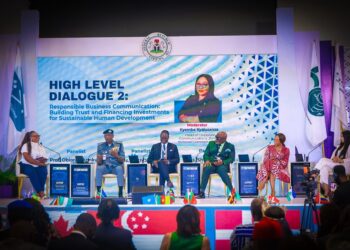
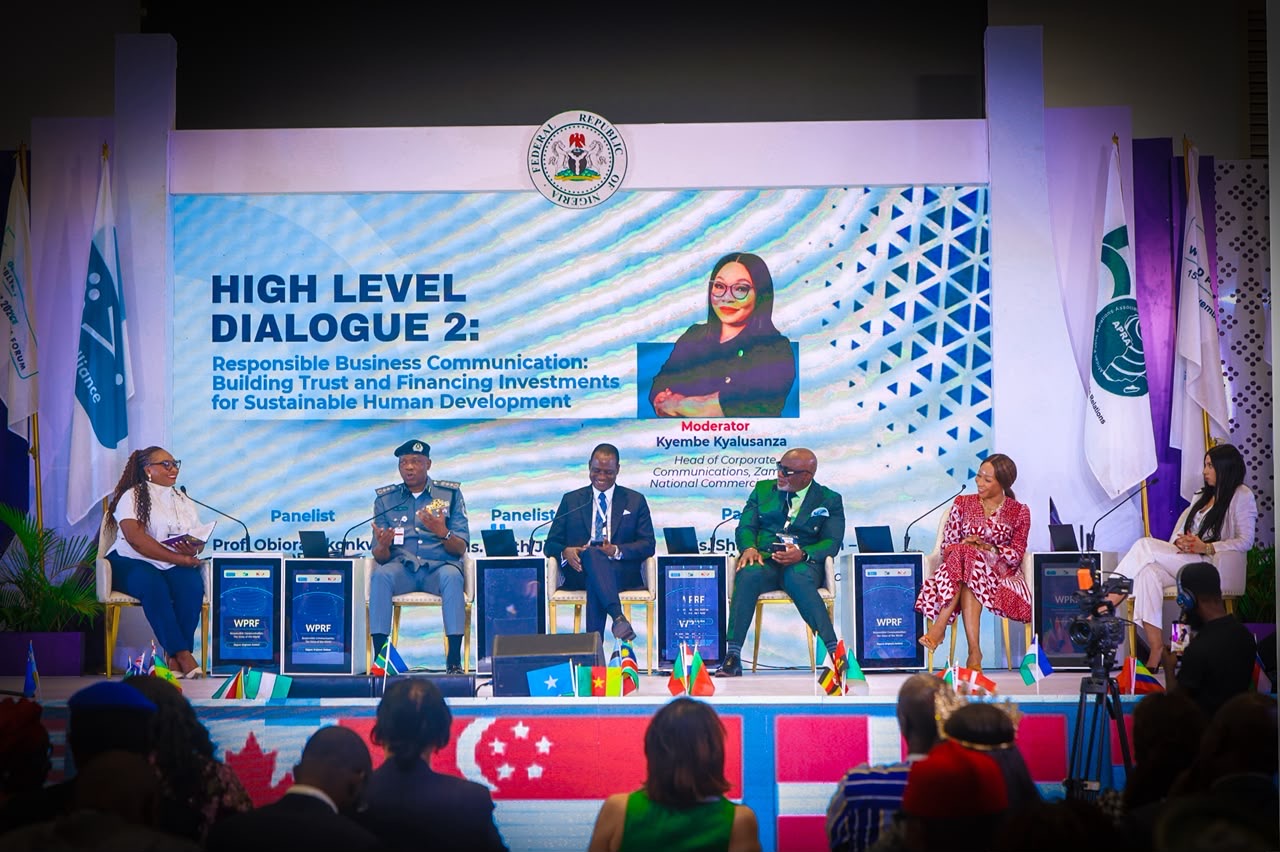
Adeniyi made this known on November 17, 2026, at the World Public Relations Forum (WPRF) in Abuja, where he shared five key lessons drawn from the Nigeria Customs Service’s reform experience, urging public relations professionals to play a more active role in shaping institutional policies and strengthening public confidence.
He said organisations must communicate proposed changes before implementation, be transparent even when the information is uncomfortable, verify facts before making public statements, ensure that promises are backed by measurable results, and consistently listen to stakeholders.
The Customs boss explained that public perception of an institution was shaped not merely by official statements but also by everyday interactions between its personnel and members of the public. He noted that poor service delivery, unanswered complaints and unprofessional conduct by officers could damage an organisation’s reputation regardless of its communication efforts.
Citing the introduction of the B’Odogwu platform, which replaced the Nigerian Integrated Customs Information System (NICIS) II, Adeniyi said early engagement with importers, customs agents, terminal operators and officers, alongside the deployment of helpdesks and phased implementation, helped facilitate acceptance of the new system.
He added that the platform had received recognition from the African Continental Free Trade Area (AfCFTA) Secretariat as a model for other countries on the continent.
On transparency, he referenced the Nigeria Customs Service’s Time Release Study, which showed that cargo spent approximately five days at the ports, with more than 90 per cent of the period accounted for by idle time.
According to him, publishing the findings provided an opportunity to identify operational challenges and demonstrate that delays in cargo clearance involved several stakeholders rather than the Customs Service alone.
Adeniyi also underscored the importance of information verification, particularly in communicating sensitive enforcement operations. He cited the seizure of 844 rifles at Onne in June 2024, as well as the interception of 399 rifles from a Mitsubishi Delica vehicle and another 389 rifles aboard MV Vega, as instances where accuracy and inter-agency coordination were essential.
Highlighting the importance of delivering on institutional commitments, the CGC pointed to the Authorised Economic Operator (AEO) programme, disclosing that 51 companies had attained the certification, with cargo clearance time reduced from 168 hours to 41 hours. He added that more than 200 other companies had benefited from the initiative.
He maintained that such measurable outcomes were essential to establishing credibility, explaining that public institutions must demonstrate tangible improvements rather than rely solely on publicity and official assurances.
Emphasising the need for communication professionals to be involved in policy formulation, Adeniyi said public relations practitioners should have a seat at the decision-making table to ensure that institutional policies are properly understood and effectively communicated from the outset.
He stressed that communication could not be used to conceal institutional shortcomings, noting that public trust was ultimately determined by the relationship between what an organisation says, what it delivers and the experiences of the people it serves.
The Customs chief urged public relations practitioners to promote openness, responsiveness and consistent stakeholder engagement, maintaining that sustainable reforms require institutions to communicate their objectives clearly, listen to public concerns and demonstrate results that justify the confidence placed in them.