

By Nkechi Eze
Nigeria and Russia have signed an agreement to strengthen customs cooperation, facilitate legitimate trade, improve intelligence sharing and enhance efforts to combat cross-border economic crimes.
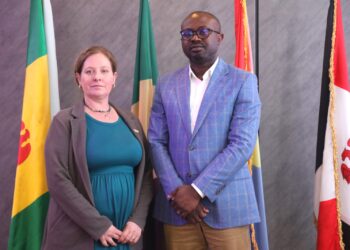
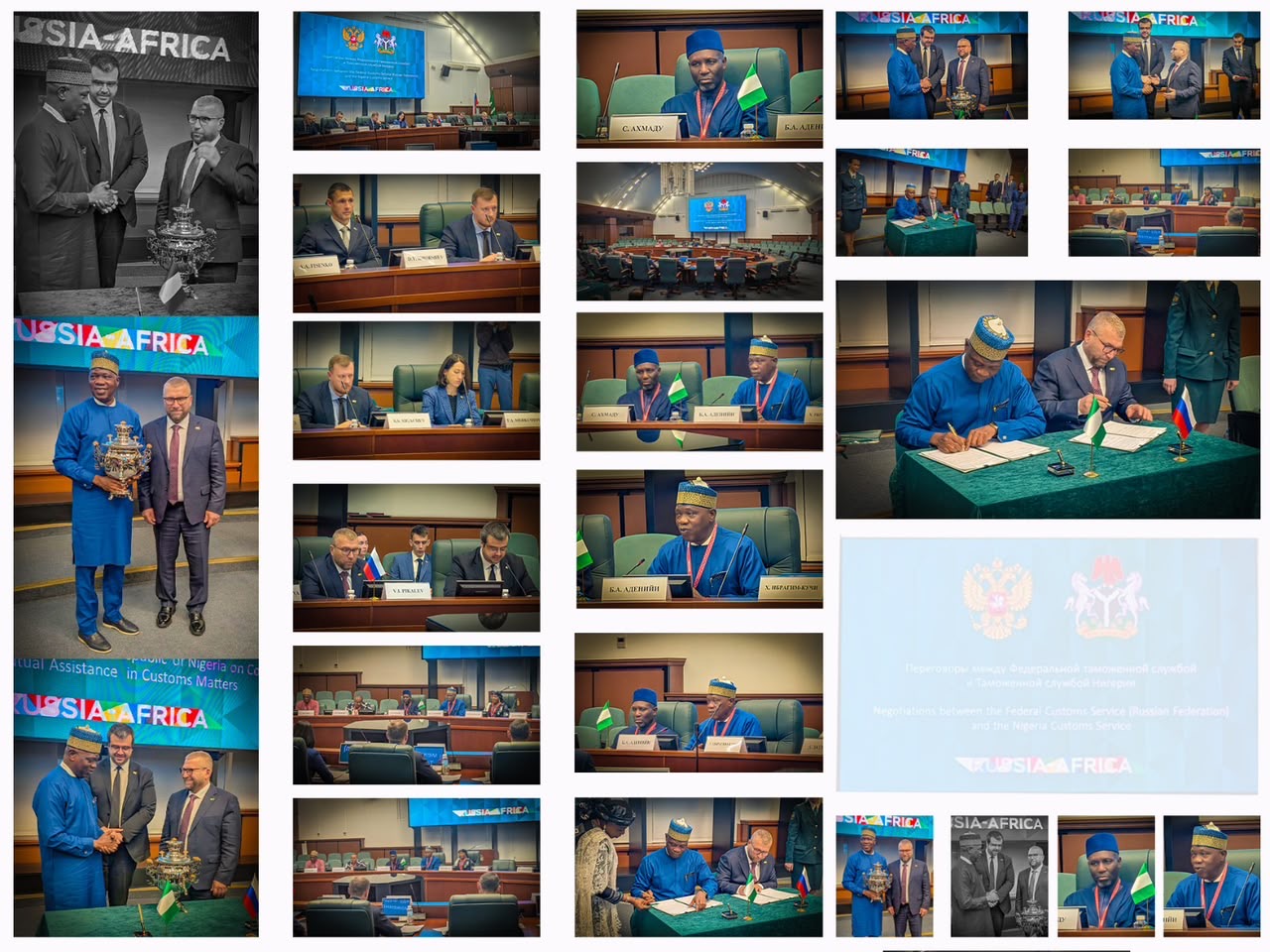
The Agreement on Cooperation and Mutual Assistance in Customs Matters (CMAA) was signed in Moscow on October 28, 2026, by the Nigeria Customs Service (NCS) and the Federal Customs Service of the Russian Federation.
According to an official statement issued by the Nigeria Customs Service, the Comptroller-General of Customs, Adewale Adeniyi, who led the Nigerian delegation, described the agreement as a strategic instrument for safeguarding economic integrity, securing supply chains and strengthening trade governance.
Adeniyi said the agreement followed months of technical consultations, legal reviews and constructive engagements between both administrations, reflecting their shared commitment to modernising customs operations and addressing emerging challenges in international trade.
The Customs boss noted that the Service had also intensified the adoption of digital systems, with declarations, payments and supporting documentation increasingly processed electronically to improve operational efficiency and facilitate legitimate trade.
He stressed that revenue generation and trade facilitation were complementary objectives, adding that the NCS approach aligned with the World Customs Organisation’s SAFE Framework of Standards.
On the implementation of the agreement, Adeniyi identified the exchange of experiences between the two countries’ Authorised Economic Operator (AEO) programmes as a major area of cooperation.
He explained that structured exchanges would enable both administrations to understand their respective frameworks, operational procedures and implementation experiences, with the longer-term objective of achieving mutual recognition of their AEO programmes.
According to him, such an arrangement would strengthen confidence in compliant traders and potentially improve cargo movement between Nigeria and Russia.
During bilateral discussions with the Head of the Federal Customs Service of Russia, Valery Pikalyov, Adeniyi also proposed enhanced cooperation in customs statistics and trade data exchange to support comparative analysis, identify trade patterns and strengthen evidence-based decision-making.
Responding, Pikalyov said the Russian Customs Service was statutorily empowered to collect, process and provide customs statistics derived from declarations.
He explained that Russia already exchanged customs statistics with foreign customs administrations under existing agreements, enabling the parties to analyse trade flows, identify discrepancies and monitor developments in bilateral commerce.
Pikalyov indicated Russia’s readiness to explore a dedicated arrangement with the NCS for the exchange of statistical data, subject to the relevant procedures and institutional framework.
The Russian Customs chief further noted that Nigeria had become one of the first sub-Saharan African countries, alongside Ethiopia and Namibia, to conclude a customs cooperation agreement with the Russian administration.
The engagement took place within the framework of the Third Russia-Africa Summit, providing an opportunity to deepen customs collaboration as part of the broader bilateral relationship.
The CMAA establishes four principal areas of cooperation, including streamlined customs procedures for legitimate trade, secure information exchange to prevent and investigate customs offences, financial integrity measures against illicit financial flows and tax evasion, as well as enhanced border security against counterfeit goods, narcotic drugs, psychotropic substances and other prohibited or hazardous materials.
It also provides a legal framework for direct operational engagement, mutual assistance and the exchange of expertise in customs administration and personnel training.