


By Nkechi Eze
The Civil Society Legislative Advocacy Centre (CISLAC) and Amnesty International have called for mandatory Sexual and Gender-Based Violence (SGBV) risk assessments before, during and after military and other security operations in Nigeria to prevent abuses and strengthen the protection of vulnerable populations.
The organisations also urged security and defence institutions to establish safer, confidential and survivor-centred reporting mechanisms, strengthen accountability structures and integrate gender considerations into operational planning, deployment and decision-making.
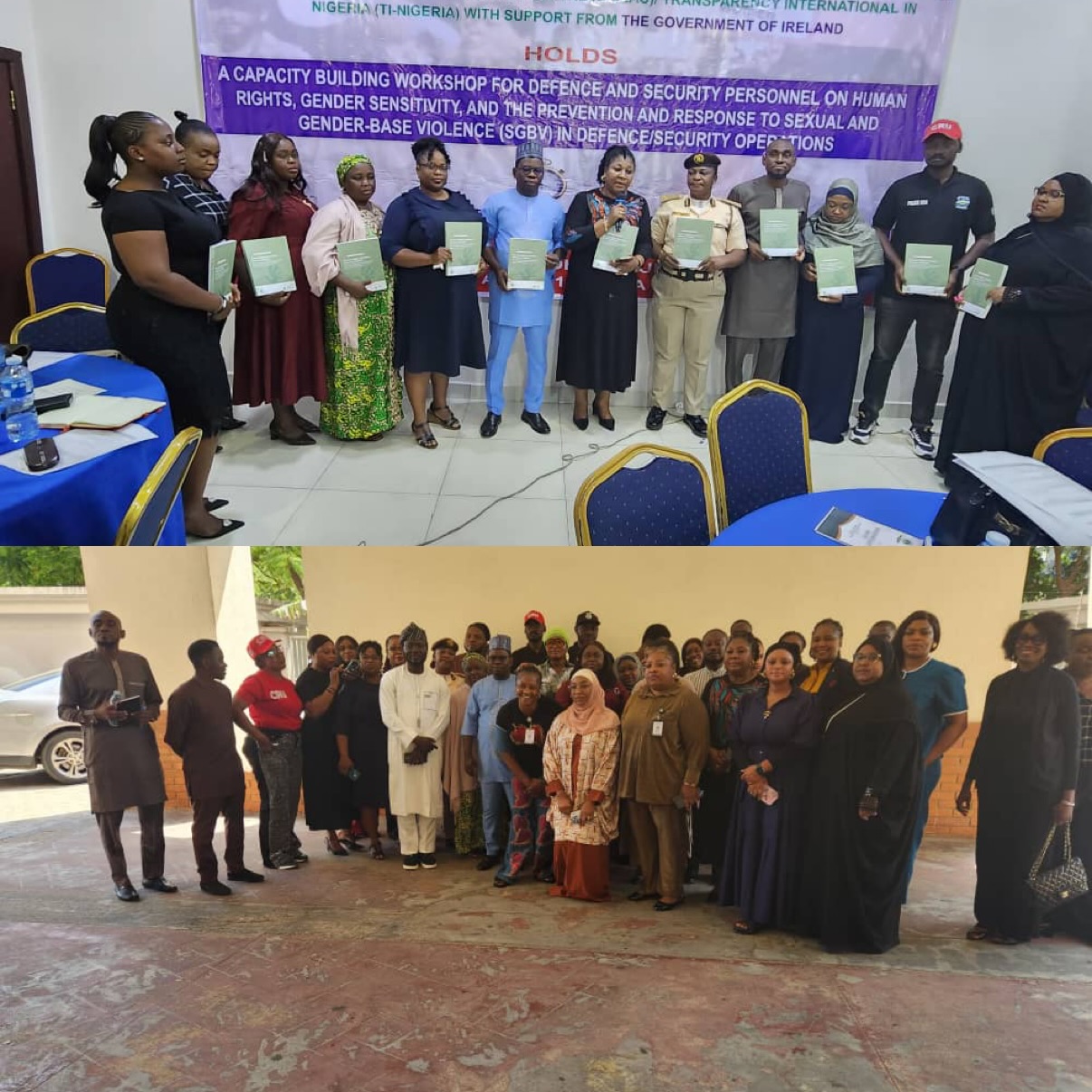
The recommendations were contained in a communiqué issued at the end of a National Multi-Stakeholder Policy Dialogue on Strengthening Human Rights-Centred and Gender-Responsive Approaches to SGBV in Defence and Security Operations in Nigeria, organised by CISLAC, the Transparency International chapter in Nigeria, with support from the Government of Ireland.
The dialogue, held in Abuja on October 6, 2026, brought together representatives of defence and security institutions, government agencies, oversight bodies, civil society organisations, diplomatic missions, development partners, human rights practitioners, survivors and the media.
According to the communiqué signed by CISLAC Executive Director, Comrade Auwal Ibrahim Musa (Rafsanjani); Amnesty International Nigeria Human Rights Researcher, Mr. Maurice Chukwu; and former Nigerian High Commissioner to India, Ambassador Ahmed Sule, participants stressed the need to move beyond institutional policies to practical measures that guarantee the prevention, reporting, investigation and accountability of SGBV cases.
The participants observed that sexual and gender-based violence affects different categories of people, including security personnel, civilians interacting with security agencies, persons in detention, conflict-affected communities and individuals seeking protection or assistance from government institutions.
They identified fear of retaliation, stigma, institutional barriers, lack of confidentiality, power imbalances and distrust of complaint mechanisms as major factors discouraging victims and witnesses from reporting incidents of abuse.
The communiqué stressed that the existence of complaint channels alone was insufficient unless personnel, survivors, witnesses and members of the public could access them safely and trust that their complaints would receive impartial attention.
On operational reforms, the participants recommended that SGBV risk indicators should be incorporated into threat assessments, mission planning, deployment plans and operational orders, particularly in conflict-affected and fragile communities.
They also called for the identification of SGBV hotspots and vulnerable groups within operational areas, with findings integrated into deployment and protection strategies.
The dialogue further recommended that commanders and operational leaders should be held responsible for monitoring SGBV risks and implementing appropriate prevention and mitigation measures throughout military and security operations.
On institutional accountability, the participants urged defence and security agencies to establish clear procedures for receiving, documenting, investigating and resolving SGBV complaints, while ensuring that cases are handled professionally, impartially and without unnecessary delays.
They also called for stronger safeguards to protect complainants, survivors and witnesses from intimidation, retaliation and further harm, particularly where allegations involve officers or personnel in positions of authority.
The communiqué further urged security institutions to strengthen access to medical, psychosocial, legal and other support services for survivors through effective referral mechanisms.
On gender inclusion, the participants called for gender considerations to be integrated into recruitment, deployment, leadership, training, community engagement, operational planning and institutional decision-making.
They also advocated increased participation and leadership of women in defence and security institutions, as well as in relevant accountability structures.
To improve oversight, the stakeholders urged internal accountability units and civilian oversight institutions to strengthen monitoring of SGBV complaints, investigations, disciplinary actions and referrals.
They recommended regular gender-responsive reporting by security institutions, the development of measurable accountability indicators and the collection of sex-disaggregated data to identify institutional weaknesses and guide policy reforms.
The participants further called for sustained collaboration among defence and security agencies, civil society organisations, human rights institutions, development partners and the media to strengthen transparency, institutional learning and accountability.
They maintained that a human rights-centred approach to security operations does not undermine operational effectiveness, but strengthens public confidence and institutional legitimacy by ensuring that security institutions protect human dignity and fundamental rights.
The dialogue was organised under CISLAC’s project, Promoting Gender-Responsive Standards and Safe SGBV Reporting in Nigerian Security and Defence Institutions, with support from the Government of Ireland.