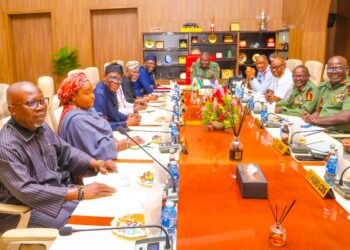


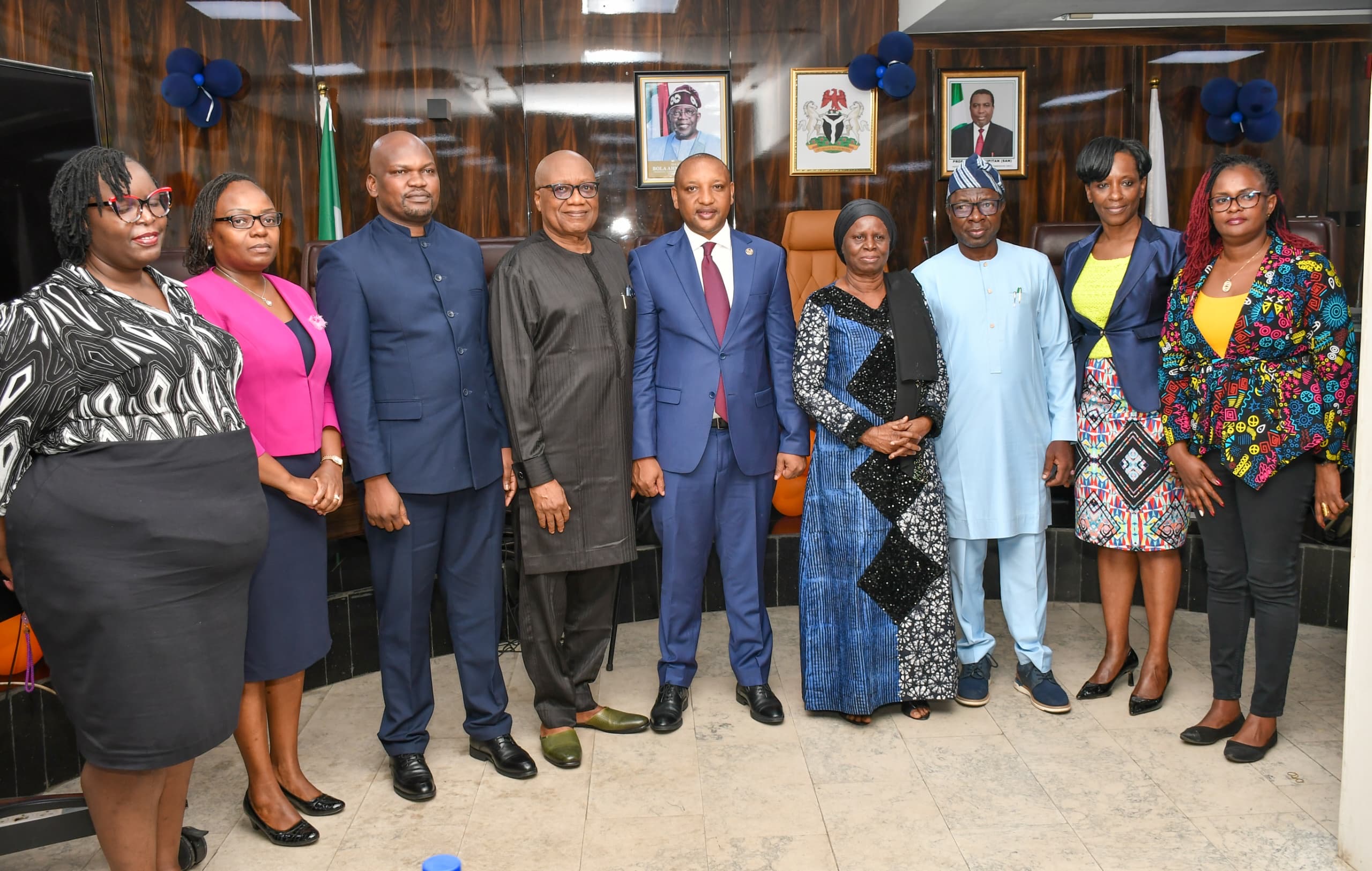
The Independent National Electoral Commission (INEC) has briefed a visiting delegation from Kenya’s Independent Electoral and Boundaries Commission (IEBC) on its preparations for the 2027 general elections, disclosing that nine activities on its electoral timetable have been completed.
The Commission also said the production of Permanent Voter Cards (PVCs) had been concluded, while distribution of non-sensitive election materials, personnel training and deployment of election technology were progressing ahead of the polls.
INEC National Commissioner, Prof. Rhoda Gumus, disclosed this on Thursday, November 12, 2026, when she received the Kenyan delegation at the Commission’s headquarters in Abuja.
Gumus, who represented INEC Chairman, Prof. Joash Amupitan, SAN, said the Commission had concluded a nationwide assessment of its preparedness following the Chairman’s tour of the six geopolitical zones to evaluate progress, identify challenges and agree on solutions.
She explained that the tour, which ended last week, provided the Commission with an opportunity to assess preparations across the country and determine areas requiring further attention.
“We can see from our tour that we are really going towards the election proper,” she said.
On logistics, the National Commissioner disclosed that non-sensitive election materials were almost ready, with some consignments already dispatched to different geopolitical zones.
She added that PVC production had been completed, while most states had received the first and second batches of cards for distribution to registered voters.
Gumus urged eligible voters to collect their PVCs before election day, stressing that possession of the card remained essential for participating in the voting exercise.
She also disclosed that INEC was strengthening its operational capacity through ongoing training programmes for personnel at the national and state levels, alongside the procurement and deployment of Bimodal Voter Accreditation System (BVAS) devices.
Addressing the issue of diaspora voting, she explained that the Commission could not introduce the arrangement under the existing electoral framework without an amendment to the relevant provisions of the law.
According to her, INEC had made arrangements for directors of its various departments to engage the Kenyan delegation through presentations and interactive sessions on the Commission’s operations.
“We are open to questions,” she told the visitors, assuring them that the directors would provide the necessary information on their respective areas of responsibility.
Earlier, the leader of the delegation and Kenyan High Commissioner to Nigeria, Mr Isaac Keen Parashina, commended INEC for granting the team an audience despite the Commission’s busy schedule ahead of the 2027 elections.
Parashina described the visit as an opportunity to deepen electoral cooperation between both countries, noting that Kenya would also conduct its general elections in August 2027.
He said the delegation was particularly interested in learning from Nigeria’s electoral experience as Kenya explores ways to expand voting opportunities for its citizens residing outside the country.
“The success of Nigeria remains a great success to Kenya and indeed to the continent,” he said, describing Nigeria as Africa’s biggest democracy.
The High Commissioner disclosed that Kenyans in about 12 countries participated in the last general election, while the country was working towards extending diaspora voting to approximately 26 countries.
He explained that the expansion was driven by constitutional provisions and court rulings requiring the progressive implementation of voting rights for citizens living abroad.
Parashina further said the delegation was examining ways to accommodate special interest groups more effectively within the electoral process.