

By Nkechi Eze
The Independent Corrupt Practices and Other Related Offences Commission (ICPC) has recovered over ₦5.3 billion following a review of local government accounts in seven states and the Federal Capital Territory, as part of efforts to strengthen financial accountability at the grassroots.
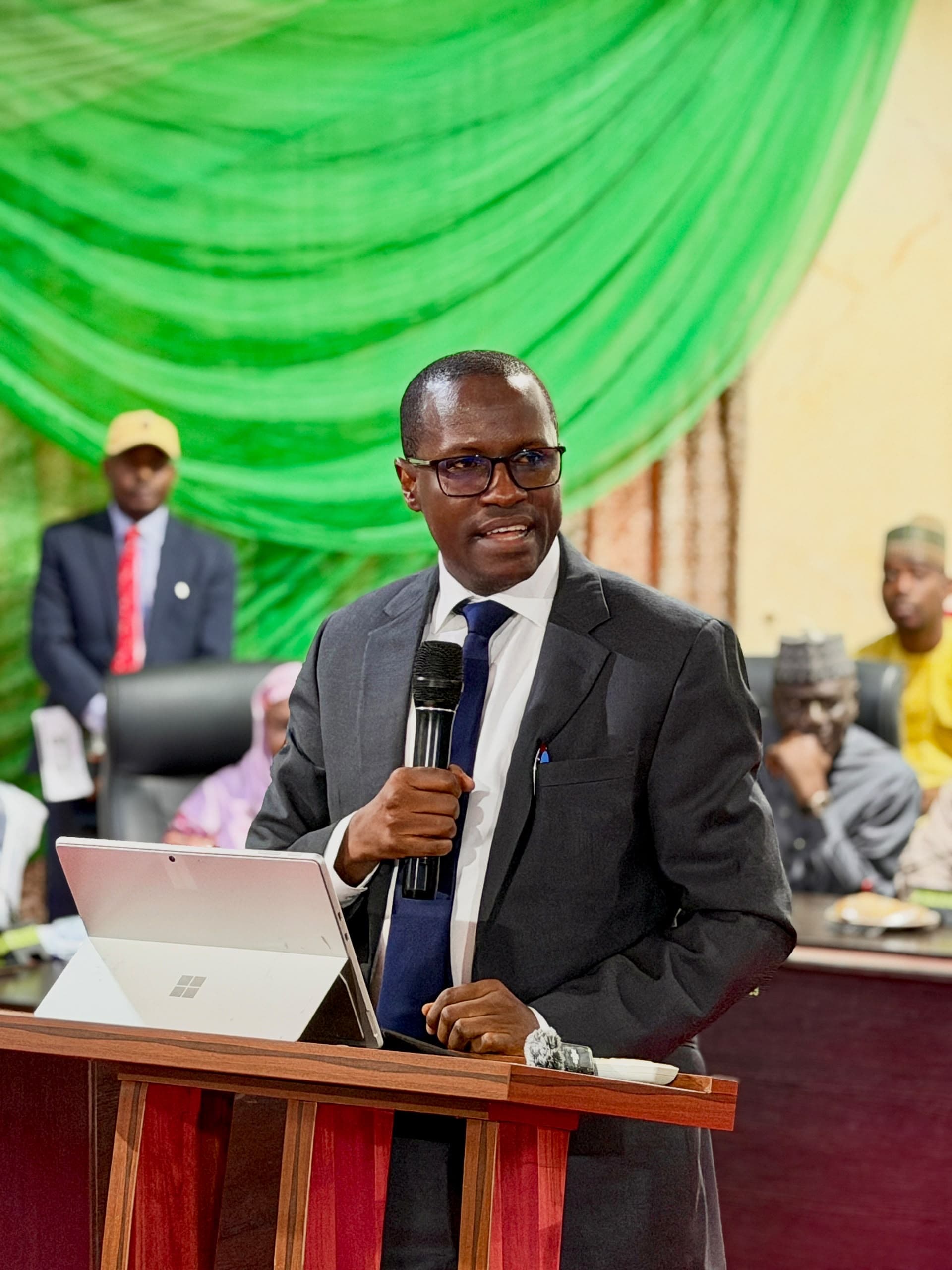
According to an official statement signed by J. Okor Odey, Head of Media and Public Communications, ICPC, the Commission disclosed the recoveries on Thursday in Lafia, Nasarawa State, during the flag-off of the ICPC-National Information Technology Development Agency (NITDA) Local Government Websites Pilot.
The ICPC Chairman, Dr. Musa Adamu Aliyu, SAN, said the recoveries underscored the need for stronger financial oversight of local government councils, particularly following the Supreme Court’s July 2024 judgment affirming their financial autonomy and direct access to statutory allocations.
He stressed that financial autonomy must be accompanied by transparency and accountability in the management of public funds.
“Autonomy brings responsibility. Funds that now flow directly to the councils must be spent openly and for the benefit of the people,” Aliyu said.
He explained that the Commission was complementing its recovery efforts with preventive measures through the introduction of dedicated websites for local government councils to ensure public access to their financial and administrative records.
The initiative, which commenced with a pilot in Nasarawa State, is expected to be extended to all 774 local government areas across the country.
Aliyu said the websites, developed under the Commission’s Accountability and Corruption Prevention Programme for Local Governments (ACPP-LG), would require councils to disclose information on their budgets, statutory allocations, internally generated revenue, expenditure, audit reports, debts, procurement activities and human resources.
The platforms would also provide channels for citizen engagement, whistleblowing and reporting corruption-related concerns.
According to him, regular publication of such records would enable citizens to monitor public spending, equip the media with information to demand accountability and assist oversight institutions in identifying financial irregularities before they result in losses.
“When these records are published regularly, citizens can follow the money, the media can ask informed questions and oversight institutions can detect risks early, before they become losses,” he said.
The ICPC chairman said Nasarawa was selected for the pilot because of Governor Abdullahi Sule’s commitment to good governance and the state’s support for the Commission’s Anti-Corruption Academy of Nigeria, located in Keffi.
He also acknowledged NITDA’s commitment to register domain names, develop and host the websites for at least one year for all 774 local government areas.
While ICPC would provide the accountability standards and disclosure framework, NITDA would supply the technological infrastructure required to establish and maintain the platforms.
Aliyu, however, urged council chairmen to take ownership of the websites by appointing dedicated officers to ensure that information published was accurate and regularly updated.
“A website is only as good as the information on it; one that is launched and then abandoned will only disappoint the people,” he cautioned.
He assured the councils that the Commission’s involvement was aimed at promoting corruption prevention and accountability rather than witch-hunting.
“Transparency is not an event. It is a habit that will lead to accountability,” he added.
In his goodwill message, the Director-General of NITDA, Kashifu Inuwa Abdullahi, CCIE, said the initiative would make government information more accessible to citizens, particularly those in rural communities who often travel long distances to obtain information or lodge complaints.
“We are in a digital age. Our people are online; therefore, government needs to be online to serve them better,” he said.
Inuwa identified improved governance, enhanced citizen engagement and expanded economic opportunities as the three major objectives of the initiative.
He said NITDA would establish digital standards, develop website templates and provide training, while encouraging local governments to engage indigenous technology professionals to support the platforms.
“Our ambition is not 774 websites. It is 774 digitally empowered local governments delivering better experience to millions of Nigerians,” he said.
Flagging off the pilot, Nasarawa State Governor, Engr. Abdullahi Sule, CON, designated the Nasarawa State Information Technology and Digital Economy Agency (NASITDEA) as the state’s technical lead for the project.
The governor directed local government councils to ensure that information uploaded to their websites was accurate, verified and regularly updated.
He also called on civil society organisations, the media and community institutions to utilise the platforms to monitor government activities and promote transparency.
Sule further urged ICPC and NITDA to extend the financial disclosure initiative to state governments, offering Nasarawa as the first state to participate.
He said publishing statutory allocations as they were received would enable citizens to track funds meant for local governments and identify where any delays in their release occurred.
The Emir of Lafia, HRH Justice Sidi Bage Muhammad I (Rtd.), commended ICPC, NITDA and the Nasarawa State Government for the initiative.
Similarly, the Speaker of the Nasarawa State House of Assembly, Rt. Hon. Dr. Danladi Jatau, pledged the legislature’s support, noting that the Constitution empowers the Assembly to exercise oversight over local government finances.
The flag-off was followed by a technical session on the standardised website template designed to guide the implementation of the initiative across the 774 local government areas.