


By Nkechi Eze
The Crime Correspondents Association of Nigeria (CCAN) has called for the adoption of conflict-sensitive journalism and stronger digital fact-checking mechanisms to combat fake news and disinformation ahead of the 2027 general elections.
The association also urged security agencies to strengthen collaboration with crime correspondents through specialised training, access to credible information and inclusion in pre-election security planning to promote responsible reporting and national stability.
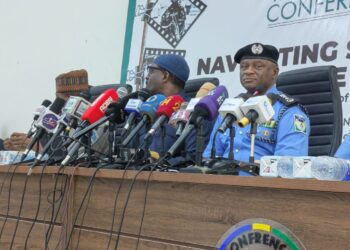
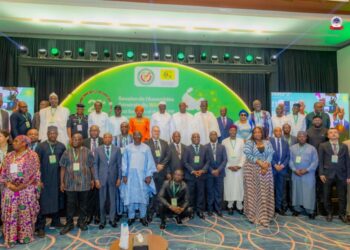
CCAN Chairman, Festus Ejiroghene Fifen, made the call at the association’s 3rd Annual Conference and Awards held at the Police Resource Centre, Jabi, Abuja, with the theme, “Navigating Security Challenges in the 2027 Election: The Role of the Media in Combating Fake News.”
Fifen described the conference as an urgent national intervention, noting that the period preceding general elections was often characterised by heightened political tension, complex security challenges and the circulation of misinformation and disinformation capable of provoking unrest.
He warned that fake news, manipulated media and unverified rumours could trigger communal clashes, disrupt security operations and erode public confidence in electoral institutions.
According to him, crime correspondents have a significant responsibility in shaping public understanding of security developments through accurate, balanced and non-sensational reporting.
“For crime correspondents, news is said to be the first draft of history. It is also a first line of defence for public safety,” he said.
The CCAN chairman maintained that responsible security reporting would help calm public anxiety, promote accountability and deny criminals and insurgents the propaganda advantages they seek through misinformation.
He, however, expressed concern over the inadequate welfare and professional support available to journalists covering security operations and conflict zones, many of whom work without sufficient protective equipment, specialised training, logistics and life insurance.
Fifen criticised the disproportionate attention given to event branding, souvenirs and catering at security engagements, while journalists expected to communicate the activities of security institutions to the public often receive inadequate professional support.
“Journalism cannot feed on souvenirs, and capacity cannot be built on a plate of rice and periodic handouts,” he stated.
He called for increased investment in specialised training in fact-checking, digital forensics and crisis reporting, alongside the provision of safety kits, protective equipment and logistics for journalists covering conflict zones.
He also advocated the establishment of modern press centres at key security commands, equipped with reliable internet facilities and real-time verification tools to enable journalists to authenticate information before publication.
As part of measures to strengthen media responsibility ahead of the elections, Fifen recommended institutionalised conflict-sensitive journalism, urging reporters to avoid sensational headlines and narratives capable of inflaming ethnic or political tensions.
He further called on security agencies to involve crime correspondents in scenario-building exercises and pre-election security simulations to ensure effective coordination of communication strategies.
The Inspector-General of Police, IGP Olatunji Rilwan Disu, who addressed the conference, also emphasised the importance of accurate reporting and responsible media engagement in strengthening national security.
Disu urged journalists to verify information before publication and exercise caution in handling sensitive security issues, particularly as the country approaches the 2027 general elections.
He stressed the importance of sustained collaboration between the Nigeria Police Force and the media, recognising the role of crime correspondents in informing the public about security developments and promoting confidence in law enforcement institutions.
In a goodwill message, the Executive Secretary of the Nigeria Police Trust Fund, Alhaji Mohammed Sheidu, represented at the event by a senior official of the Fund, described the conference theme as timely, given the growing threats posed by fake news and disinformation.
He warned that false reports could undermine public confidence in security institutions and threaten national stability, urging journalists to remain professional and committed to verification and constructive engagement.
Sheidu reaffirmed the Fund’s commitment to strengthening the Nigeria Police Force through improved training, equipment, technology, institutional capacity and personnel welfare.
The conference brought together security officials, media practitioners, industry leaders and other stakeholders to deliberate on the relationship between media practice, election security and national stability, while recognising individuals and institutions for their contributions to security and professional journalism.