


By Nkechi Eze
The Chairman of the Crime Correspondents Association of Nigeria (CCAN), Festus Ejiroghene Fifen, has called on security agencies to prioritise the welfare, safety and professional development of crime reporters, declaring that journalism cannot be sustained through event souvenirs and occasional handouts.
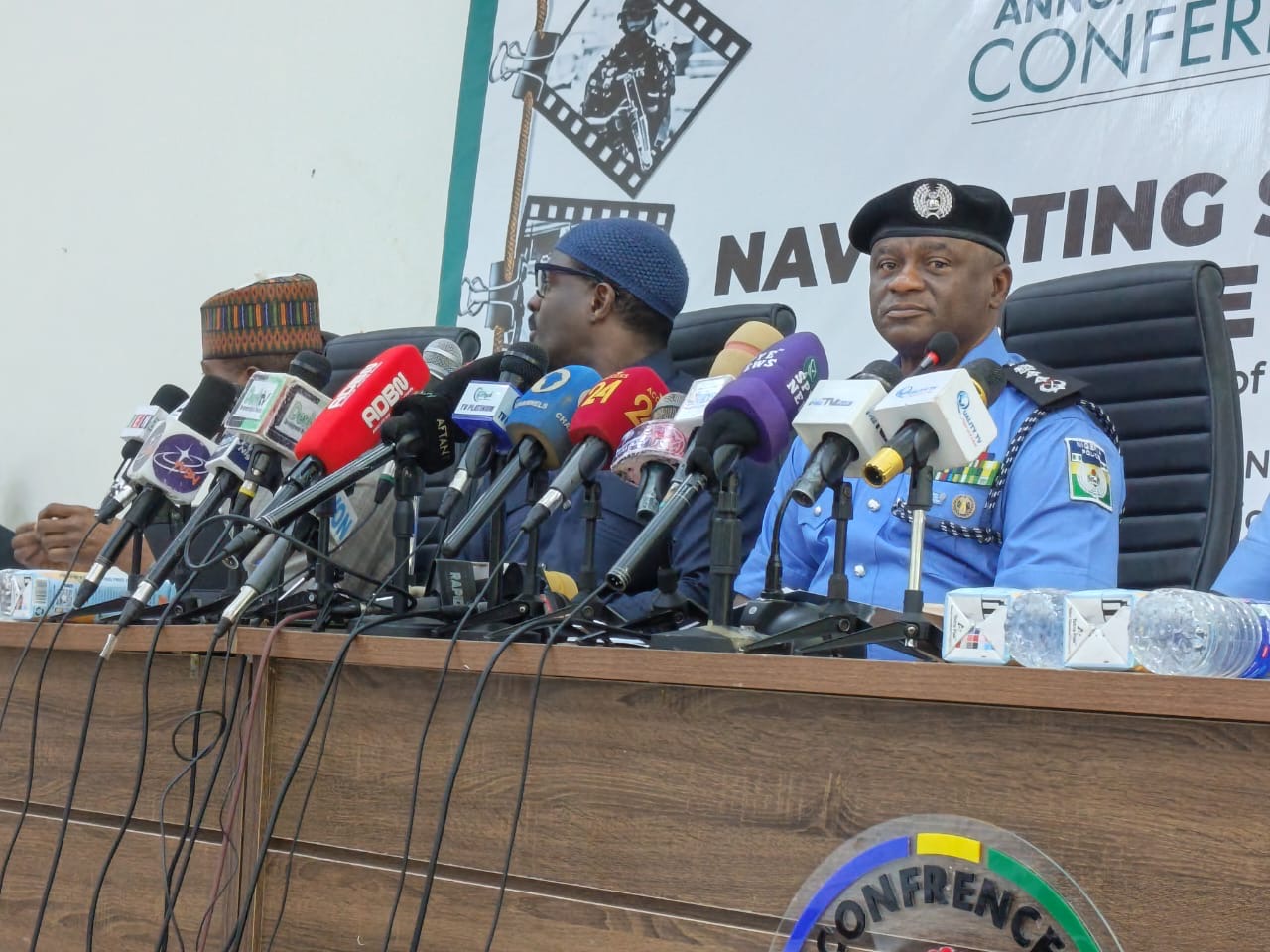
Fifen made the call at the 3rd Annual Conference and Awards of CCAN in Abuja, where he decried the practice of committing huge resources to lavish buffets, decorations and souvenirs at security events while neglecting the journalists responsible for communicating the activities of security institutions to the public.
“Journalism cannot feed on souvenirs, and capacity cannot be built on a plate of rice and periodic handouts,” he said.
He expressed concern that crime correspondents routinely risk their lives while covering security operations and working in high-risk environments, often without adequate welfare packages, protective equipment, specialised training, logistics or life insurance.
According to him, it was contradictory for security agencies to invest heavily in organising events and subsequently expect extensive media coverage without making corresponding investments in the welfare and professional capacity of the journalists.
Fifen stressed that if security institutions were genuinely committed to combating fake news and strengthening national security, they must redirect some of their resources towards equipping journalists with the tools and skills required for responsible and effective reporting.
He specifically called for specialised training in fact-checking, digital forensics and crisis reporting, provision of safety kits and protective gear for reporters covering conflict zones, as well as improved logistics to support their field assignments.
The CCAN chairman also advocated the establishment of modern press centres with reliable internet connectivity and real-time verification tools at key security commands, similar to facilities available in other developed countries.
He maintained that investing in journalists’ welfare and professional development would deliver greater benefits to national security than spending excessively on event branding and catering.
Speaking on the theme, “Navigating Security Challenges in the 2027 Election: The Role of the Media in Combating Fake News,” Fifen described the conference as an urgent national intervention aimed at strengthening collaboration between the media and security agencies ahead of the 2027 general elections.
He warned that fake news, manipulated media and unverified rumours had become serious threats capable of provoking communal clashes, disrupting security operations and eroding public confidence in electoral institutions.
He described crime correspondents as an important component of the country’s security architecture, noting that their reports shape public perception of security operations and help promote accountability in the conduct of security agencies.
“News is said to be the first draft of history. For crime correspondents, it is also a first line of defence for public safety,” he said.
Fifen explained that through accurate and non-sensational reporting, crime correspondents help translate complex security operations into public awareness, calm anxiety and deny criminals and insurgents the propaganda victories they seek.
He further noted that peace and security remained essential to economic growth, foreign investment and democratic governance, adding that security reports often influence investors’ perception of the business environment.
To strengthen the media’s contribution to electoral security, he recommended the institutionalisation of conflict-sensitive journalism, urging reporters to avoid sensational headlines capable of inflaming ethnic and political tensions ahead of the polls.
He also called on security agencies to involve crime correspondents in scenario-building exercises and pre-election security simulations to ensure that communication strategies were properly aligned.
The CCAN chairman commended the Inspector-General of Police, IGP Olatunji Rilwan Disu, for his leadership and support for the association, noting that the Nigeria Police Force had maintained an open-door relationship with the media and recognised journalists as indispensable partners.
He urged journalists to reject clickbait, resist political inducements and verify information before publication as the country approaches the 2027 general elections.
Fifen also appealed to government and security institutions not to regard the media as adversaries to be managed, but as strategic partners in protecting the country.
“Value the welfare of the reporter above the fanfare of the event,” he urged.