


By Nkechi Eze
The Secretary to the Government of the Federation (SGF), Senator George Akume, has charged the National Salaries, Incomes and Wages Commission (NSIWC) to strengthen wage governance, embrace digital transformation and promote industrial harmony amid ongoing economic reforms.
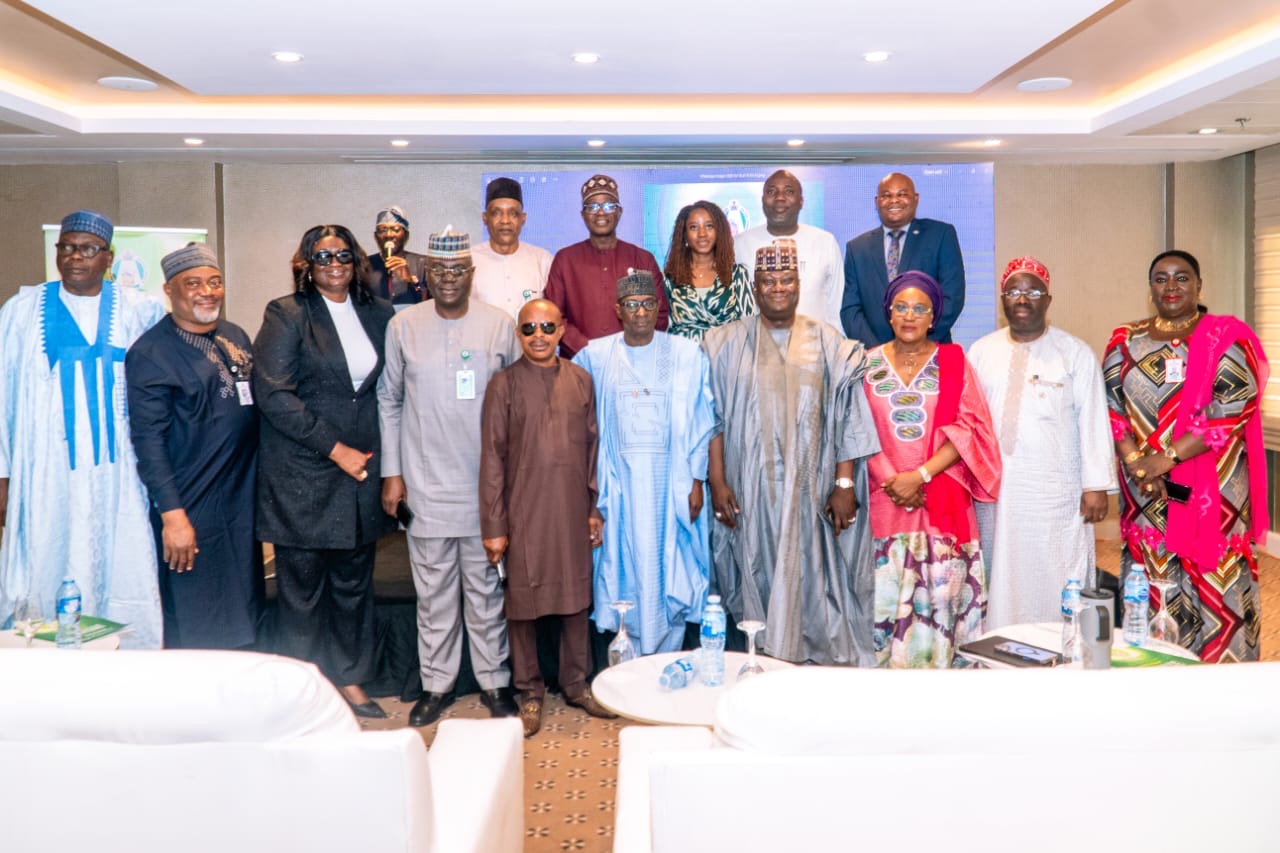
Akume gave the charge on Monday, October 19, 2026, through the Permanent Secretary, General Services Office, Dr. Ibrahim Abubakar Kana, at the opening of a three-day Board and Management Retreat of the Commission in Abuja, themed “Vision, Strategy and Institutional Renewal.”
According to an official statement issued by the Head of the Commission’s Information and Public Relations Department, Chris Ugwuegbulam, Akume said rising public expectations and prevailing economic reforms had made a fair, sustainable and responsive wage system increasingly important.
He noted that the Commission occupied a critical position in Nigeria’s governance architecture through its responsibilities for policy advice, wage analysis, coordination and engagement with relevant stakeholders.
The SGF urged the Commission to develop evidence-based recommendations that balance workers’ legitimate remuneration expectations with government’s fiscal realities and broader national economic development priorities.
He also called for stronger research and data management, improved administrative processes, investment in staff development and the adoption of modern technology to enhance transparency and service delivery.
Akume stressed that the retreat should produce practical strategies, clear priorities, assigned responsibilities and measurable performance indicators rather than end with discussions alone.
He further urged the Commission to sustain constructive engagement with ministries, departments and agencies, organised labour, employers and other stakeholders to build trust, prevent avoidable industrial disputes and promote national development.
“As we work collectively to advance the Renewed Hope Agenda of His Excellency, President Bola Ahmed Tinubu, every public institution must demonstrate that it can translate policy intentions into tangible improvements in governance and the lives of Nigerians,” he said.
Also speaking, the Head of the Civil Service of the Federation, Olumuyiwa Enitan Abel, described the relationship between his office and the Commission as a partnership in progress, noting that their complementary mandates were essential to the welfare and development of the Federal Civil Service.
Abel said salary, wage and income issues required continuous dialogue, mutual understanding and constructive engagement, even where differences of opinion arose.
He disclosed that ongoing reforms were aimed at repositioning the civil service into an Efficient, Productive, Incorruptible and Citizen-centred (EPIC) institution.
He added that a properly equipped and digitally compliant workforce would support the Federal Government’s ambition of building a one-trillion-dollar economy by 2030.
In his remarks, the Chairman and Chief Executive Officer of the NSIWC, Major General Junaid Sani Bindawa (retd.), called for stronger collaboration between the Commission’s Board and Management to improve operational efficiency and strengthen Nigeria’s wage governance framework.
Bindawa said institutional renewal required a shared sense of purpose, with the Board providing strategic oversight while Management and staff ensured the effective implementation of approved policies and decisions.
He identified professionalism, integrity, sound research, stakeholder engagement and measurable results as essential to building a more effective Commission.
In a goodwill message, the President of the Nigeria Labour Congress (NLC), Comrade Joe Ajaero, urged the Federal Government to urgently address the economic hardship confronting Nigerian workers.
Ajaero stressed that workers’ welfare must be prioritised to sustain productivity, protect livelihoods and promote economic stability, noting that employees contribute significantly to government revenue through taxation while rising living costs continue to erode their purchasing power.