By Nkechi Eze
The Independent Corrupt Practices and Other Related Offences Commission (ICPC) has called for greater emphasis on preventive strategies and institutional safeguards to tackle corruption before it translates into corrupt practices.
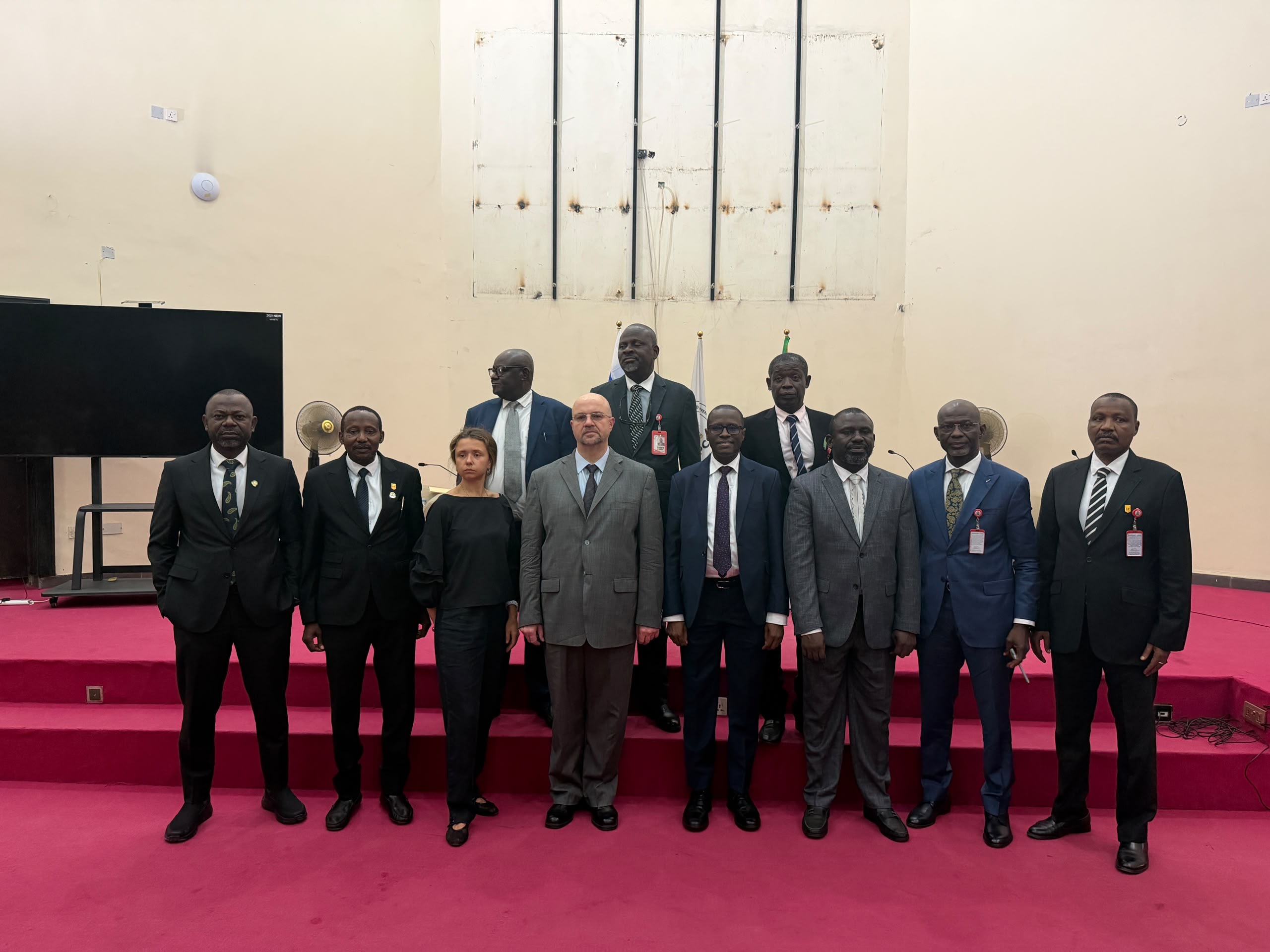
According to an official statement signed by J. Okor Odey, Head, Media and Public Communications, ICPC, the Chairman of the Commission, Dr. Musa Adamu Aliyu, SAN, made the call on Tuesday at the Fourth International Diplomatic Dialogue organised by the Anti-Corruption Academy of Nigeria (ACAN), the research and training arm of the ICPC, at the Commission’s headquarters in Abuja.
The dialogue, themed “Development of Anti-Corruption Strategies and Policies: The Russian National Experience,” featured the Minister Counsellor/Charge d’Affaires of the Embassy of the Russian Federation in Nigeria, Mr. Igor Ivannikov, who shared Russia’s experience in developing and implementing preventive, legal and enforcement measures against corruption.
Aliyu said corruption remained a major threat to development, stressing the need for anti-corruption institutions to continually explore practical approaches that strengthen institutions, promote transparency and accountability, and enhance public trust.
“As Nigeria continues to deepen its anti-corruption efforts, there is much value in learning from comparative experiences, understanding best practices, and identifying innovative approaches that can be adapted to our local realities,” he said.
The ICPC Chairman urged participants to translate the lessons from the dialogue into practical actions that would strengthen institutions and improve anti-corruption outcomes.
“The knowledge and experience shared today should not end within the walls of this auditorium. Rather, they should inspire practical actions that strengthen our institutions, enhance public trust, and contribute to national and continental development,” Aliyu said.
Speaking on the Russian experience, Ivannikov said an effective anti-corruption system must combine the suppression of offences already committed with measures designed to address the conditions that enable corruption.
He identified income and asset declarations by designated categories of public officials, expenditure monitoring and conflict-of-interest prevention as some of the preventive mechanisms deployed in Russia.
According to him, financial declarations enable authorities to compare the legitimate income of public officials with their actual financial and property holdings, thereby helping to identify possible discrepancies and corruption risks.
Ivannikov also highlighted the anti-corruption review of legislation as a preventive mechanism aimed at identifying provisions that could create opportunities for corrupt practices, including excessively broad official powers, unjustified discretion and unclear administrative procedures.
On public procurement, the Russian diplomat said digital platforms and risk-based monitoring had increasingly been deployed to improve transparency in procurement and contract administration.
He, however, stressed that digitalisation alone could not eliminate corruption without effective oversight, access to information and accountability for violations.
He further identified institutional measures such as codes of ethics, conflict-of-interest procedures, designated anti-corruption compliance officers and regular corruption-risk assessments as key elements of a preventive anti-corruption framework.
Ivannikov also outlined the enforcement component of Russia’s anti-corruption system, including investigation of corruption-related crimes, tracing and freezing of illicit assets, prosecution and determination of cases by the courts.
Earlier, the Provost of ACAN, Professor Sheriff Ghali Ibrahim, provided an overview of the evolution of Russia’s anti-corruption legal and institutional framework and the structures established to prevent, detect and address corrupt practices.
Ibrahim identified the Criminal Code of the Russian Federation, Code of Administrative Offences, Federal Law on Civil Service and Federal Law on Combating Corruption as some of the major contemporary legislation underpinning Russia’s anti-corruption framework.
He also highlighted the network of institutions involved in the country’s anti-corruption system, including the Presidential Council for Countering Corruption, Presidential Civil Service, Personnel and Anti-Corruption Directorate, Prosecutor General’s Office, Investigative Committee, Ministry of Justice, Federal Security Service, Ministry of Internal Affairs and Accounts Chamber.
The ACAN Provost particularly highlighted the role of the Prosecutor General’s Office, noting that specialised units for the supervision of the implementation of anti-corruption legislation were established within the Office and prosecutors’ offices at constituent-entity level in 2007, in line with Article 36 of the United Nations Convention against Corruption.
He also noted Russia’s contribution to the establishment and continued support of the International Anti-Corruption Academy, stressing the importance of specialised training and institutional capacity development in sustaining anti-corruption efforts.