

“Money was not the most important currency of politics at that time. What was important then was ideals, values and commitment.”
With these words, former Bayelsa State Governor and founding State Chairman of the Alliance for Democracy (AD) in Bayelsa State, Senator Henry Seriake Dickson, called for a return to the principles and values that shaped Nigeria’s early democratic journey.
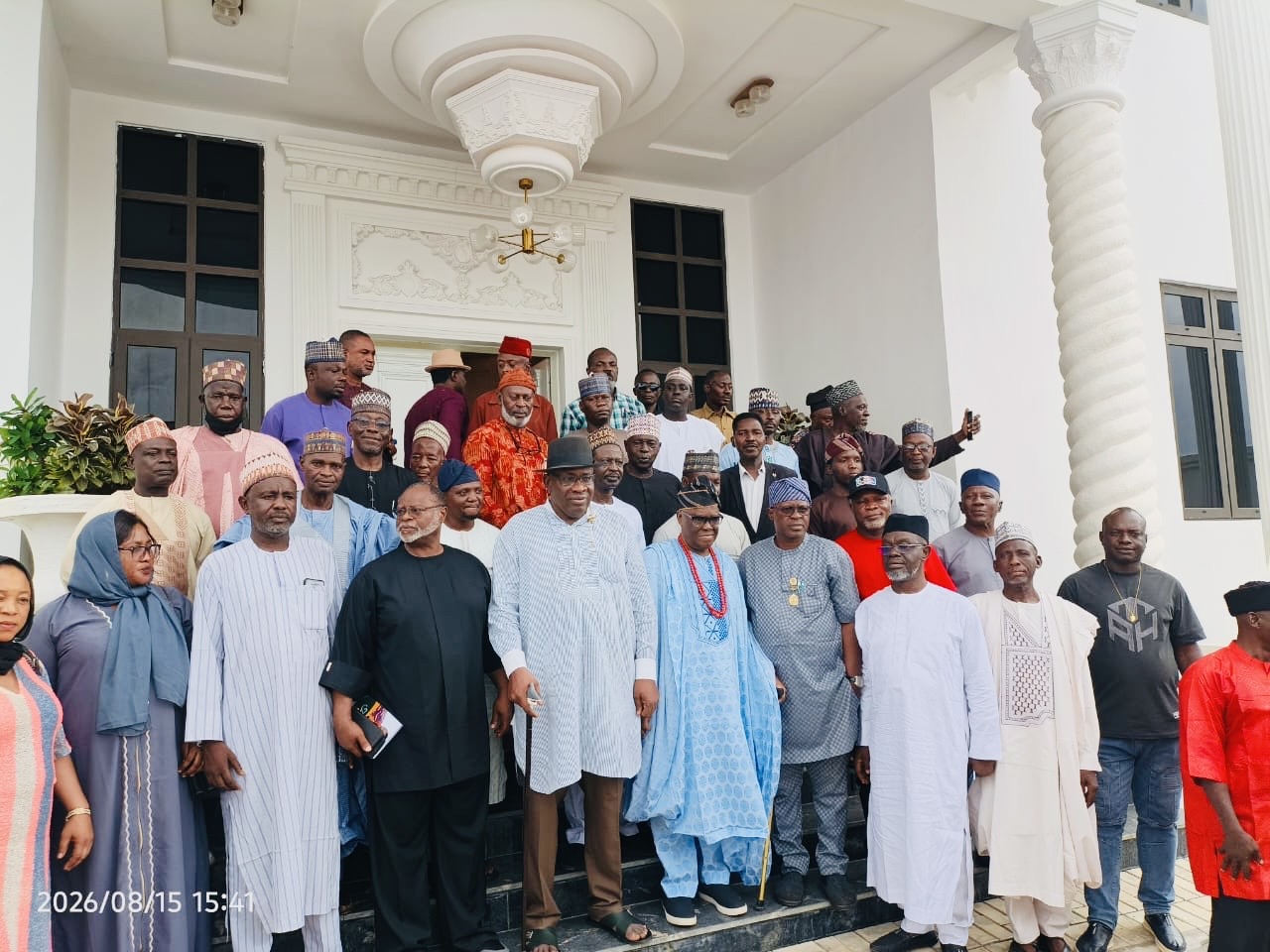
Dickson spoke in Abuja at a reunion of former leaders and members of the AD, where he reflected on the sacrifices, ideological commitment and grassroots mobilisation that characterised the political movement during Nigeria’s transition to democratic rule.
He said the AD represented a new type of political movement, bringing together Nigerians from different regions who were united by a commitment to democracy and the desire to build a political system anchored on ideas rather than financial inducement.
According to him, members of the party built its structures across the country largely through personal sacrifice, often funding political activities and supporting candidates from their own resources.
Dickson recalled that as the founding State Chairman of the AD in Bayelsa, he personally rented an office, established the party’s structures and assisted candidates who lacked the resources to contest elections.
He said some candidates could not afford nomination fees, forcing party members to make personal commitments to keep the political movement alive.
The former governor noted that the sacrifices and ideological commitment of members helped the AD achieve significant electoral victories, particularly across the six South-West states.
He said the experience demonstrated the strength of political organisation when driven by conviction, adding that the current monetisation of elections was far removed from the political environment in which his generation operated.
Dickson urged contemporary politicians to draw lessons from that era by placing public service and principles above personal interests.
He also reflected on his progression from founding State Chairman of the AD to becoming the party’s National Legal Adviser, describing the experience as a period of valuable political education and mentorship.
He said the party’s political philosophy was built around principles including true federalism, constitutional democracy, restructuring, equitable resource allocation and environmental justice.
“These are the things that brought us to AD,” Dickson said, stressing that the principles remained relevant to the country’s political development.
The former governor explained that his eventual departure from the AD was influenced by disagreements over issues affecting the Niger Delta, saying his political education had taught him to remain firm on issues of principle.
He said the party also taught its members how to organise, mobilise and manage people while maintaining their convictions even when doing so was politically inconvenient.
Dickson recalled that after leaving the AD, he chose to strengthen the ANPP rather than join the party in government, describing the decision as part of his commitment to independent political engagement.
He said the mentorship and experience he received from the AD generation had remained significant influences throughout his political career.
Dickson urged politicians to understand that their responsibility was not to automatically support whoever was in government, but to hold power accountable and defend the public interest.
“If we support what you do, we say we are supporting you. If we disagree with what you do as politicians, we speak against you. We organise against you. That is the calling of a politician,” he stated.
He criticised the practice of politicians moving automatically towards whichever party controls government, saying such conduct undermines the essence of political participation.
Dickson said the generation that founded and built the AD comprised leaders whose political decisions were driven largely by patriotism, values and commitment rather than money.
“We are lucky that we interacted with that generation, a distinguished generation of political leaders whose views were not influenced by money, who were after values, and who were patriotic,” he said.
He also paid tribute to deceased leaders and founding members of the AD, acknowledging their sacrifices and contributions to Nigeria’s democratic development.
Participants observed a minute’s silence in honour of the departed political leaders, while Dickson recognised Professor Udenta Udenta, the party’s founding National Secretary, and other former national and state officials who contributed to the movement.
Dickson said the reunion should mark the beginning of a broader effort to reconnect members of the political generation and preserve their experiences for younger Nigerians.
He maintained that the older generation still had an important role to play in strengthening Nigeria’s democracy, noting that while they might have lost some of the physical dynamism of their youth, they had gained wisdom and experience.
“The fire of youth and the magic of old age is still burning in our hearts. What we lack now in mobility and dynamism, we make up and compensate for in wisdom and experience,” Dickson said.
He called for renewed commitment to multi-party democracy, urging political actors to ensure that sacrifice, integrity, ideology and public service remain at the heart of Nigeria’s political development.