

A coalition of more than 80 Nigerian, African and international civil society and human rights organisations has called on the National Assembly to reject a series of proposed bills it says could erode constitutional rights, shrink civic space and undermine Nigeria’s democratic governance.
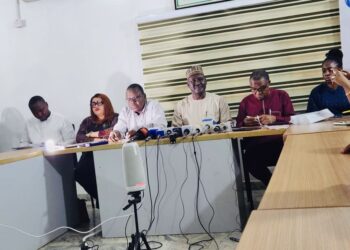
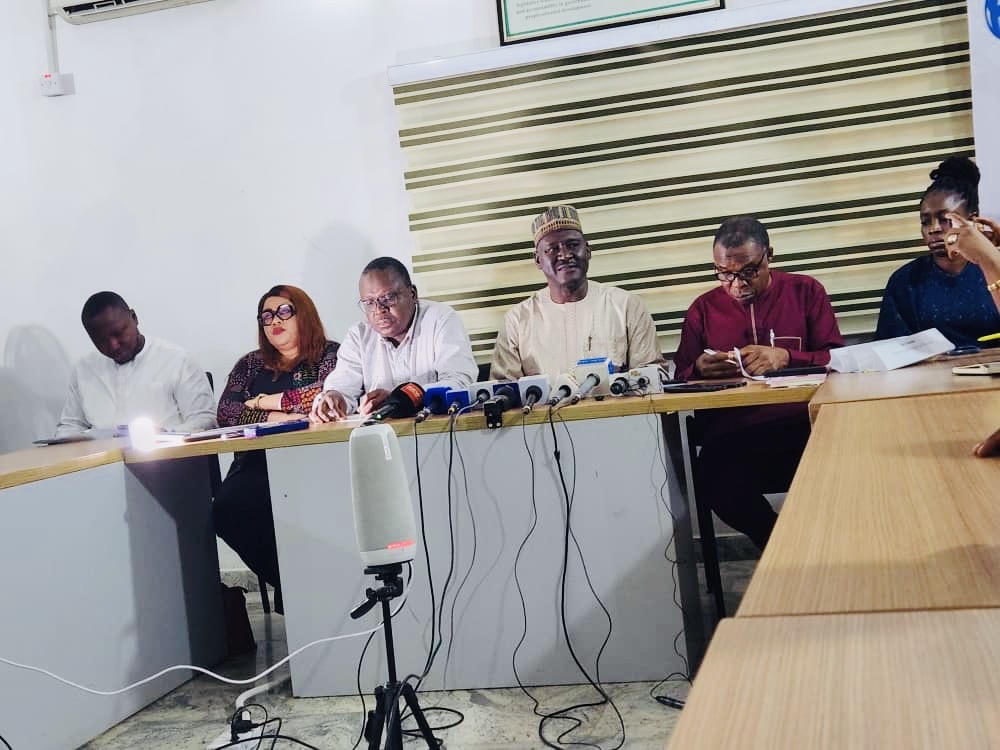
The position was presented during a joint press conference in Abuja themed “Defending Civic Space and Constitutional Freedoms: Civil Society’s Response to Emerging Repressive Bills Before the National Assembly.” The briefing focused on the implications of the proposed legislation for freedom of expression, freedom of association, peaceful assembly, media freedom and citizen participation in governance.
Speaking on behalf of the coalition, Executive Director of the Civil Society Legislative Advocacy Centre (CISLAC), Auwal Musa Rafsanjani, warned that the bills represent a growing legislative trend capable of expanding executive control over civic life while weakening democratic accountability.
According to him, the proposals are being considered at a time when Nigeria’s civic space is facing increasing pressure through restrictive laws, arbitrary arrests, judicial harassment, intimidation and prosecutions targeting journalists, human rights defenders, bloggers and civil society organisations.
Rafsanjani argued that if enacted, the bills would further undermine constitutionally guaranteed freedoms and create an environment that discourages independent advocacy, investigative journalism and public scrutiny ahead of the 2027 general elections.
Among the bills highlighted was the Foreign Aids (Regulation, Transparency and Disclosure) Bill, 2026 (SB.1034), which the coalition said would give government extensive powers to regulate, monitor, sanction and potentially suspend civil society organisations and other entities receiving foreign assistance.
Also addressing journalists, Dr. Daudu Garba criticised provisions establishing the proposed Foreign Aid Regulatory Commission (FARC), arguing that the commission would duplicate the responsibilities of existing agencies, including the Corporate Affairs Commission (CAC), the Economic and Financial Crimes Commission (EFCC) and the Special Control Unit against Money Laundering (SCUML).
He said mandatory registration requirements, broad disclosure obligations and compliance measures contained in the bill could expose civil society organisations to excessive government control and interfere with legitimate work in governance, anti-corruption advocacy, humanitarian intervention and public interest litigation.
Global Rights Country Manager Bunmi Aweda also expressed concern over provisions prescribing criminal and administrative sanctions, including fines, imprisonment, suspension and revocation of operational licences. He warned that the measures could discourage legitimate international partnerships and weaken the independence of civil society organisations.
The coalition further opposed proposed legislation requiring social media platforms to establish physical offices in Nigeria before operating in the country, arguing that the proposal could increase government leverage over digital platforms, facilitate censorship and restrict access to information.
According to the organisations, both legislative proposals are inconsistent with Sections 39 and 40 of the Constitution of the Federal Republic of Nigeria, which guarantee freedom of expression, peaceful assembly and association. They also argued that the bills conflict with Nigeria’s obligations under the African Charter on Human and Peoples’ Rights, the International Covenant on Civil and Political Rights and other international human rights instruments.
The coalition maintained that any restriction on fundamental rights must satisfy internationally recognised principles of legality, necessity and proportionality, insisting that the pending bills fall short of those standards.
It called on the Senate President, the Speaker of the House of Representatives and members of the National Assembly to immediately withdraw the Foreign Aids (Regulation, Transparency and Disclosure) Bill, the proposed social media regulation bill and other legislative proposals it considers capable of restricting civic freedoms.
The organisations also urged lawmakers to ensure that future legislation affecting civil society, media freedom, digital rights and public participation complies with constitutional provisions and international human rights obligations, while advocating broader stakeholder consultations before such bills are enacted.
They stressed that the National Assembly has an opportunity to strengthen constitutional governance by rejecting legislation that could shrink civic space and instead enact laws that promote transparency, accountability, public participation and democratic values.
Organisations That Endorsed the Joint Position
21st Century Community Empowerment for Youth Initiative; ActionAid Nigeria; Accountability Lab Nigeria; Abuja School of Social and Political Thought; Africa Network for Environment and Economic Justice (ANEEJ); African Centre for Leadership, Strategy & Development (Centre LSD); African Centre for Media & Information Literacy (AFRICMIL); African Law Foundation (AFRILAW); Alliance on Surviving COVID-19 and Beyond (AACAB); Alliances for Africa; Amnesty International Nigeria; Association for Public Health Education and Legal Research; Borno Coalition for Democracy and Progress (BOCODEP); BudgIT Foundation; Capacity Catalysts Consulting (TRILE C); Centre for Change; Centre for Social Justice; Center for Fiscal Transparency and Public Integrity; Centre for Democracy and Development (CDD); Centre for Democratic Research and Training (CRDDERT); Centre for Information Technology and Development (CITAD); Centre for Journalism Innovation and Development (CJID); Centre for Transparency Advocacy; Civil Rights Council (CRC); Civil Liberties Organisation Abuja; Civil Society Legislative Advocacy Centre (CISLAC); CLEEN Foundation; Conscience for Human Rights and Conflict Resolution (CHRCR); Corporate Accountability and Public Participation Africa (CAPPA); Connecting Gender for Development; Connected Development (CODE); Documentation in Nigeria; Emma Ezeazu Centre for Good Governance and Accountability; #FixPolitics; Follow The Money; Girl Child Concern (GCC); Global Rights; Good Governance Team; Health of Mother Earth Foundation (HOMEF); Human and Environmental Development Agenda (HEDA Resource Centre); Innocent Chukwuemeka Chukwuma Empowerment Foundation; Integrated Social Development Centre (ISODEC); International Press Centre (IPC); Isaac and Patience Olugbuo Foundation; Liberty Semper Fidelis LP (LSF); Koyenum Immalah Foundation; Media Rights Agenda; Mothers and Marginalized Advocacy Centre (MAMA Centre); Movement for the Transformation of Nigeria (MOTiON); Motherhen Development Foundation; National Association of Democratic Lawyers (NADL); Nigeria Network of NGOs (NNNGO); Organization for Community Civic Engagement (OCCEN); Partners West Africa Nigeria; Peering Advocacy and Advancement Center in Africa (PAACA); Procurement Observation and Advocacy Initiative (PRADIN); PRAWA International; Policy Alert; Project Alert on Violence Against Women; Public and Private Development Centre (PPDC); Public Interest Lawyers League (PILL); Resource Centre for Human Rights and Civic Education (CHRICED); Resource Justice Network (RJN) Nigeria; Rule of Law and Accountability Advocacy Centre (RULAAC); Say NO Campaign Nigeria; Social Development Integrated Centre (Social Action); Socio-Economic Rights and Accountability Project (SERAP); Socio-Economic Research and Development Centre (SERDEC); State of the Union (SOTU); Speak Out Africa Initiative (SOAI); Splendors of Dawn Poetry Foundation; Tax Justice and Governance Platform; Transition Monitoring Group (TMG); The Statecraft Reports (TSR); West Africa Democracy Solidarity Network (WADEMOS); WACSI NODE Nigeria; Women in Media Communication Initiative (WIM); Women Advocate Research and Documentation Centre (WARDC); Women in Extractives; Women in Nigeria; Wole Soyinka Centre for Investigative Journalism (WSCIJ); Yiaga Africa; Zero Corruption Coalition (ZCC).