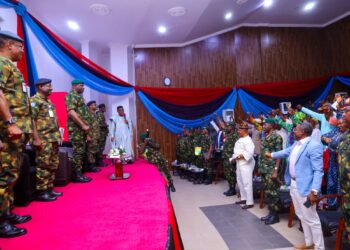


The Executive Chairman of the Economic and Financial Crimes Commission (EFCC), Ola Olukoyede, has charged public office holders to uphold accountability, transparency and due process in the discharge of their responsibilities, warning that corruption continues to undermine effective governance and national development.
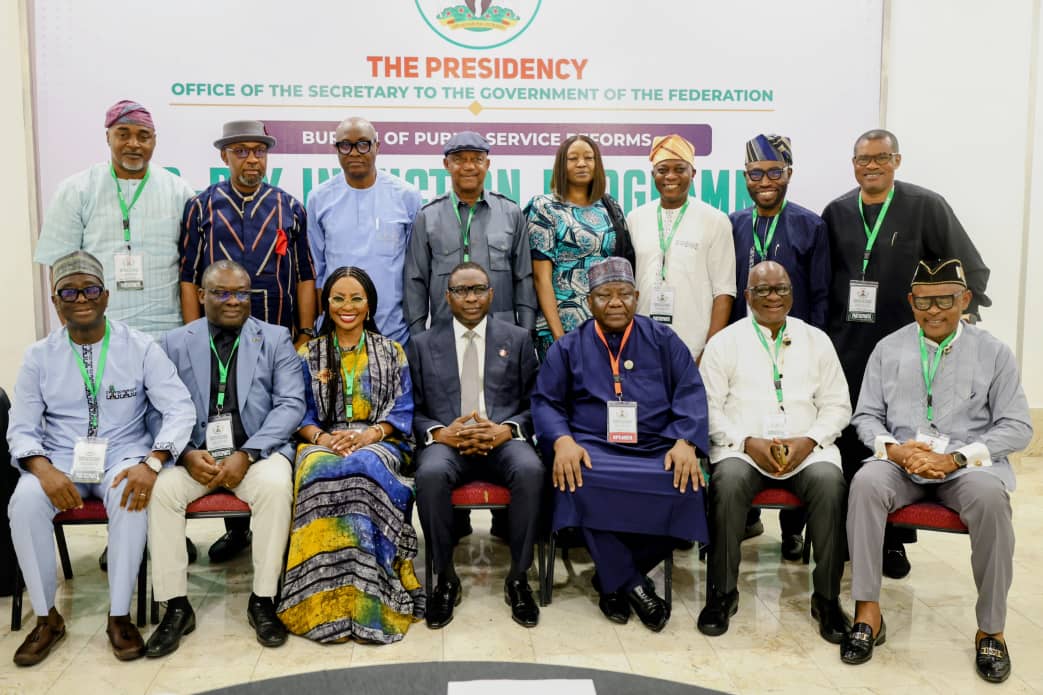
According to an official statement signed by Dele Oyewale, Head of Media and Publicity at the EFCC, Olukoyede gave the charge while delivering a lecture at a two-day induction programme organised by the Bureau of Public Service Reforms in Abuja for the Chief Executive Officer, Chairman and members of the Governing Board of the South-South Development Commission (SSDC).
Speaking on the theme, “The Role of the Economic and Financial Crimes Commission in Improving Accountability in the Public Service,” the EFCC Chairman said public officials must recognise that public office is a trust requiring the ethical, efficient and responsible management of government resources in the interest of citizens.
He noted that corruption continues to cost Nigeria billions of naira annually through the diversion and mismanagement of funds meant for infrastructure and essential public services, stressing that accountability remains critical to improving governance.
Olukoyede identified contract fraud as the most prevalent form of corruption in the public sector, explaining that it often involves contract splitting to evade approval limits, manipulation of procurement processes, the award of contracts to unqualified companies and payments for poorly executed or abandoned projects.
He also listed treasury looting, diversion of public funds, bribery, kickbacks, payroll and pension fraud, misappropriation of funds and duty tour allowance fraud among the common corrupt practices undermining public institutions.
The EFCC Chairman reminded the participants that the Commission was established in 2003 to combat corruption and economic and financial crimes through investigations, prosecutions, asset recovery and public enlightenment. He, however, acknowledged challenges confronting the anti-corruption campaign, including limited manpower and resources, inadequate public support, delays in prosecuting high-profile cases and persistent allegations of selective investigations.
Olukoyede urged the officials to familiarise themselves with the Financial Regulations, Public Service Rules and the Public Procurement Act, insisting that strict compliance with extant regulations would help them avoid corruption-related offences.
He also warned against engaging in businesses that conflict with public office, operating foreign bank accounts, seeking contracts from the institutions they serve either directly or through proxies, and conducting financial transactions outside recognised financial institutions.
The EFCC Chairman further advised the participants to maintain proper financial records and carefully scrutinise official documents before appending their signatures, describing integrity as an indispensable requirement for effective public service.